Rice Bowl: Ultimate Gochujang Chicken K-Bowl
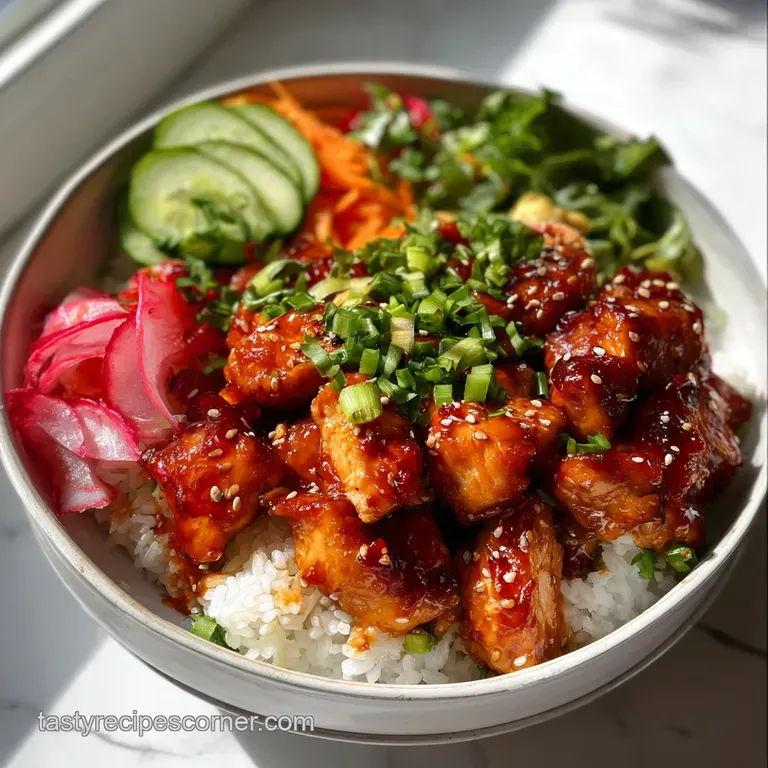
- The Ultimate Gochujang Glazed Chicken K-Bowl (Korean-Inspired Rice Bowl)
- Ingredients for Rice Bowl
- Instructions for Rice Bowl
- The Science of Umami: Why This Korean-Inspired Bowl Satisfies
- Troubleshooting Your K-Bowl: Expert Tips for Success
- Making It Ahead: Storage, Meal Prep, and Reheating Guide
- Perfect Pairings: What to Serve Alongside Your Hearty Bowl
- Recipe FAQs
- 📝 Recipe Card
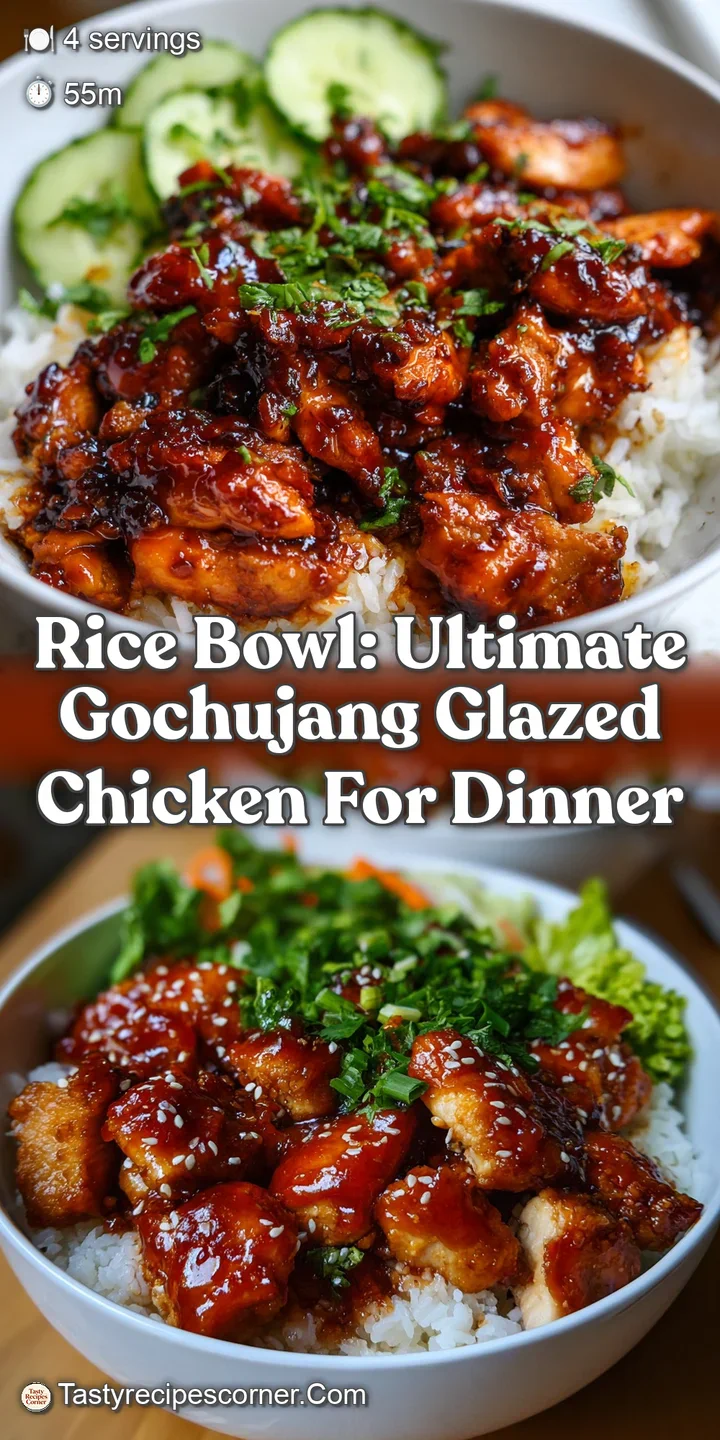
The Ultimate Gochujang Glazed Chicken K-Bowl (Korean Inspired Rice Bowl)
I’m going to be straight with you: if I could only eat one meal for the rest of my life, it might be this one. The aroma alone is intoxicating sticky, caramelized Gochujang glaze mingling with fresh ginger and the sharp scent of quick pickles.
When you finally dig your fork into this glorious mess, you get that satisfying thud of the fork hitting the bowl and the perfect combination of sweet, heat, and serious texture. This is truly the ultimate Rice Bowl .
Life is hectic, and sometimes you just need dinner to be fast, cheap, and deeply satisfying. This K-Bowl delivers on all fronts, transforming basic chicken thighs and pantry staples into a weeknight hero.
Plus, when you make a great Rice Bowl at home, you control the quality, the spice level, and the portions. Goodbye, sad takeout containers!
If you’re ready to master the delicate art of balance the balance between spicy heat, rich protein, and palate cleansing freshness then let’s crack on. I’ve refined this recipe over dozens of attempts, and I'm sharing every hard won trick so you can nail this perfect, balanced Rice Bowl on your first try.
What is a K-Bowl (and Why is it Better)?
A K-Bowl is essentially my take on a deconstructed Bibimbap or a hyper focused Korean style plate, all bundled up in one warm hug. It relies heavily on Gochujang , the fermented chili paste that forms the backbone of Korean cuisine. Unlike a simple stir fry over rice, this dish is strategically layered.
We're not just throwing ingredients in a bowl; we’re intentionally building contrasts. You have the hot, sticky, savory chicken against the cool, tangy crunch of the quick pickles, all anchored by a foundational base of perfectly fluffy rice. It's a seriously gourmet rice bowl experience.
The Magic of Gochujang: Flavor Profile Breakdown
Gochujang is mandatory here. If you skip it, you're making a totally different dish, probably a mediocre one. This paste is not just spicy heat; it’s deeply complex, savory, and slightly sweet due to the fermentation process.
It adds that beautiful ruby red color and an incredible depth of umami that plain chili flakes could never achieve. That fermentation is the secret weapon in building a proper, sweet and savory rice bowl.
Catering to Texture: The Essential Crunch Factor
A fantastic Rice Bowl is defined by its textures as much as its flavors. Think about it: soft rice, sticky chicken, and then… mushy vegetables? No way! That’s why the quick pickles are non-negotiable.
The cucumber and carrot marinated in rice vinegar provide a bright, acidic shock that cuts right through the fatty richness of the chicken and the yolk. You need that satisfying crunch with every bite, and those quick pickles deliver.
A Note on Rice Selection for the Perfect Base
When preparing a Korean inspired Rice Bowl , the type of rice matters immensely. We need a sticky, slightly chewy canvas that can stand up to the heavy glaze without becoming mushy or watery. That’s why short grain rice (sometimes labeled sushi or Calrose) is essential.
It holds its shape better and provides the necessary texture and stickiness required to scoop up the sticky sauce. Don’t even think about using long grain Basmati here; it’s too dry and lacks the necessary starch.
Ingredients for Rice Bowl
I love that this easy rice bowl recipe relies mostly on things I keep stocked in my pantry. Getting these proportions right is key to mastering the addictive flavor profile.
Sourcing Authentic Gochujang and Pantry Staples
Gochujang is readily available in the international aisle of most big grocery stores, usually in a bright red tub. Tip: Buy the largest tub you can find because once you start cooking with it, you'll burn through it quickly. For the rest of the glaze, use low-sodium soy sauce.
This gives you more control over the final saltiness, especially since you’re reducing the sauce into a glaze.
Alternative Cuts: Substituting Chicken Breast for Thighs
Listen, I am firmly in the "Chicken Thighs for Glazes" camp, 100% of the time. They are inherently fattier, stay tender during over high heat searing, and absorb the flavor of the Gochujang like a sponge.
However, if you absolutely must use chicken breast, make sure you dice it small (less than 1 inch) and reduce the cooking time significantly to prevent it from turning into dry, rubbery chunks.
The Quick Pickle: Necessary Ingredients for Maximum Tang
The base of your pickle brine is simple: rice vinegar, sugar, and salt. That’s it! The vinegar is crucial for balancing the sweetness in the sugar and the heat in the Gochujang. If you prefer a milder tang, warm the vinegar slightly before dissolving the sugar.
Optimal Rice Varieties: Short Grain vs. Medium Grain
As mentioned, short grain is my absolute favorite for this application because of its high starch content and chewiness. If you can't find specific sushi rice, a good medium grain rice (like Arborio, though less ideal) will work in a pinch.
Just remember, the final texture of your healthy rice bowl is dependent on this base, so stick as close to short grain as possible!
| If you don't have... | You can use... |
|---|---|
| Gochujang | Sriracha or Sambal Oelek (Note: This will be hotter and less fermented/sweet; add 1 tsp sugar to compensate.) |
| Short Grain Rice | Basmati or long grain rice (Adjust water ratios and note that the texture will be less sticky). |
| Honey/Maple Syrup | Brown sugar or Agave nectar. |
| Rice Vinegar | Apple Cider Vinegar (Adjust sweetness as ACV is stronger). |
Instructions for Rice Bowl
This is a multi step recipe, but everything is achievable within an hour if you multitask efficiently. Start your rice first, then your pickles, and finish with the chicken!
Phase I: Preparing the Chicken and Starting the Marinade
First, dice the chicken thighs into even, bite sized pieces. This ensures they cook uniformly and maximize the surface area for that incredible glaze. Next, mix up all the glaze ingredients: Gochujang, soy, honey, sesame oil, garlic, and ginger. Give it a good whisk until it looks like a thick, ruby red paste.
Dump the chicken in and let it soak up that flavor even 15 minutes is enough for this powerful marinade.
Phase II: The 15 Minute Quick Pickle Process
While the chicken is marinating, handle the veggies. Slice your cucumber and carrot into thin, elegant matchsticks. Next, whisk together the pickling liquid in a medium bowl until the sugar disappears. Pour this over the vegetables, toss them gently, and then leave them alone.
That little rest time is when the magic happens, turning crunchy veggies into bright, tangy pickles that make this easy rice bowl recipe pop.
Phase III: Perfecting the Sticky Gochujang Glaze
This step is the most critical for your final Rice Bowl texture. Get your pan ripping hot with neutral oil. Add the marinated chicken, leaving any excess glaze still in the bowl aside for now. You want to hear that satisfying sizzle when the chicken hits the oil.
Cook it hard and fast until the chicken is browned and almost fully cooked.
Chef's Note: Do NOT add the reserved glaze yet! If you add the sauce now, the high sugar content will burn before the chicken cooks, resulting in bitter, black char, not delicious sticky caramelization.
Once the chicken is cooked through, reduce the heat to medium low and pour in that reserved marinade. Stir constantly and quickly for about 30 seconds. The sugars and starches in the sauce will tighten up almost instantly, forming a thick, sticky glaze that clings beautifully to the chicken.
Remove the pan from the heat immediately.
Phase IV: Assembling and Garnishing the Korean Rice Bowl
With the rice fluffed, the chicken glazed, and the pickles drained, it’s time to build the masterpiece. Place a generous mound of hot rice in each bowl. Arrange the chicken and drained pickles neatly around the perimeter.
Don't forget the egg! A runny fried egg is the final, essential sauce element for this particular Rice Bowl . Place the egg right in the middle, giving it a little sprinkle of salt. Finish with a generous scatter of toasted sesame seeds and bright green spring onions.
This is rice bowl inspiration at its finest.
The Science of Umami: Why This Korean Inspired Bowl Satisfies
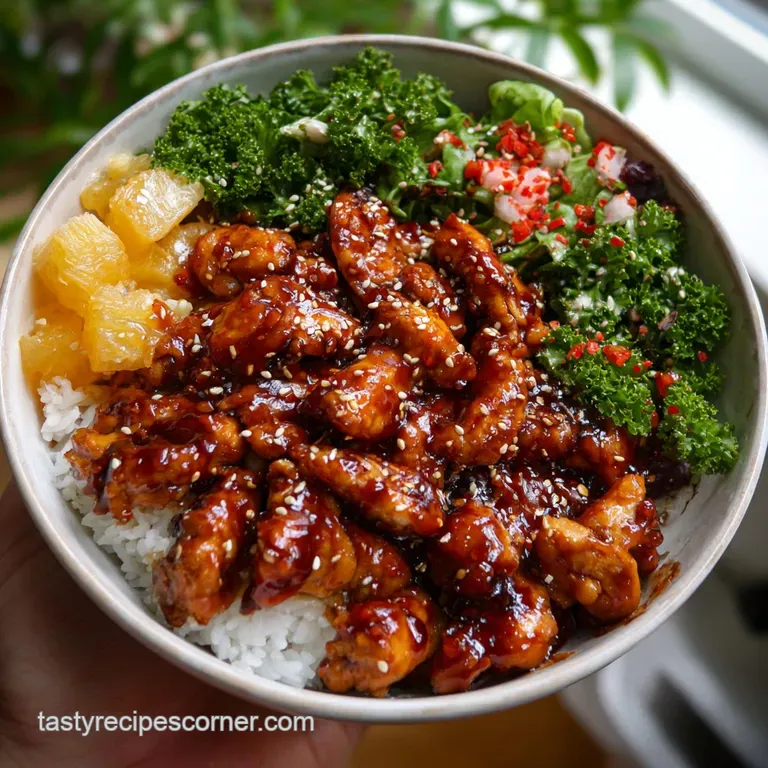
Umami is often called the fifth taste, and this dish is packed with it. Gochujang, fermented soy, and the rich meat of the chicken thighs all contribute deep, savory notes. When you combine those savory elements with the sharp acidity of the pickles and the richness of a fried egg yolk, you create an incredibly complex, satisfying flavor profile. The result is a profoundly layered sweet and savory rice bowl that hits every single point on your palate. If you love deep, complex flavors, you might also enjoy my recipe for Black Beans and Rice: The Flavourful Cuban Congrí Recipe which utilizes a similar layering technique.
Troubleshooting Your K-Bowl: Expert Tips for Success
The Role of Marinade Acidity in Tenderizing Chicken Thighs
While chicken thighs are naturally tender, the small amount of acidity in the soy sauce helps break down the muscle fibers slightly, making them even more succulent. The marinade here is really a two-in-one: flavor boost and tenderizer. Don’t cut the marinating time too short!
Achieving the Ideal Glaze Consistency: Balancing Sweetness and Heat
If your glaze looks watery even after adding the reserved sauce, don't panic. Simply continue to stir quickly over low heat for another minute. If it gets too thick, however (which happens easily if your heat is too high), you can loosen it with a tiny splash of water or soy sauce until it looks sticky but still pourable.
Flavor Layering: How Pickles Cut Through Richness
The vinegar in the pickles acts like a reset button for your mouth. Every bite of sweet, sticky chicken is followed by a sharp, clean taste of the carrot and cucumber, preparing you for the next savory hit. This is fundamental flavor layering that prevents the whole rice bowl meal from tasting heavy or monolithic.
Avoiding the Burn: Managing Heat When Glazing Chicken
As I warned earlier, sugar burns quickly. Keep your heat at medium high during the initial sear, but drop it to medium low the second you add the reserved glaze. This allows the sauce to thicken into that gorgeous sticky coating without scorching the sugars.
The Secret to Fluffy, Non-Sticky Rice
Rinsing the rice is truly the most crucial part. You must wash away the surface starch until the water runs clear. If you skip this, your rice will cook up gluey and heavy, dragging down the entire Rice Bowl . After cooking, let it rest, covered, for 10 minutes off the heat. That steam finishes the cooking process and guarantees separated, fluffy grains. I swear by this method, whether I'm making this K-Bowl or my infamous Crispy Rice: Get Golden, Restaurant Quality Squares at Home squares.
Mistake Alert: Not Resting the Cooked Glazed Chicken
I know you want to eat this immediately, but when you pull the hot, glazed chicken off the pan, let it rest for two minutes while you fry your eggs. This allows the meat to reabsorb some of the juices, keeping it impossibly moist, and helps the glaze set to that perfect sticky texture.
This minor pause is essential for maximizing the flavor of this amazing Rice Bowl .
Making It Ahead: Storage, Meal Prep, and Reheating Guide
This recipe is fantastic for meal prep, making it a truly practical healthy rice bowl option.
- Storage (Fridge): You can store the cooked chicken, rice, and pickles separately in airtight containers for up to 4 days.
- Freezing: I don't recommend freezing the assembled Rice Bowl or the pickles (they get soggy). The cooked, glazed chicken, however, freezes well for up to 2 months. Thaw overnight in the fridge.
- Reheating: Reheat the chicken gently in a skillet over medium low heat to maintain the sticky glaze, or microwave it in 30 second bursts. Always reheat the rice separately with a splash of water, covered, to keep it moist. Fry the egg fresh right before serving it’s non-negotiable for the proper assembly.
Perfect Pairings: What to Serve Alongside Your Hearty Bowl
Frankly, this Rice Bowl is a complete meal on its own, especially with the pickles and the protein. But sometimes you want something extra.
A simple side of lightly blanched, salted spinach (Sigeumchi Namul, a classic Korean side) offers a nice vegetal contrast. If you're looking for other hearty bowl inspiration, try something totally different like my Burger Bowl Recipe: The Healthy Deconstructed Cheeseburger Done Right for a protein change-up. Whatever you choose, make sure to wash it down with a crisp, cold beverage to balance the heat.
If you’re hunting for truly reliable, repeatable rice bowl recipes, this K-Bowl should be at the top of your list. It’s sweet, savory, spicy, and perfectly crunchy. Seriously, make this. You won’t regret it.
Recipe FAQs
Can I make this K-Bowl vegetarian or vegan?
Absolutely. Substitute the chicken with firm tofu or tempeh, pressing it first to remove excess moisture, then glazing it exactly as instructed. Ensure your chosen brand of Gochujang is vegan, as some traditional varieties contain trace amounts of fish or meat products.
How do I prevent my short grain rice from becoming sticky or mushy?
Rinsing the rice thoroughly until the water runs perfectly clear is critical to remove excess surface starch. Use the correct water-to-rice ratio (usually 1:1.25 for short grain) and ensure you let the rice steam, undisturbed and lidded, for 10 15 minutes after cooking is complete before fluffing.
The Gochujang glaze is too spicy. How can I adjust the heat level?
To reduce the heat while maintaining flavor, decrease the amount of Gochujang and proportionally increase the honey or brown sugar used in the recipe. Alternatively, replace half the chili paste volume with tomato paste or a mild Miso paste for savory depth without the intense heat.
What is the best way to store leftover K-Bowl components?
Store the protein (glazed chicken) and the cooked rice separately from the wet components, like the quick pickles and the runny egg, in airtight containers in the refrigerator. The chicken and rice maintain quality for up to 3 days; reheating is best done gently on the stovetop or oven to prevent drying out.
My Gochujang glaze keeps running off the chicken. What am I doing wrong?
The chicken must be cooked and seared before the glaze is applied, ensuring a crusted surface for the sauce to adhere to. Add the glaze only during the last 3 5 minutes of cooking; the high heat allows the sugars in the glaze to quickly caramelize, thickening it and binding it beautifully to the meat.
Can I use a different cut of protein, like chicken breast, instead of thighs?
Yes, you can substitute breast meat, though it is leaner and may dry out more easily than the richer thighs. Cut the breast meat into uniform, bite sized pieces and reduce the cooking time by 2 3 minutes to ensure the meat remains juicy after the glaze is applied.
How far in advance can I make the quick pickled vegetables?
The quick pickles are ready to eat after marinating for just 30 minutes, but they can be stored successfully in the pickling liquid in the refrigerator for up to 5 days. For the optimal crunchy texture that balances the softness of the rice, aim to use them within the first 2 3 days.
Gochujang Chicken K Bowl Recipe
Ingredients:
Instructions:
Nutrition Facts:
| Calories | 701 kcal |
|---|---|
| Protein | 20.6 g |
| Fat | 22.6 g |
| Carbs | 103.8 g |
