Giant Sticky Bun Recipe
- Time: Active 30 minutes, Passive 1 hours 55 mins, Total 2 hours 25 mins
- Flavor/Texture Hook: Silky, pillowy dough encased in a shatter crisp pecan caramel shell.
- Perfect for: Sunrise celebrations, weekend brunch, or impressing neighbors without needing a stand mixer.
- Rise and Shine with this Giant Sticky Bun
- The Science of the Sticky Rise
- Essential Metrics for Sweet Success
- Curating Your Morning Pantry Essentials
- Essential Tools for Minimalist Bakers
- Crafting the Ultimate Cinnamon Spiral
- Solving Common Baking Stumbling Blocks
- Scaling Your Morning Bake
- Personalizing Your Morning Pastry Experience
- The Physics of the Sticky Rise
- Maximizing Freshness and Flavor Longevity
- Perfect Pairings for Early Risers
- Myths Regarding Sweet Rolls
- Recipe FAQs
- 📝 Recipe Card
Rise and Shine with this Giant Sticky Bun
The first thing you notice isn't the sight, it's the sound. It’s that heavy, satisfying thwack of a 9 inch cake pan being inverted onto a wooden board, followed by a three second silence.
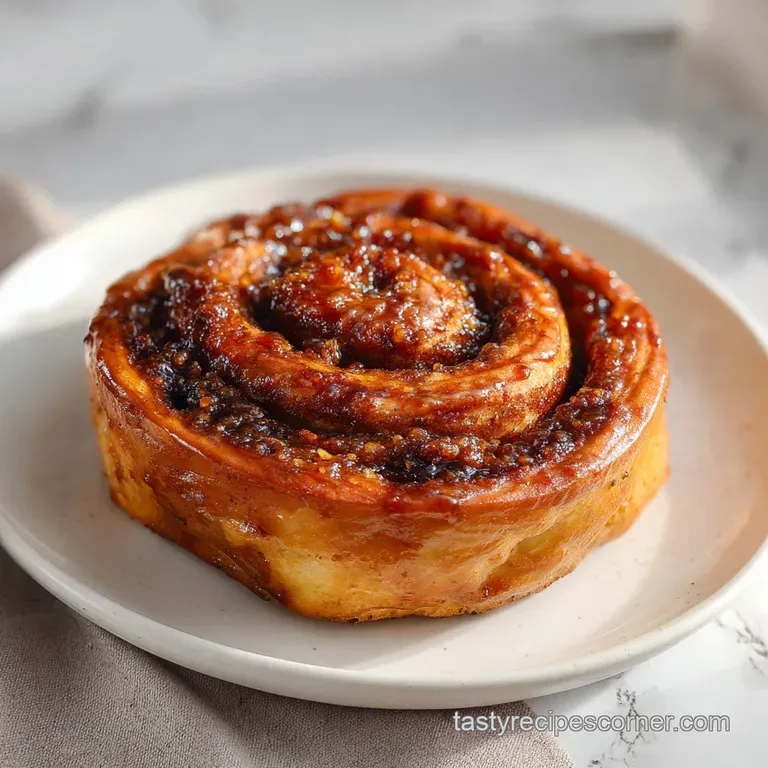
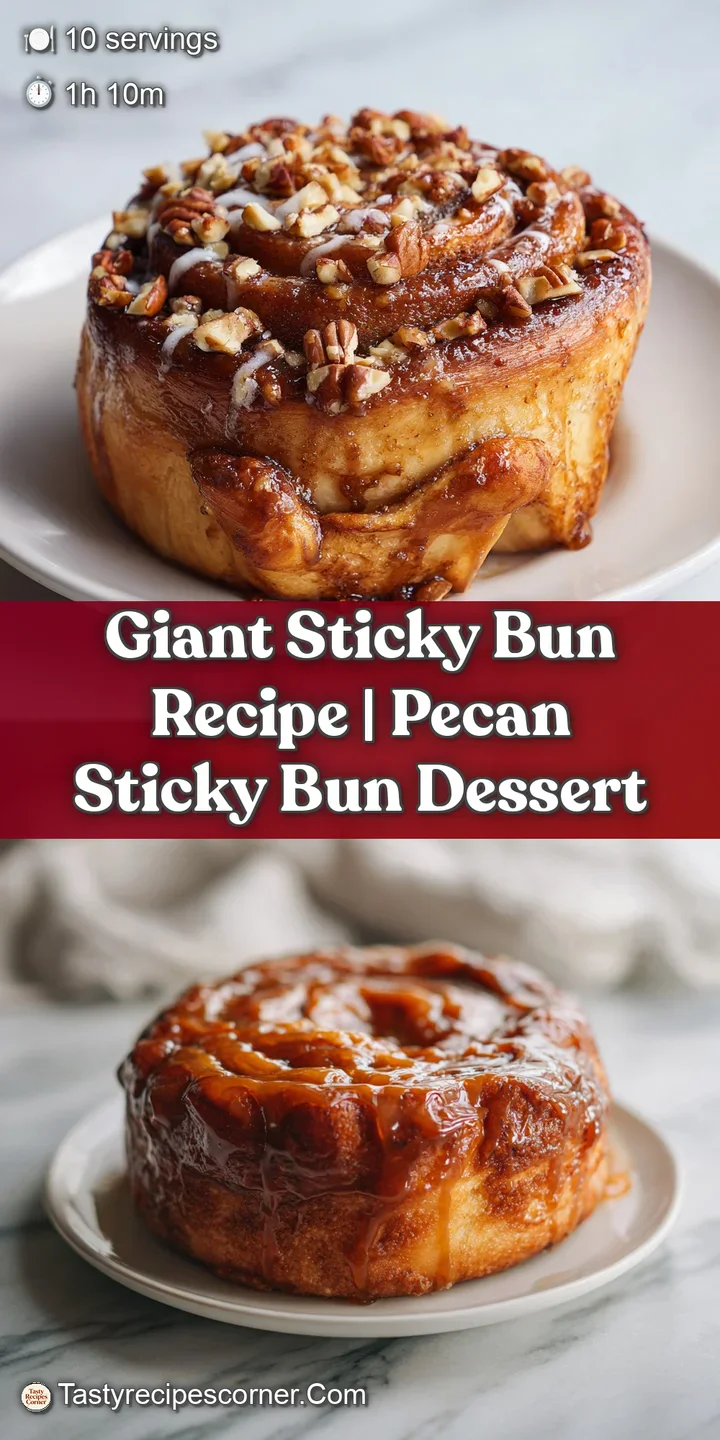
Then, the slow, sticky schloop as the Giant Sticky Bun releases its grip, and a waterfall of molten, amber caramel cascading over the edges. If you've ever had a dry, bready roll that required a gallon of coffee to swallow, forget it. This is the sunrise hero you've been waiting for.
I remember the first time I tried a giant version of this. I was staying at a little bed and breakfast where the kitchen was smaller than my closet. I thought, there's no way they’re making artisan pastry in there. But the cook just used a bowl, a wooden spoon, and a lot of heart.
She taught me that you don't need a fancy stand mixer to get that "shreddable" dough texture. You just need to respect the yeast and let the caramel do the heavy lifting.
This isn't just a cinnamon roll on steroids. It's a calculated effort to maximize the surface area of the glaze. When you bake one massive spiral instead of twelve individual ones, the center stays impossibly soft while the outer edges develop a toasted, almost candy like crunch.
We’re going to use simple, everyday tools to create something that looks like it came from a high end bakery. Right then, let's get into how we make this magic happen before the coffee even finishes brewing.
The Science of the Sticky Rise
Maximizing Thermal Mass for Tenderness
Retained Heat: Baking as one large mass slows down moisture evaporation, keeping the internal crumb velvety and preventing the "crusty" side walls found in individual rolls.
Controlling Sucrose Inversion in the Glaze
Sugar Stability: Adding honey or corn syrup to the brown sugar glaze prevents recrystallization, ensuring the topping remains a fluid, glossy liquid rather than turning into grainy sand.
Optimizing Gluten Development via Autolyse
Protein Hydration: Giving the flour and warm milk a few minutes to sit before heavy kneading allows the bread flour proteins to hydrate fully, making the dough easier to stretch into a long, thin sheet.
| Prep Style | Time Commitment | Texture Result | Best For |
|---|---|---|---|
| Fresh Dough | 2 hours 25 mins | Airy, pillowy, and ultra shreddable | Slow weekend mornings |
| Overnight Rise | 12 hours (passive) | Deep, yeasty, sourdough like complexity | Early sunrise breakfast |
| Shortcut Dough | 45 minutes | Denser, more cake like crumb | Speedy weekday cravings |
The difference between a "good" bun and an unforgettable one usually comes down to the dough's hydration. A wetter dough is harder to handle, but it’s the secret to that cloud like interior. If you find the dough sticking to your hands, don't just dump in more flour. Use a little bit of oil on your palms instead.
This keeps the moisture ratio intact while giving you the control you need to roll that perfect spiral.
Essential Metrics for Sweet Success
Component Analysis
| Ingredient | Science Role | Pro Secret |
|---|---|---|
| Bread Flour | High protein (12-14%) creates the structural "net" for a massive rise. | Weigh it. Volume measurements vary by 20% based on how packed the flour is. |
| Instant Yeast | Produces CO2 bubbles that expand the dough's cellular structure. | Skip the "blooming" step if your yeast is fresh; it activates instantly with warm milk. |
| Heavy Cream | Fat molecules coat the sugar, creating a velvety, pourable caramel. | Use room temp cream to prevent the melted butter in the glaze from seizing. |
To get the most out of your morning, we need to talk about the flour. While all purpose works in a pinch, bread flour is the MVP here. The extra protein ensures that even as the bun grows into a giant, it won't collapse under the weight of that heavy pecan glaze.
Chef's Tip: Grate your butter for the filling while it's frozen. It sounds weird, but it allows for an incredibly even distribution of fat without the mess of trying to spread "softened" butter that might tear your delicate dough.
Curating Your Morning Pantry Essentials
Everything here is likely already in your cupboard. We’re keeping it simple because nobody wants a complicated grocery run at 7 AM.
- 240ml whole milk: Warm it to 110°F. Why this? Temperatures above 120°F will kill your yeast; 110°F is the "sweet spot" for activation.
- 7g instant yeast: One standard packet. Why this? It works faster than active dry, perfect for a speedy morning solution.
- 50g granulated sugar: Feeds the yeast and tenderizes the crumb.
- 75g unsalted butter: Melted and cooled for the dough.
- 1 large egg: Room temperature to keep the dough warm.
- 475g bread flour: Provides the strength for the giant spiral.
- 6g fine sea salt: To balance the intense sweetness of the glaze.
- 115g unsalted butter: For the caramel glaze.
- 150g light brown sugar: Packed for deep molasses flavor.
- 30ml honey or light corn syrup: Prevents the glaze from getting grainy.
- 30ml heavy cream: Adds a silky, professional finish to the caramel.
- 1g fine sea salt: A pinch to make the caramel pop.
- 150g pecans: Roughly chopped for that essential crunch.
- 60g unsalted butter: Very soft, for the internal filling.
- 100g brown sugar: For the cinnamon swirl.
- 12g ground cinnamon: Use the freshest you have for maximum aroma.
| Original Ingredient | Substitute | Why It Works |
|---|---|---|
| Bread Flour | All Purpose Flour | Will be softer and less chewy, but still functional. Note: Reduce milk by 15ml. |
| Pecans | Walnuts or Almonds | Provides the same crunch with a slightly more bitter (walnut) or sweet (almond) profile. |
| Honey | Maple Syrup | Same liquid sugar role. Note: Adds a distinct autumn flavor profile to the bun. |
If you’re looking to experiment with the flavors, you might consider how this pairs with other treats. For example, the warm spices here are quite similar to the profile in a Sticky Toffee Pudding recipe, which uses dates for sweetness instead of just brown sugar.
Essential Tools for Minimalist Bakers
You don't need a kitchen full of gadgets to pull this off. In fact, a "minimal tools" approach often leads to better results because you're more "in tune" with the dough.
- Large Mixing Bowl: Plenty of room for the dough to double in size.
- 9 inch Round Cake Pan: A springform pan also works, but a solid pan prevents glaze leakage.
- Rolling Pin: If you don't have one, a clean wine bottle works perfectly.
- Small Saucepan: To melt the glaze ingredients into a cohesive caramel.
- Dental Floss (Unscented): The "secret weapon" for cutting the dough without squishing the air out.
- Digital Scale: Essential for baking by weight, which is the only way to ensure consistency.
Crafting the Ultimate Cinnamon Spiral
1. Activating the Yeast and Mixing
Whisk the 240ml warm milk (110°F), 7g yeast, and 50g granulated sugar in your large bowl. Let it sit for 5 minutes until a frothy foam appears on the surface. Stir in the 75g melted butter and the egg.
Add the 475g bread flour and 6g salt, mixing with a wooden spoon until a shaggy dough forms. Note: If the dough seems too dry, add milk one tablespoon at a time.
2. Kneading and First Rise
Turn the dough onto a lightly floured surface. Knead for 8 minutes until the dough is smooth, elastic, and bounces back when poked. Place in a greased bowl, cover with a damp cloth, and let rise in a warm, sunny spot for 1 hours until it has doubled in size.
3. Preparing the Caramel Floor
While the dough rises, combine 115g butter, 150g light brown sugar, 30ml honey, 30ml heavy cream, and a pinch of salt in a small saucepan over medium heat. Stir until the sugar dissolves and the mixture begins to simmer.
Pour this liquid gold into the bottom of your 9 inch pan and sprinkle the 150g chopped pecans evenly over it.
4. Rolling the Dough
Punch down the risen dough to release the gas. Roll it out into a large rectangle, roughly 12x18 inches. Spread the 60g of very soft butter over the surface, leaving a half inch border. Mix the 100g brown sugar and 12g cinnamon, then sprinkle it evenly over the butter.
5. Constructing the Giant Spiral
Cut the dough into 4 long strips (about 3 inches wide) using a pizza cutter or sharp knife. Roll the first strip into a tight coil and place it in the center of your prepared pan. Wrap the second strip around the first, starting where the last one ended.
Repeat with the remaining strips until you have one massive, continuous spiral filling the pan.
6. The Final Proof
Cover the pan loosely with plastic wrap. Let it rise for another 45 minutes until the dough looks puffy and fills the gaps between the coils. This second rise is crucial for a light, airy texture.
7. Achieving the Golden Bake
Preheat your oven to 350°F (180°C). Bake the bun for 35 to 40 minutes until the top is deeply bronzed and the caramel is bubbling up the sides.
Note: If the top browns too quickly, tent it loosely with aluminum foil for the last 10 minutes.
8. Executing the Flip
This is the moment of truth. Let the pan rest for exactly 5 minutes no more, no less. Place a large serving plate over the pan. Using oven mitts, firmly grip both and flip them over in one swift motion. Let it sit for 30 seconds to allow the caramel to rain down, then gently lift the pan away.
Solving Common Baking Stumbling Blocks
Why Your Giant Sticky Bun Is Doughy
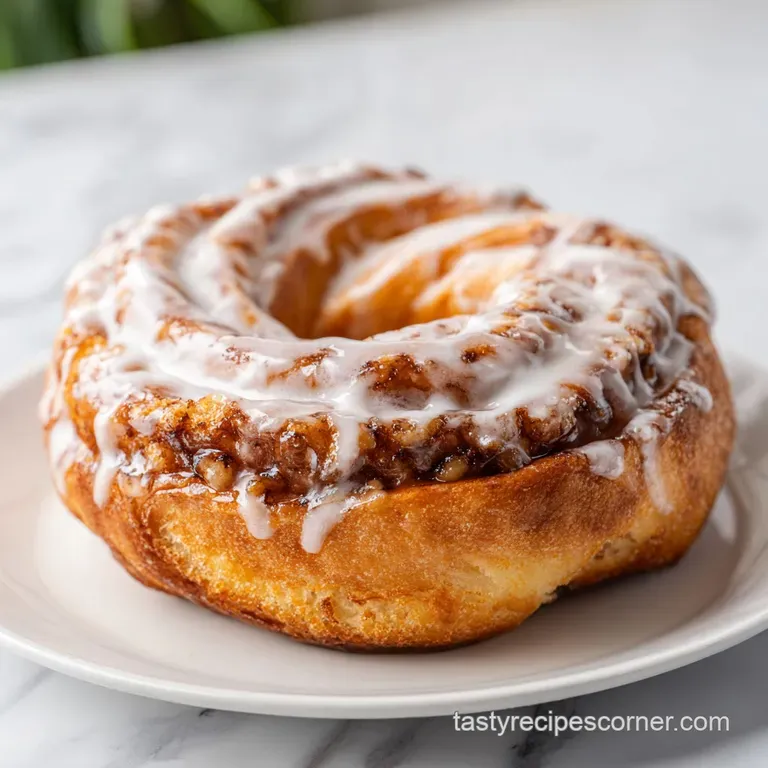
If the center of your bun feels gummy or raw while the outside is dark, it’s usually a temperature issue. Because this is one large mass, the heat takes longer to reach the core.
Use a digital thermometer; the center should read 190°F to 200°F (88°C to 93°C).
Stopping the Caramel Leak
If you're using a springform pan, you might find caramel dripping onto the bottom of your oven. This creates smoke and a mess. Always wrap the bottom of a springform pan in two layers of heavy duty foil, or simply use a solid cake pan to keep all that sugary goodness where it belongs.
Managing a Slow Rise
Is your kitchen cold? Yeast is a living organism and loves warmth. If your dough isn't moving, turn on your oven for 60 seconds, turn it off, and place the bowl inside. The residual heat will wake up the yeast and get things moving.
| Problem | Root Cause | Solution |
|---|---|---|
| Dry/Tough Crumb | Too much flour added during kneading. | Measure flour by weight. Use oil on hands instead of flour to prevent sticking. |
| Glaze is Hard/Brittle | Caramel was boiled for too long. | Only heat until sugar dissolves; don't let it reach "hard ball" candy stage. |
| Rolls Unraveling | Not enough tension when rolling strips. | Roll tightly and pinch the ends of the strips together as you connect them. |
Common Mistakes Checklist: ✓ Never use cold eggs or milk; it shocks the yeast and slows the rise. ✓ Don't skip the "rest" period before flipping, or the caramel won't set enough to cling. ✓ Avoid over flouring your work surface; the dough needs a little "grip" to roll properly.
✓ Ensure your cinnamon is fresh; old spices lose their volatile oils and taste like dust. ✓ Check the expiration date on your yeast; if it doesn't foam in step 1, throw it out and start over.
Scaling Your Morning Bake
Downsizing (Making a "Mini Giant") To make a smaller version for two people, cut the recipe in half. Use a 6 inch pan and reduce the baking time to 25 to 30 minutes. When halving the egg, whisk it in a small cup and use exactly 25g of the liquid.
Feeding a Crowd (Double Batch) If you're doubling the recipe, do not try to make one "Mega Giant." It won't cook through the center. Instead, make two separate 9 inch buns. When scaling the spices and salt, only increase them by 1.5x to avoid an overpowering flavor.
You'll need to work in batches or use two oven racks, swapping the pans halfway through for an even bake.
The "Morning Kick" (Mocha Variation) If you want to add a caffeine boost, add 2 teaspoons of instant espresso powder to the cinnamon sugar filling. It deepens the chocolatey notes of the brown sugar and pairs perfectly with a dark roast coffee. For more chocolate inspiration, you might enjoy the techniques used in a Chocolate Chunk Cookies recipe, which also relies on browned butter for depth.
Personalizing Your Morning Pastry Experience
The Maple Walnut Twist
Swap the pecans for walnuts and replace the honey in the glaze with 100% pure maple syrup. This creates a woodsy, autumnal flavor that is incredible on a crisp October morning.
dairy-free Substitution
You can make a surprisingly good dairy-free version. Use a high fat oat milk and a vegan butter stick (like Miyoko's). For the heavy cream in the glaze, use full fat canned coconut milk. Note: This will add a subtle tropical note to the caramel, which actually pairs beautifully with the pecans.
Precision Checkpoints
- Dough Temp: Ensure your milk is between 105°F and 115°F before adding yeast.
- Internal Doneness: The center of the bun must reach 190°F (88°C) to be fully set.
- The Flip Window: Wait exactly 5 minutes after pulling it from the oven to invert it.
The Physics of the Sticky Rise
Sealing in Moisture
The massive size of this bun acts as its own insulator. While individual rolls lose moisture from all sides, this giant spiral only loses moisture from the top, resulting in a significantly softer interior that stays fresh for much longer.
Maillard Reaction vs. Caramelization
The bottom of the pan experiences pure caramelization (sugar breaking down), while the top of the dough undergoes the Maillard reaction (proteins and sugars browning together). This gives you two distinct types of "sweet" in one bite.
Maximizing Freshness and Flavor Longevity
Storage Guidelines This Giant Sticky Bun is best served warm, about 15 minutes after flipping. However, if you have leftovers, keep them in an airtight container at room temperature for up to 2 days.
Do not refrigerate, as the cold air will recrystallize the starches in the bread, making it feel stale faster.
Freezing Instructions You can freeze the baked bun (without the glaze) for up to 2 months. To freeze with the glaze, wrap it tightly in plastic wrap and then foil.
To reheat, let it thaw at room temperature, then pop it into a 300°F (150°C) oven for 10 minutes to revive the caramel.
Zero Waste Tips If you end up with a few dry pieces at the end of the week, don't toss them! Those cinnamon caramel chunks make the world’s best French toast or bread pudding. Simply cube the leftovers, soak them in a basic custard of egg and milk, and bake until bubbly.
The pecans and caramel are already there, so you don't even need extra sugar.
Perfect Pairings for Early Risers
To cut through the richness of the caramel and butter, I always serve this with something bright. A bowl of tart berries or a grapefruit segments works wonders. If you're hosting a full brunch, these buns are the "sweet" to a "savory" main dish like a vegetable frittata or thick cut bacon.
If you're looking for another showstopper for your table, consider a Yule Log Cake recipe during the holidays. It offers a similarly impressive "spiral" presentation but with a lighter, cocoa focused profile.
Decision Shortcut: If you want maximum crunch, toast the pecans in a dry pan for 3 minutes before adding them to the glaze. If you want a shreddable texture, do not skip the 8 minute knead; that gluten needs time to develop.
If you want a cleaner look, use a piece of unscented dental floss to slice your dough strips rather than a knife.
Myths Regarding Sweet Rolls
Searing the Bottom
Many people think you need to "sear" the caramel on the stovetop first. This is unnecessary and often leads to burnt, bitter sugar. The oven temperature of 350°F is more than enough to create a perfect caramel floor while the dough bakes.
Double Acting Yeast
There is a myth that you can't use "Instant" yeast for long rises. In reality, instant yeast is just a smaller grain of active dry yeast. It works perfectly for overnight rises in the fridge; it just gets to work a little faster initially.
The "Milk Wash" Secret
Some suggest brushing the top of the bun with milk before baking for shine. In this recipe, the steam trapped under the pan's surface during the bake creates its own "wash," and the flip eventually covers everything in glaze anyway, so save yourself the extra step!
Recipe FAQs
Can I substitute all-purpose flour for the bread flour specified?
Yes, but reduce liquid slightly. All-purpose flour has lower protein, resulting in a softer, less chewy bun structure. Be sure to reduce the milk by about 15ml to maintain dough handling.
How to prevent the caramel glaze from turning grainy after it cools?
Add a stabilizer like honey or corn syrup. These ingredients interfere with sugar crystal formation, keeping the glaze fluid and glossy. Mastering stable emulsions like this helps immensely in recipes like the Irresistible Orange Glazed recipe.
How to check if the giant bun is fully baked through the center?
Use an instant read thermometer to verify 190°F (88°C). Since this is one large mass, relying solely on visual cues can lead to a doughy center. This temperature confirms the starches are set.
Is it true that I need a stand mixer to develop sufficient gluten for this massive dough?
No, hand kneading for 8 minutes is sufficient. While a mixer saves time, achieving the required gluten structure is primarily about timing and technique, not equipment power. If you enjoyed mastering the technique here, see how the same principles of dough development apply in our Triple Stack Donut recipe.
How long must I let the bun rest before inverting the pan for the flip?
Wait exactly 5 minutes after removing it from the oven. This brief rest allows the caramel to slightly cool and set just enough so it clings to the bun instead of running completely off onto the counter.
Can I prepare the dough the night before to save time in the morning?
Yes, refrigerate after the first rise. After kneading, place the dough in the bowl, cover it, and let it cold proof in the refrigerator for 8 to 12 hours for a deeper flavor.
What is the purpose of using grated frozen butter in the cinnamon filling?
It ensures even fat distribution without tearing the dough. Grating the frozen butter allows you to sprinkle cold pieces throughout, preventing large clumps that could create holes when you roll the spiral.
Giant Sticky Bun Recipe
Ingredients:
Instructions:
Nutrition Facts:
| Calories | 615 kcal |
|---|---|
| Protein | 8.5 g |
| Fat | 33.4 g |
| Carbs | 71.7 g |
| Fiber | 4.2 g |
| Sugar | 35.2 g |
| Sodium | 312 mg |
