Broccoli Rabe Perfection: Garlicky Chilli-Spiced Rapini (Cime Di Rapa)
- Beyond the Bite: Mastering the Flavour of Broccoli Rabe (Rapini)
- The Science of Suppressing Bitterness: Why This Technique is Essential
- Essential Pantry: Ingredients for Authentic Cime di Rapa
- The Discipline of the Sauté: Step-by-Step Rapini Preparation
- From Bitter to Better: Troubleshooting Broccoli Rabe
- Making Ahead and Keeping Fresh: Storage Solutions
- Ideal Pairings: How to Serve Garlicky Broccoli Rabe
- Recipe FAQs
- 📝 Recipe Card
Beyond the Bite: Mastering the Flavour of Broccoli Rabe (Rapini)
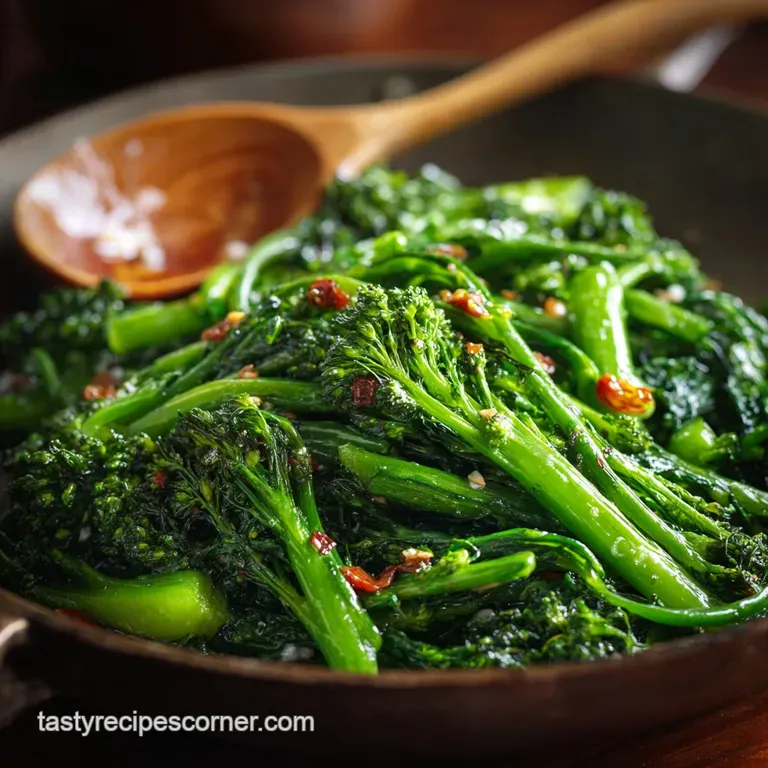
The air in my kitchen changes instantly when I start cooking rapini. It’s that intoxicating, earthy smell of sharp greens hitting smoking olive oil, softened by sweet, sliced garlic. It’s potent, it's classic Italian, and it makes my stomach rumble every single time.
If you’ve ever had true Italian broccoli rabe, you know that deep, slightly bitter bite is actually the entire point, not a flaw.
This green is a total lifesaver, genuinely. It’s cheap, incredibly nutritious, and it takes about ten minutes of actual cook time once prepped. The problem is that many people skip the essential prep steps, leaving them with tough, aggressively bitter greens that ruin the meal.
You should never be fighting your side dish.
I’ve made every mistake possible, from getting mushy greens to serving rapini so bitter it made my guests wince. But I finally nailed the technique, and now I’m sharing the secret to perfectly tender, garlicky, chilli spiced Cime di Rapa . Trust me, this method fixes everything.
The Science of Suppressing Bitterness: Why This Technique is Essential
We are dealing with a magnificent, yet temperamental, vegetable here. Broccoli rabe (or Rapini, as the Italians correctly call it) is famous for its robust flavour, but that robustness comes from naturally occurring sulfur compounds called glucosinolates.
These are responsible for that sharp, sometimes unpleasant, bitterness.
What Exactly Is Rapini? Defining Cime di Rapa
Broccoli Rabe isn't actually broccoli at all; it’s a member of the turnip family. Its proper Italian name is Cime di Rapa , meaning "turnip tops." We eat the leaves, the thin stalks, and those beautiful, tiny buds that look like baby florets.
It has a much more assertive, earthy, and distinctly bitter flavour compared to gentle broccolini or regular broccoli.
Why Broccoli Rabe Gets a Bad Rap (And How We Fix It)
When rapini gets bitter, it's usually because the home cook tried to sauté it from raw. Sautéing raw rapini only dehydrates the surface while concentrating the bitter compounds inside. We need to dilute and release the bitterness first.
This isn’t a quick fix; it’s a non-negotiable step for great rapini.
The History: A Neapolitan Kitchen Staple
This dish is totally foundational to Southern Italian cooking, particularly in the region of Campania (Naples). They love robust, bold flavours. It often appears as Rapini e Salsiccia (with sausage) or simply tossed with Orecchiette .
It’s peasant food elevated by perfect technique and high-quality olive oil.
The Crucial 60 Second Blanch: Deactivating Enzymes
Blanching a quick dip in violently boiling, heavily salted water achieves two things. First, it instantly brightens the greens, making them gorgeous. More importantly, those bitter glucosinolates are highly water soluble. The boiling water draws them out, mellowing the flavour dramatically.
Even better, the heat begins to deactivate the enzymes that create more bitterness during cooking.
The Cold Shock: Halting the Cooking Process
You don't need a huge, fussy ice bath for this specific dish, but you do need to stop the cooking immediately. Because we are going straight into a hot sauté pan, a vigorous shake in the colander is usually enough. If you let the rapini sit hot, it will keep cooking and turn mushy.
We want crisp tender, not sludge.
The Oil and Acid Balance: Extracting and Complementing Flavor
We use ample olive oil to infuse the garlic and chilli, which is crucial for flavour extraction. Fat carries flavour, simple as that. The slight bitterness that remains after blanching is then perfectly complemented by the heat of the chilli flakes and, ideally, a final, small squeeze of lemon juice.
Bitterness needs bright acid to lift it.
Essential Pantry: Ingredients for Authentic Cime di Rapa
You only need five things to make this dish sing, which is why I love it. However, the quality of those five ingredients matters immensely. This isn't a recipe for cheap, neutral vegetable oil.
Selecting the Best Broccoli Rabe Bundles
Look for bundles with vibrant green leaves and firm, mostly unopened flower buds. Avoid bundles that have yellowing leaves or stems that feel excessively thick and woody near the bottom. The thicker the stem, the more time you must spend trimming.
| Ingredient | Substitute (If desperate) | Why the original is better |
|---|---|---|
| Broccoli Rabe | Curly Kale or Collard Greens | The unique bitter note is irreplaceable. |
| Extra Virgin Olive Oil | Grapeseed or Avocado Oil | EVOO provides fruity, peppery depth. |
| Fresh Garlic | Shallots (finely sliced) | Garlic delivers the classic pungent kick. |
| Red Pepper Flakes | A small, finely diced fresh Serrano chilli | Fresh chilli gives a sharper, fruitier heat. |
The Quality Oil Standard: Using Extra Virgin Olive Oil Correctly
You'll use a relatively generous amount of oil here, and that oil becomes your sauce. Do not skimp. Use a high-quality, fruity extra virgin olive oil. It should taste good raw. Remember, we are heating the oil gently to infuse flavour, not smoking it, which would destroy the quality.
Heat Control: Mastering the Fresh Chili or Flake Debate
I generally stick to dried red pepper flakes for consistency, but a fresh, finely diced chilli adds fantastic colour and brightness. If you use fresh chilli, add it with the garlic, but keep the heat very low to prevent scorching.
I once added too many flakes and regretted it for hours; start small, you can always add more later.
Garlic Prep: Slicing vs. Mincing for Maximum Aroma
I highly recommend thinly slicing your garlic rather than mincing it. Slices infuse the oil beautifully and don't burn as quickly as tiny minced pieces. Plus, when they turn golden brown, they look gorgeous scattered throughout the final dish.
The Discipline of the Sauté: step-by-step Rapini Preparation
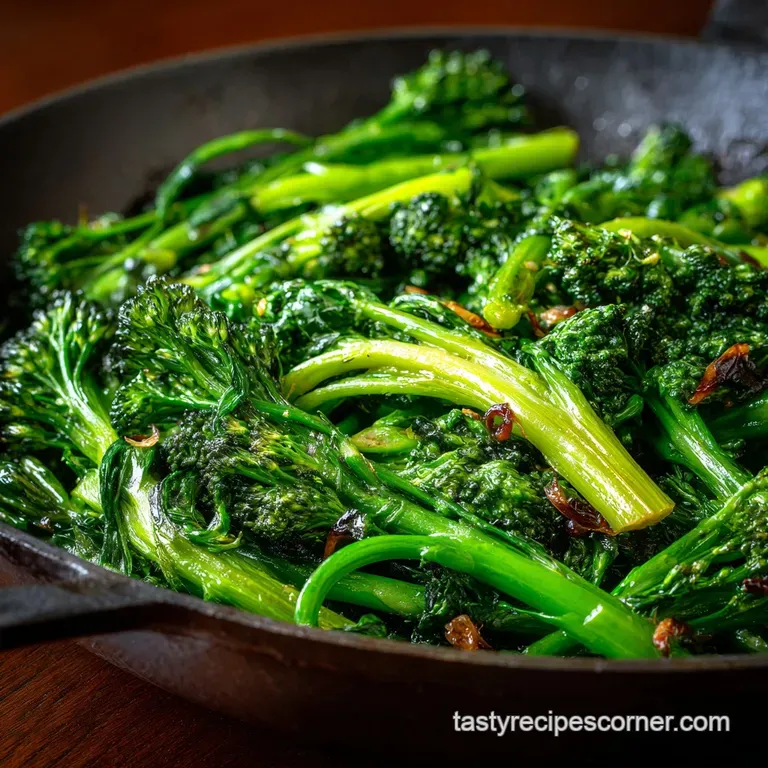
This is where technique separates the pros from the people serving up sad, soggy greens. Be quick, be bold, and keep the heat high during the sauté stage.
Stage 1: The over High heat Purge (The Blanching Method)
- Trim and Wash: Thoroughly rinse the rapini. Discard the bottom 1 to 2 inches of the tough, woody stems. If any remaining stems are thicker than your pinky, slice them lengthwise so everything cooks evenly.
- Boil Like the Ocean: Bring a huge pot of water to a rolling boil and add enough coarse salt that the water tastes undeniably salty. This helps season the greens right from the start.
- The Quick Dip: Drop the rapini into the boiling water. Let it rip for 2 to 3 minutes . It will wilt dramatically and turn bright emerald green. Immediately scoop it out and drain it in a colander. Shake off as much excess water as possible.
Stage 2: Building the Aromatic Base (Garlic and Chili Infusion)
- Oil Up: Heat your olive oil in a large skillet over medium heat. Keep the temperature moderate.
- Infuse Gently: Add your sliced garlic and red pepper flakes. Cook for 1 to 2 minutes, stirring constantly, until the garlic just starts to turn pale golden at the edges and smells ridiculously fragrant. Don't let it brown deeply or it will taste acrid.
- Quick Save Tip: If the garlic looks like it's burning, immediately pull the pan off the heat for 30 seconds before continuing.
Stage 3: The Vigorous Return (Sautéing Until Tender Crisp)
- Sizzle Time: Turn the heat up to medium high. Add the blanched, drained rapini to the skillet. It should sizzle immediately.
- Sauté Hard: Toss and sauté vigorously for 5 to 7 minutes. We are driving off any remaining water and deeply flavouring the greens with the infused oil. They should shrink and become truly tender crisp.
- Finish Strong: If the pan seems dry, add a tiny splash of water or broth. Season generously with fine sea salt and pepper. Serve immediately.
From Bitter to Better: Troubleshooting Broccoli Rabe
I guarantee these three issues are where most home cooks stumble when preparing Cime di Rapa . A little awareness goes a long way.
Problem: Why Is My Broccoli Rabe Still Tough? (Addressing inadequate trim)
If you find stringy, tough chunks, it means you didn't trim enough of the woody stem or you didn't slice the thicker stems lengthwise. The blanching process cannot soften pure wood. Next time, be ruthless with the initial trimming; if the stem doesn't snap easily, discard it.
Mistake: Undercooked Garlic and Burnt Flakes
This is a rookie error, but a fatal one. Burnt garlic is a crime against flavour; it tastes metallic and overpowering. Conversely, if you barely cook the garlic, the oil won't be flavoured correctly. The fix? Keep the heat low and slow (medium, not high) during the initial infusion stage.
Cook until aromatic, not brown.
Tip: Adding a Splash of Starchy Water (Emulsification trick)
When finishing the dish, if you drained the rapini using a colander (not tongs), save a quarter cup of the salty blanching water. Adding a splash of this starchy water during the final sauté creates a beautiful, slight emulsion with the olive oil, helping the sauce cling perfectly to the greens.
Crucial Chef’s Note: Never salt the rapini until after the blanching and sautéing steps are complete. The blanched water has already seasoned the core, and you need to taste the final product before adding more.
Making Ahead and Keeping Fresh: Storage Solutions
Broccoli Rabe is delicious fresh, but sometimes you have leftovers. Here is how to keep them excellent.
Proper Refrigeration of Cooked Broccoli Rabe
Cooked rapini keeps beautifully in the fridge for 3 to 4 days. Store it in an airtight container. Make sure you drain off any excess liquid before storing, so it doesn't get mushy. It’s fantastic served cold the next day on a sandwich or added to an omelette.
Freezing Rapini: Best Practices for Long Term Storage
Yes, you can freeze it! If you plan to freeze, ensure the rapini is slightly al dente (not overly soft) after the sauté. Once completely cooled, squeeze out as much moisture as possible and place it in a heavy duty, freezer safe bag or container. It’ll hold well for up to three months.
Reheating Without Losing Texture
The key to reheating is speed. Do not microwave it, ever that invites sadness and mush. The best method is a quick blast in a skillet over medium high heat with a drizzle of fresh olive oil.
Sauté it for just 2 to 3 minutes until warmed through and any residual liquid has evaporated.
Ideal Pairings: How to Serve Garlicky Broccoli Rabe
This vibrant, pungent side dish needs something bold to stand up to it. It’s not a shy vegetable.
- The Classic Pairing: Tossed with Orecchiette pasta and sharp Pecorino Romano cheese.
- The Robust Main: Served alongside grilled or pan-seared Italian sausages (sweet or hot) or rich pork chops.
- The Quick Appetizer: Served cold on toasted, oiled bread (bruschetta) rubbed with fresh garlic.
Recipe FAQs
Why is my broccoli rabe still too bitter after cooking?
Bitterness usually means the essential blanching step was skipped or too brief. Always boil the greens in heavily salted water for 3-4 minutes to soften the intensely sharp flavour compounds before sautéing.
If it’s still slightly sharp, try finishing the dish with a squeeze of fresh lemon juice or a small pinch of sugar to help balance the pungency.
How do I prevent the rapini from becoming waterlogged or mushy?
Ensure you squeeze and drain the rapini thoroughly after the ice bath; excess residual water will cause the greens to steam in the pan instead of receiving a proper, flavourful sauté.
Also, avoid overcrowding the pan during the final cooking stage, which should be fast and high heat to maintain a vibrant, crisp tender texture.
My garlic burned before the rapini was fully sautéed. What went wrong?
You likely added the sliced garlic to oil that was too hot or cooked it over high heat too quickly. Always cook the garlic and chilli flakes over a low to medium heat until they are just fragrant (about 30-45 seconds) before you introduce the wet greens and raise the temperature.
If the garlic starts to brown rapidly, immediately remove the pan from the heat.
Can I prepare the blanched rapini ahead of time?
Yes, you can easily complete the initial blanching and ice bath steps up to 24 hours in advance, making this an excellent weeknight starter. After ensuring the greens are thoroughly dried, store them in an airtight container in the refrigerator.
Perform the final, quick sauté with the aromatics just before serving for the best possible flavour and heat.
How can I turn this side dish into a satisfying main course?
Broccoli Rabe pairs beautifully with salty and rich proteins to create a substantial meal. Try tossing the finished greens with browned Italian sausage that has been removed from its casing, or mix it into a bowl of orecchiette or rigatoni pasta.
If using pasta, reserve some starchy cooking water to help emulsify the oil into a light sauce.
Can cooked broccoli rabe be frozen?
While freezing is technically possible, it is not recommended for this dish as it severely compromises the delightful crisp tender texture, making the greens soft and watery upon thawing.
If you must freeze, ensure the rapini is thoroughly drained and use it within 2-3 months specifically for blending into soups or robust sauces.
How do I adjust the heat level from the chilli flakes (peperoncino)?
The intensity of heat comes from toasting the flakes gently in the hot oil alongside the garlic, which releases their capsaicin. For milder results, simply reduce the quantity of flakes used or opt for whole, crushed chillies which can be easily removed before serving.
If you desire extra heat, add a very small pinch of cayenne pepper during the final sauté.
Garlicky Chilli Broccoli Rabe Recipe
Ingredients:
Instructions:
Nutrition Facts:
| Calories | 277 kcal |
|---|---|
| Protein | 7.6 g |
| Fat | 21.4 g |
| Carbs | 13.5 g |
