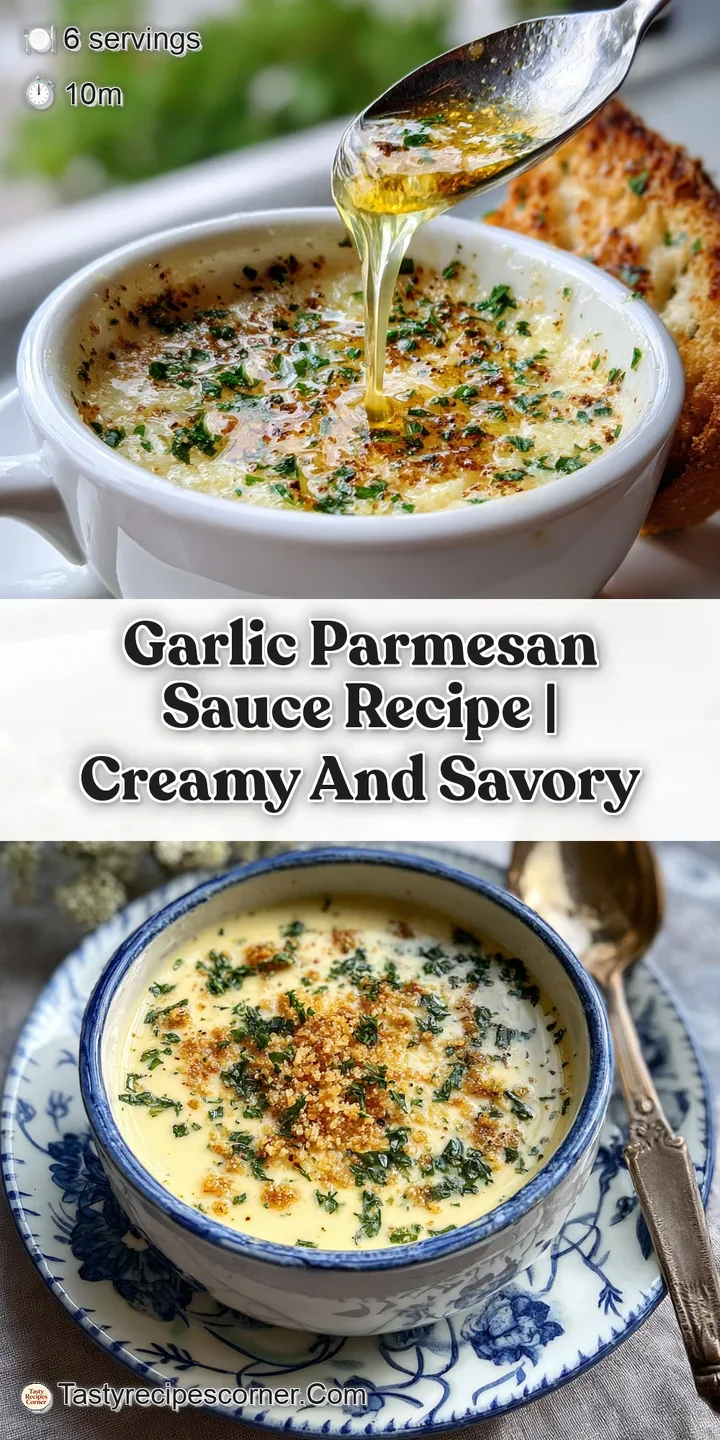
Garlic Parmesan Sauce Recipe
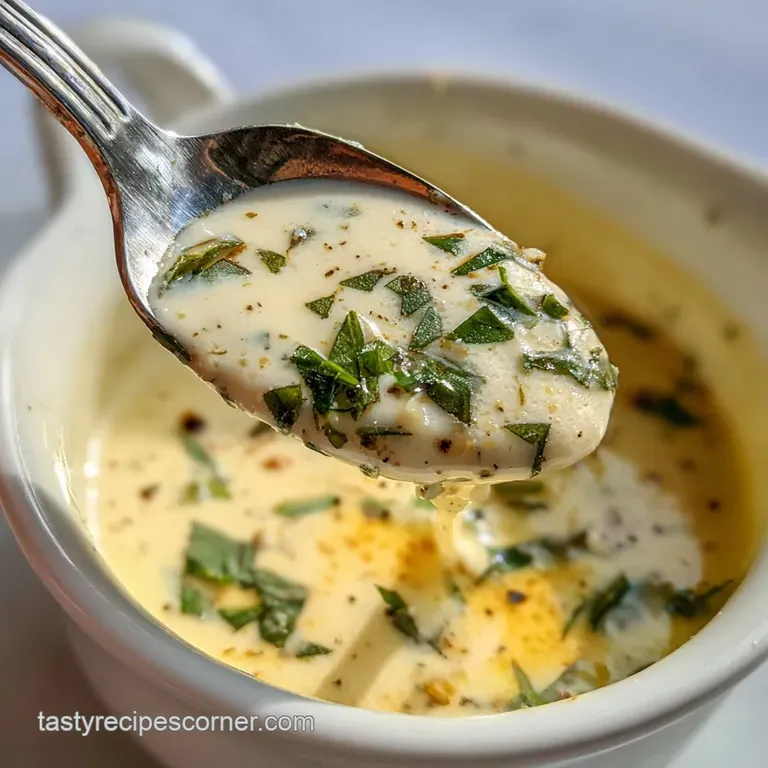
- Time: Active 5 minutes, Passive 5 minutes, Total 10 minutes
- Flavor/Texture Hook: Silky, garlic forward, and deeply savory
- Perfect for: Family pasta nights or game day chicken wings
Success Secrets for This Sauce
There is a specific sound in my Tennessee kitchen that means dinner is going to be good. It is the gentle sizzle of four cloves of minced garlic hitting a pool of melting unsalted butter. That aroma fills the room, skipping the fancy stuff and going straight for the soul.
I remember the first time I tried making a homemade garlic parmesan sauce recipe; I rushed the heat and ended up with bitter, burnt bits. It was a mess, but it taught me that patience is the most important ingredient in any hearty meal.
Now, I don't settle for anything less than a velvety texture that feels like a warm hug for your pasta or wings. This is about creating a thick, rich coating that doesn't break or turn greasy on the plate. We are using real heavy cream and freshly grated Parmigiano Reggiano to ensure every bite is consistent.
It's the kind of sauce that makes your family linger at the table just a little longer, scraping the last bit off their plates with a piece of crusty bread.
Official Specs and Timings
When you are looking for an easy garlic parmesan sauce recipe, you want something that moves fast but tastes like it simmered all afternoon. This version hits that sweet spot. It's thick enough to coat a spoon but fluid enough to toss with noodles without clumping.
By focusing on a few high-quality components, we create a depth of flavor that pre made jars simply cannot replicate.
The Molecular Magic of the Emulsion
Fat Suspension: The butter and heavy cream form a stable emulsion when heated slowly, preventing the sauce from splitting into oil. Casein Stability: Freshly grated parmesan melts smoothly because it lacks the starchy anti clumping agents found in bagged shreds.
Decision Shortcut for Cook Methods
| Method | Time | Texture | Best For |
|---|---|---|---|
| Stovetop | 10 minutes | Velvety & Fluid | Pasta or dipping |
| Reduction | 20 minutes | Thick & Sticky | Wing coating |
| Slow Heat | 15 minutes | Deeply Infused | Bread dipping |
This simple garlic parmesan sauce recipe relies on the interaction between dairy fats and cheese proteins. If you want a version that packs more of a punch for a crowd, you might consider how this pairs with an Unforgettable Bite recipe to really lean into that garlic theme. The key is keeping the heat at a medium low setting to allow the proteins in the cheese to relax into the cream rather than seizing up into a grainy clump.
Pantry Essentials for Sauce
The ingredients for this homemade garlic parmesan sauce recipe are likely sitting in your fridge right now. I always tell my friends that if you have butter and cheese, you have the start of a legendary meal. We are using 4 tbsp unsalted butter and 4 cloves of fresh garlic to build our foundation.
The 1 cup heavy cream provides the body, while 1/2 cup freshly grated Parmigiano Reggiano brings that salty, nutty finish that defines a great parmesan sauce recipe.
Component Analysis and Pro Secrets
| Ingredient | Science Role | Pro Secret |
|---|---|---|
| Heavy Cream | Primary Emulsifier | Use room temp cream to prevent the butter from seizing. |
| Parmigiano Reggiano | Protein Binder | Grate it on a microplane for the fastest, smoothest melt. |
| Lemon Juice | pH Balancer | Cuts through the heavy fats to brighten the overall profile. |
A quick note on the cheese: please avoid the stuff in the green shaker can. It contains cellulose (wood pulp) to keep it from sticking, which will make your sauce feel like sand in your mouth. For a truly creamy garlic parmesan sauce recipe, you need the real deal. If you're looking to expand your menu, this base is quite similar to what I use in my Garlic Butter Chicken recipe, where the fat carries the garlic flavor into every fiber of the meat.
Tools for the Perfect Stir
You don't need a professional kitchen to pull this off, but a heavy bottomed skillet or a small saucepan is your best friend here. I prefer using a stainless steel pan because it allows me to see the garlic as it changes color, ensuring I don't cross the line from golden to burnt.
A silicone whisk is also essential for keeping the cheese moving as it melts into the cream.
Ingredients and Substitutions
- 4 tbsp unsalted butter: Why this? Provides the rich, fat soluble base for the garlic aroma. (Sub: 3 tbsp Olive oil for a lighter, fruitier fat profile)
- 4 cloves fresh garlic, minced: Why this? Fresh garlic offers a pungent bite that powders can't match. (Sub: 1 tbsp garlic paste)
- 1/2 cup freshly grated Parmigiano Reggiano: Why this? High protein to fat ratio for a smooth, thick melt. (Sub: Pecorino Romano for a saltier, tangier kick)
- 1 cup heavy cream: Why this? High fat content ensures the sauce stays emulsified. (Sub: Full fat coconut milk for a dairy-free version, though it adds a nutty hint)
- 1/2 tsp red pepper flakes: Adds a subtle back of-the throat warmth. (Sub: 1/4 tsp Cayenne pepper)
- 1/2 tsp sea salt: Enhances the savory notes. (Sub: Kosher salt)
- 1/2 tsp freshly cracked black pepper: Provides a sharp, earthy contrast.
- 1/4 tsp onion powder: Adds a savory depth without extra texture.
- 1 tbsp fresh Italian parsley: Brings a burst of color and freshness. (Sub: 1 tsp dried parsley)
- 1 tsp fresh lemon juice: The "acid hit" that balances the richness.
step-by-step Cooking Guide
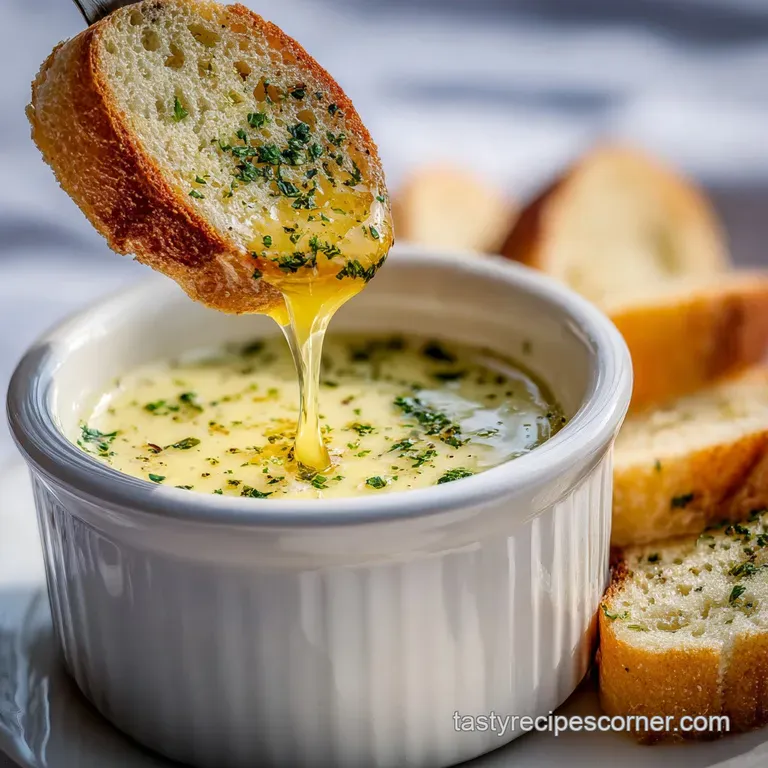
- Melt the butter. Place your 4 tbsp unsalted butter in a saucepan over medium low heat until it begins to foam and hiss. Note: This removes excess water.
- Infuse the garlic. Add the 4 cloves of minced garlic and 1/2 tsp red pepper flakes. Cook for 2 minutes until the kitchen smells like a dream and garlic is golden.
- Whisk in aromatics. Stir in 1/2 tsp sea salt, 1/2 tsp black pepper, and 1/4 tsp onion powder.
- Pour the cream. Slowly add the 1 cup heavy cream while whisking constantly.
- Simmer gently. Let the mixture reach a bare simmer for 3 minutes until tiny bubbles form around the edges. Note: Do not let it reach a rolling boil.
- Add the cheese. Remove the pan from the heat and sprinkle in the 1/2 cup freshly grated Parmigiano Reggiano.
- Emulsify the sauce. Whisk vigorously for 1 minute until the cheese is fully incorporated and the sauce is velvety.
- Brighten the flavor. Stir in the 1 tsp fresh lemon juice and 1 tbsp fresh Italian parsley.
- Rest the sauce. Let it sit for 2 minutes; it will thicken significantly as it cools slightly.
- Toss and serve. Pour over your favorite protein or pasta immediately for the best cling.
Solving Common Sauce Snafus
Even the best of us run into trouble sometimes. The most common heartbreak with a garlic parmesan sauce recipe for pasta is seeing it turn into a grainy mess or having a layer of yellow oil sitting on top. Usually, this is just a matter of temperature.
If the pan is too hot when the cheese goes in, the proteins tighten up and squeeze out the fat, leading to separation.
Fixing Grainy or Broken Textures
If your sauce looks "broken" (oily), try adding a tablespoon of warm cream and whisking like your life depends on it. If it's too thick, a splash of pasta water or extra cream will loosen it right up. Remember, this sauce is a living emulsion; it reacts to every degree of heat change.
| Problem | Root Cause | Solution |
|---|---|---|
| Grainy Texture | Pre shredded cheese or too much heat | Use fresh cheese and remove from heat before adding. |
| Oily Separation | Sauce boiled too hard | Whisk in a splash of cold cream to bring the temp down. |
| Too Thin | Not enough reduction time | Simmer for 2 more minutes or add extra cheese. |
Common Mistakes Checklist
- ✓ Grate your own cheese: Bagged cheese has cornstarch that ruins the silkiness.
- ✓ Control the sizzle: If the garlic turns brown or black, it will be bitter; start over.
- ✓ Temper your cream: Let it sit on the counter for 10 minutes so it's not ice cold.
- ✓ Wait for the rest: The sauce needs a minute off the heat to reach its final thickness.
- ✓ Finish with acid: Don't skip the lemon juice; it's the secret to making it taste "bright."
Adjusting for Any Crowd
Scaling this best garlic parmesan sauce recipe is straightforward, but you have to watch your spices. When I'm cooking for the whole church potluck, I double the cream and butter, but I only increase the salt and red pepper flakes by about 1.5 times.
Spices tend to amplify differently than fats when you scale up, and you don't want to accidentally blow everyone's heads off with heat.
Sizing Up or Down
- Cutting in Half: Use a very small pan to prevent the cream from evaporating too fast. Reduce the simmer time by about 20%.
- Doubling the Batch: Use a wide skillet to provide more surface area for even heating. Reduce the total liquid by 10% if you want it extra thick, as larger volumes retain heat longer.
- Baking Application: If using this in a casserole like my Baked Chicken Spaghetti Recipe, under cook the sauce slightly so it finishes thickening in the oven.
Creative Flavor Spin Offs
While I love the classic version, sometimes I want to shake things up. This is a fantastic garlic parmesan sauce recipe for wings if you add a tablespoon of honey for a sweet heat vibe.
The sugar in the honey helps the sauce caramelize slightly if you toss the wings and put them back under the broiler for sixty seconds.
Infused Butter Base Science
Sautéing the garlic in butter before adding cream isn't just for flavor; it's chemistry. The fat in the butter captures the sulfur compounds in the garlic, mellowing them out. This prevents that "sharp" raw garlic taste that can sometimes be too aggressive in a creamy sauce.
Fresh Grated vs Shaken Cheese
The moisture content in a block of Parmigiano Reggiano is significantly higher than the dried out powder in a can. This moisture is what allows the cheese to melt into the cream rather than just floating in it.
When you use the real stuff, the cheese actually becomes part of the liquid, creating that iconic shatter of flavor on your palate.
Storing and Reheating Tips
You can absolutely make this ahead of time, which is a lifesaver for busy weeknights. Store it in a glass jar in the fridge for up to 3 days. When you go to use it, you'll notice it has turned into a solid block of deliciousness don't panic! That’s just the butter and cream firming up.
- Storage: Keep in an airtight container for 3-4 days. Freezing is not recommended as the cream can grain out upon thawing.
- Reheating: Place the sauce in a small pan over the lowest possible heat. Add a splash of milk or water and whisk constantly. Do not microwave it on high power, or it will turn into a greasy puddle.
- Zero Waste: If you have a small amount of leftover sauce, stir it into mashed potatoes or use it as a spread for a steak sandwich. The garlic butter cheese combo is a universal flavor booster.
Plating for the Wow Factor
Presentation is everything when you're serving a hearty, soul warming meal. I love to finish the dish with a few extra cracks of black pepper and a heavy hand of fresh parsley. The green pops against the white sauce, making it look as good as it smells.
If you're serving this as a garlic parmesan sauce recipe for chicken, try slicing the breast into strips and drizzling the sauce over the top rather than submerging it this keeps any crispy skin from getting soggy.
For a complete meal, I often pair this with a side of roasted broccoli or a crisp Caesar salad. The acidity in a salad dressing provides a great contrast to the rich, heavy nature of the parmesan. If you’re looking for a one pan wonder, you can see how I incorporate these flavors into a full meal with my Creamy Garlic Chicken recipe. It’s all about building layers of comfort that make your guests feel right at home.
Debunking Kitchen Myths
Myth 1: You must boil the sauce to thicken it. Actually, boiling can cause the dairy to curdle and the cheese to become rubbery. A gentle simmer is all you need for the proteins to bond and the water to evaporate.
Myth 2: Garlic powder is the same as fresh garlic. Fresh garlic contains oils that are released upon mincing, which provide a complex, pungent aroma that powder simply lacks. Powder is great for a subtle background note, but fresh garlic is the star of this show.
Myth 3: Adding oil to the butter prevents it from burning. Oil doesn't change the burn point of butter solids. The only way to prevent burning is to keep the heat low and keep the garlic moving. Trust your nose if it starts to smell toasted, turn the heat down immediately.
Recipe FAQs
What is in garlic parmesan sauce?
Typically, butter, garlic, heavy cream, and grated Parmesan cheese. Sometimes red pepper flakes, salt, black pepper, and fresh parsley are added for flavor depth and brightness. The key is the emulsification of fats and proteins to create a smooth, coating consistency.
What's the secret to a creamy garlic parmesan?
Use freshly grated Parmesan cheese and control the heat. Pre-shredded cheese contains anti caking agents that prevent smooth melting, and adding cheese off the heat prevents it from seizing. If you enjoyed mastering texture control here, see how the same principle of careful heating applies in our Creamy Shrimp Pasta Recipe with Garlic.
What are the 4 ingredients in garlic sauce?
For a basic garlic sauce, the core four are often oil (like butter or olive oil), fresh garlic, and a liquid base (like broth or water). A thickening agent like cornstarch or a binder like cream or cheese is usually added to achieve desired consistency, like in a garlic parmesan sauce.
What is garlic sauce made of at the Chinese restaurant?
Chinese restaurant garlic sauce typically features a base of sautéed garlic, soy sauce, and oyster sauce. It often includes sugar, vinegar, sesame oil, and sometimes cornstarch for thickening. The flavor profile is savory, slightly sweet, and aromatic.
Can I make garlic parmesan sauce dairy-free?
Yes, but it will have a different flavor profile. You can substitute full fat coconut milk for heavy cream and use a dairy-free Parmesan alternative or nutritional yeast for cheesiness. The texture might be slightly less rich but still delicious.
How long does garlic parmesan sauce last in the fridge?
It lasts for about 3 to 4 days in an airtight container. The sauce may solidify when cold due to the butter and cream; reheat gently over low heat with a splash of milk or water, whisking constantly.
What's the best way to reheat garlic parmesan sauce?
Reheat gently over low heat on the stovetop. Add a small splash of milk, water, or broth and whisk continuously to re-emulsify the sauce. Avoid microwaving on high power, as it can cause separation and a greasy texture.
Garlic Parmesan Sauce
Ingredients:
Instructions:
Nutrition Facts:
| Calories | 238 kcal |
|---|---|
| Protein | 4.0 g |
| Fat | 23.7 g |
| Carbs | 2.1 g |
| Fiber | 0.1 g |
| Sugar | 1.1 g |
| Sodium | 284 mg |
