Unforgettable Bite
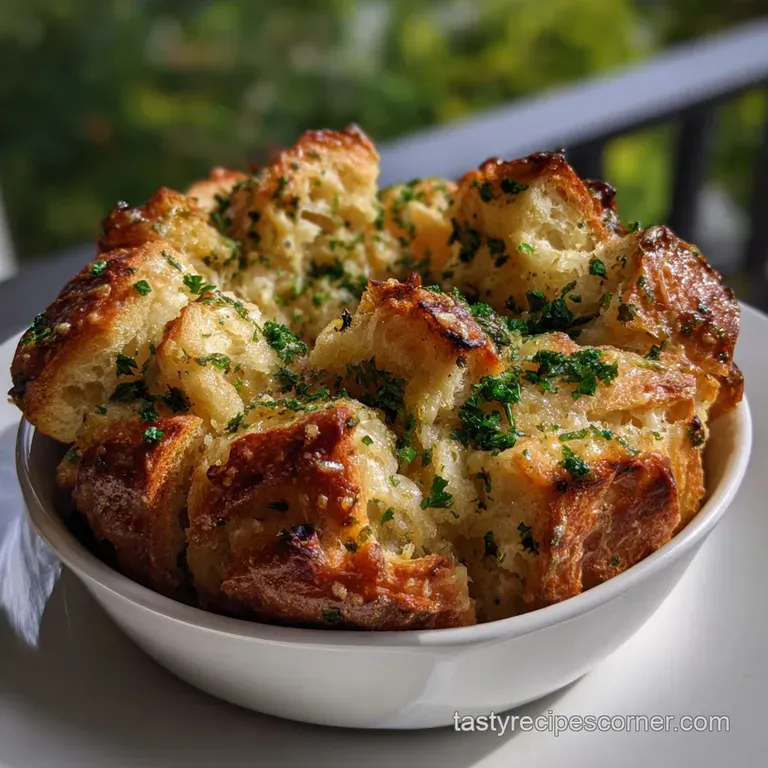
- Effort/Time: 35 minutes total (Moderate effort)
- Flavor Hook: Sharp, nutty Parmesan meets pungent, toasted garlic umami
- Perfect for: Game-day gatherings, soul-warming family dinners, or holiday spreads
- Why This Hearty Best Appetizer Recipe Ever with Garlic and Parmesan Works
- Thermal Benchmarks for the Best Appetizer Recipe Ever with Garlic and Parmesan
- The Chemistry of Flavor: Selecting Your Elements
- Precision Equipment for a Hearty Bake
- The Aromatic Assembly: Perfecting the Best Appetizer Recipe Ever with Garlic and Parmesan
- Solving the Mystery of Soggy Centers and Burnt Garlic
- The Scaling Lab: Physics of Doubling the Batch
- Common Myths About Garlic and Cheese
- Flavor Architecture: Variations for Your Bread
- Preserving the Soul-Warming Crunch: Storage and Recovery
- Complete the Spread: Pairing Your Masterpiece
- Recipe FAQs
- 📝 Recipe Card
Why This Hearty Best Appetizer Recipe Ever with Garlic and Parmesan Works
Nothing kills a party mood faster than serving a $20 platter of bread that tastes like cardboard and looks like a basement project. I’ve spent years in my Tennessee kitchen trying to figure out why some garlic bites come out tough enough to break a tooth while others are soft as a cloud.
I once served a batch that was so greasy the napkins turned translucent before the first guest even arrived. That failure taught me that the physics of fat absorption is the difference between a soggy mess and a soul warming masterpiece.
The secret isn't just throwing cheese at the problem; it’s about gluten relaxation and the specific timing of the garlic infusion. This is the best appetizer recipe ever, featuring garlic and Parmesan for an unforgettable bite because we treat the dough like a sponge for fat-soluble aromatics.
When you hit the dough with melted butter and microplaned garlic, the allicin the compound that gives garlic its bite blooms in the fat, creating a flavor profile that reaches the center of every bite rather than just sitting on top.
The scientific revelation here is the interaction between the high temperature bake and the Maillard reaction occurring on the Parmesan’s proteins. We aren't just melting cheese; we are dehydrating the milk solids to create a "shatter crisp" exterior that contrasts with the yeasty, velvety interior.
If you've ever struggled with uneven browning, it's likely because your oven's thermal mass wasn't stabilized. This recipe fixes that by utilizing a heavy duty Lodge Cast Iron Skillet to ensure constant, radiating heat from the bottom up.
Thermal Benchmarks for the Best Appetizer Recipe Ever with Garlic and Parmesan
To ensure your Tennessee kitchen produces consistent results, follow these precise technical specifications. These metrics guarantee that your Garlic and Parmesan bites achieve the necessary internal crumb structure while maintaining a mahogany colored crust.
| Metric | Specification | Note |
|---|---|---|
| Prep Time | 15 minutes | Includes dough portioning and garlic microplaning |
| Cook Time | 20 minutes | Targeted for a standard convection or conventional oven |
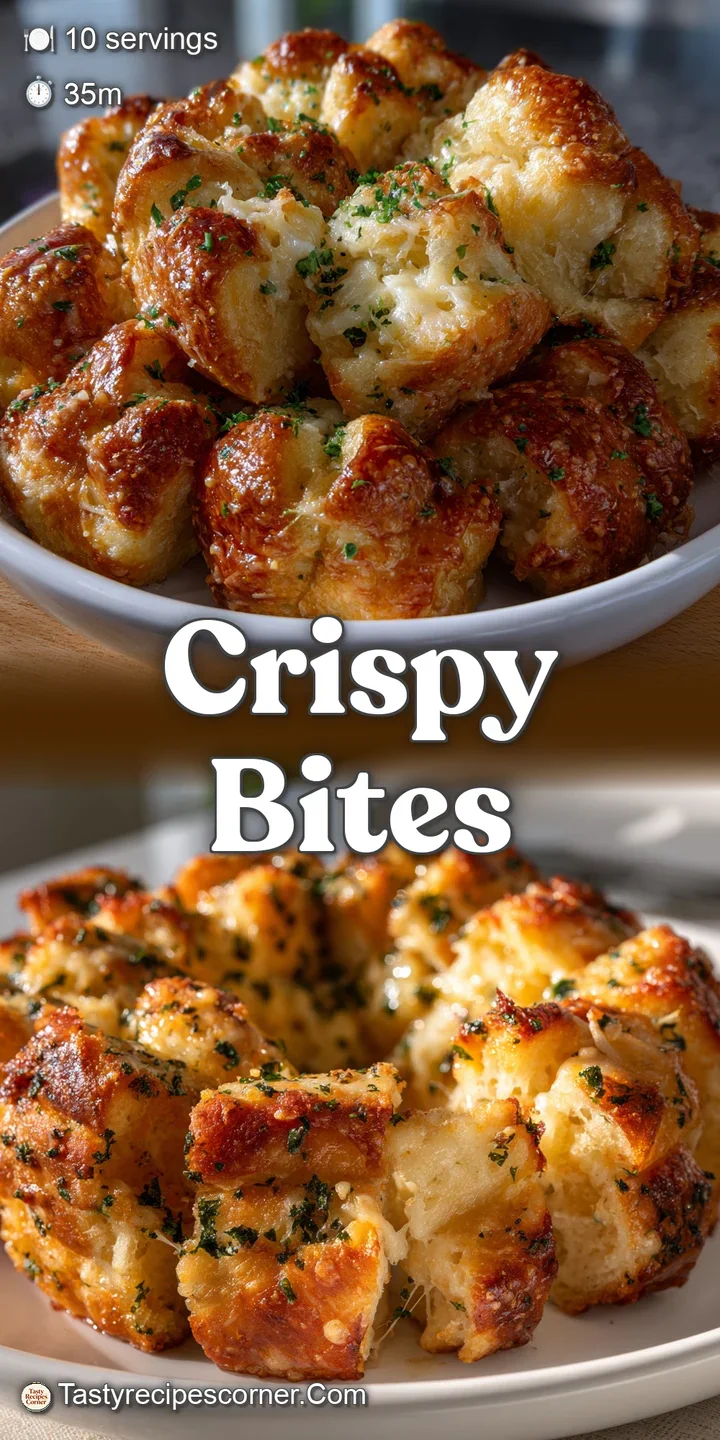
| Total Time | 35 minutes | From counter to table |
| Serving Yield | 10 servings | Approximately 3 4 bites per person |
| Oven Temp | 400°F (204°C) | Essential for immediate steam expansion in dough |
The Chemistry of Flavor: Selecting Your Elements
When making the Best Appetizer Recipe Ever with Garlic and Parmesan, your choice of fat and protein determines the final structural integrity. Using a 1 lb refrigerated pizza dough provides the necessary gluten network to trap the gases released during the bake.
However, the true magic happens in the garlic butter slurry.
Ingredient Chemistry Breakdown
| Ingredient | Chemical/Physical Role (Science) | The Pro Secret (Why This Matters) |
|---|---|---|
| Unsalted Butter | Fat-in-water emulsion for steam leavening | Provides a richer mouthfeel than oil while preventing salt overload |
| Fresh Garlic | Allicin release via cellular rupture | Microplaning creates more surface area for maximum aromatic intensity |
| Parmesan Cheese | Casein protein dehydration | Creates a savory "frico" crust through the Maillard reaction |
| Pizza Dough | Gluten network formation | Traps CO2 and steam to create a pillowy, elastic crumb |
The Essential Grocery List
- 1 lb refrigerated pizza dough: Look for a high protein dough like Pillsbury Classic Pizza Crust. Why this? High protein ensures a chewy, bread like structure rather than a cracker like snap.
- 2 tbsp extra virgin olive oil: I recommend Lucini Premium Select. Why this? Provides a higher smoke point floor for the bottom crust sizzle.
- 1/2 cup unsalted butter, melted: Use Kerrygold Pure Irish Butter. Why this? Higher butterfat content (82%+) leads to a more velvety interior.
- 4 cloves fresh garlic, microplaned: Do not use the jarred stuff.
- 1/2 cup freshly grated Parmesan cheese: Go for Parmigiano Reggiano. Why this? Aged cheese has less moisture, preventing a "greasy" bake.
- 1 tsp Italian seasoning: A blend of oregano, basil, and thyme.
- 1/2 tsp red pepper flakes: Adds a subtle heat to cut through the heavy fats.
- 1/4 cup additional grated Parmesan cheese: For the post bake "snowfall" effect.
- 2 tbsp fresh parsley, finely chopped: Brightens the heavy umami notes.
- 1/2 tsp flaky sea salt: Use Maldon Sea Salt. Why this? The pyramid shape adds a structural crunch and clean salt finish.
Precision Equipment for a Hearty Bake
You can’t build a house with a plastic hammer, and you can't make the Best Appetizer Recipe Ever with Garlic and Parmesan in a thin, warped baking sheet. Heat distribution is the most critical factor in avoiding the "soggy bottom" syndrome that plagues so many home cooks.
- Lodge 12 inch Cast Iron Skillet: The heavy iron retains heat, acting as a stone floor for your bread.
- Microplane Classic Series Zester: Essential for turning garlic into a paste rather than chunks.
- Pyrex Glass Mixing Bowl: For melting butter safely without hotspots.
- Silicone Pastry Brush: To ensure even distribution of the garlic butter emulsion.
- KitchenAid Bench Scraper: To portion the dough with clean, vertical cuts that don't tear the gluten fibers.
The Aromatic Assembly: Perfecting the Best Appetizer Recipe Ever with Garlic and Parmesan
Follow these steps with surgical precision. If you want the flavor of a Homemade Beef Sausage recipe to eventually pair with this, you need to master the base dough first.
- Stabilize Oven: Preheat your oven to 400°F (204°C) for at least 20 minutes until the internal walls radiate heat.
- Prepare Vessel: Coat your Lodge Cast Iron Skillet with 2 tbsp extra virgin olive oiluntil the surface is glossy and slick.
- Portion Dough: Use a KitchenAid Bench Scraper to cut the 1 lb refrigerated pizza dough into 1 inch pieces until you have roughly 30 40 uniform spheres.
- Create Slurry: Combine 1/2 cup melted unsalted butter, 4 cloves microplaned garlic, 1/2 cup freshly grated Parmesan, 1 tsp Italian seasoning, and 1/2 tsp red pepper flakes in a Pyrex bowl. Note: Fat-soluble compounds in the herbs bloom instantly in the warm butter.
- Enrobe Dough: Toss the dough pieces in the butter mixture until every surface is thoroughly coated and saturated.
- Arrange Base: Place the dough pieces in the skillet in a single layer until the bottom of the pan is crowded but not overlapping.
- Initial Bake: Slide the skillet into the oven for 15 minutes until the dough pieces double in size and the edges begin to hiss.
- Golden Rotation: Rotate the pan 180 degrees and bake for another 5 minutes until the tops are a deep mahogany brown and the cheese smells nutty.
- The Snowfall: Remove from heat and immediately sprinkle with 1/4 cup additional grated Parmesan and 1/2 tsp flaky sea salt. Note: The residual heat will partially melt the new cheese, creating a multi textured finish.
- Garnish: Finish with 2 tbsp finely chopped fresh parsleyuntil the green pops against the golden bread.
Chef's Tip: Freeze your block of Parmesan for 10 minutes before grating. Cold cheese grates into finer, fluffier shards that melt more evenly across the irregular surface of the dough.
Solving the Mystery of Soggy Centers and Burnt Garlic
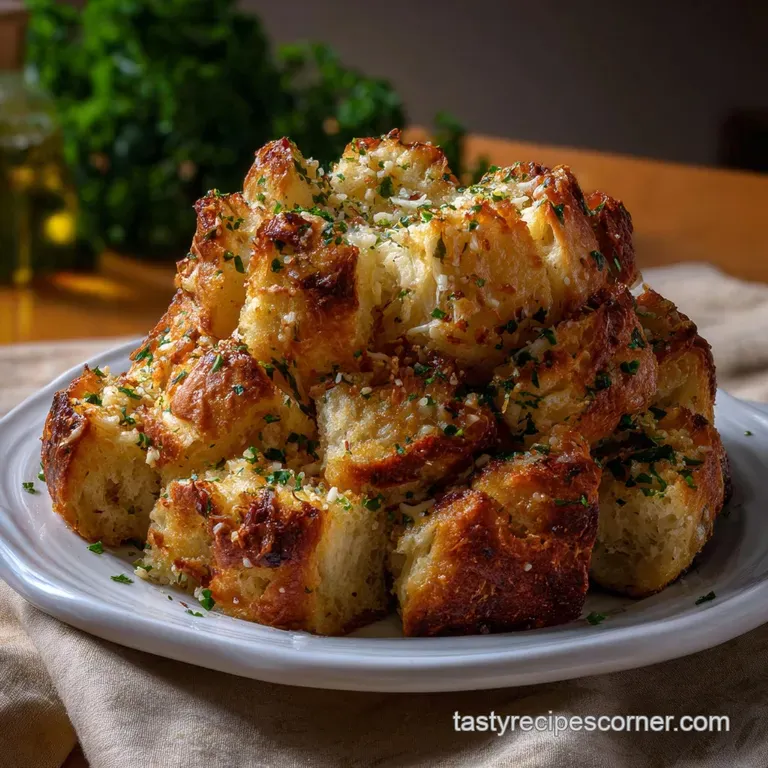
Even a seasoned pro can hit a snag. The physics of the Best Appetizer Recipe Ever with Garlic and Parmesan depends on the balance between moisture in the dough and the fat in the pan. If your kitchen starts smelling like bitter charcoal, your garlic has likely oxidized and burnt.
Why Your Appetizer is Soggy
This usually happens because the oven temp dropped. When you crowd the pan, you introduce a massive amount of cold mass into the oven. If your oven hasn't been properly preheated, the temperature can plummet 50 degrees, leading to steaming instead of searing.
This turns your "pillowy" dough into a gummy, undercooked mess.
| Problem | Root Cause | The Fix | Pro Protocol |
|---|---|---|---|
| Burnt Garlic | Garlic pieces too large or exposed | Microplane into a paste; tuck garlic under the cheese layer | Keep garlic pieces under 1mm |
| Gummy Interior | Underbaked or dough was too cold | Allow dough to sit at room temp for 20 mins before baking | Target internal temp of 190°F |
| Greasy Bottom | Excess oil used or low heat | Reduce oil to 2 tbsp and ensure cast iron is preheated | Use a dark colored pan for better heat absorption |
The Scaling Lab: Physics of Doubling the Batch
If you're hosting a massive Tennessee kitchen gathering and need to double this Best Appetizer Recipe Ever with Garlic and Parmesan, you cannot simply double everything and call it a day.
- ⚗️ The Scaling Lab: When doubling the batch to 2 lbs of dough, do not double the salt. Flavor compounds like sodium and dried herbs accumulate non-linearly. Use 1.5x the salt and seasoning, then taste.
- Thermal Mass: Doubling the dough in one pan will result in a raw center. You must use two separate 12 inch skillets or bake in batches.
- Pan Crowding: If the dough pieces are too tight, the steam cannot escape. This will lead to a "boiled" texture rather than a baked one. Leave at least 1/4 inch of space between raw dough balls.
- Baking Time: A doubled batch in a larger vessel requires an extra 7 10 minutes of bake time. Pull the pan when the hissing sound of evaporating moisture subsides, signaling the crust is set.
Common Myths About Garlic and Cheese
Myth: Using jarred minced garlic saves time without sacrificing flavor. Truth: Jarred garlic is stored in citric acid, which alters its pH and destroys the allicin.
For the Best Appetizer Recipe Ever with Garlic and Parmesan, you need the sulfurous punch of fresh cloves to stand up to the heavy fats.
Myth: Pre-shredded cheese is just as good as a block. Truth: Pre-shredded cheese is coated in potato starch or cellulose to prevent clumping. This starch prevents the cheese from melting into a cohesive, velvety glaze, often resulting in a "gritty" texture.
Flavor Architecture: Variations for Your Bread
While the classic version is a soul warming staple, you can adjust the flavor profile to match other hearty meals like a Beef Sausage Recipe.
- Spicy Garlic Twist: Add 1 tsp of smoked paprika to the butter slurry for a deep, campfire aroma.
- Garlic Parmesan Skewers Appetizer: Instead of a skillet, thread the dough pieces onto soaked wooden skewers for an individual, "grab and-go" party snack.
- Cheesy Garlic Parmesan Dip Variation: Hollow out the center of the skillet arrangement and place a wheel of Brie or a bowl of cream cheese in the middle before baking.
- Vegan Substitution: Replace the butter with a high-quality vegan margarine and use nutritional yeast instead of Parmesan. Note: Nutritional yeast adds a savory, nutty flavor but will not create the same "shatter crisp" crust as dairy.
Preserving the Soul Warming Crunch: Storage and Recovery
Storing the Best Appetizer Recipe Ever with Garlic and Parmesan requires moisture management. Bread is hygroscopic, meaning it pulls moisture from the air, which will turn your crisp crust into a rubbery disappointment within hours.
- Fridge: Store in an airtight container for up to 4 days.
- Freezing: You can freeze the baked bites for up to 2 months. Wrap them tightly in foil and then place them in a freezer bag to prevent freezer burn.
- Reheating: Never use a microwave; it turns the gluten into leather. Use an air fryer at 350°F for 4 minutes or a toaster oven for 6 minutes until the cheese sizzles again.
💡 ZERO WASTE PHILOSOPHY: Don't discard any leftover garlic butter slurry. Transform: Brush it onto the edges of a crust for a Beef Breakfast Sausage recipe pizza. Science: The fats and aromatics prevent the crust from over dehydrating in the oven, keeping it supple.
Complete the Spread: Pairing Your Masterpiece
This Best Appetizer Recipe Ever with Garlic and Parmesan is a heavy hitter, so it needs a pairing that can cut through the richness. I love serving this alongside a sharp marinara sauce or even a spicy arrabbiata.
The acidity of the tomatoes provides a necessary counterpoint to the 1/2 cup of butter and the salty Parmesan.
If you are looking for a full "hearty and comforting" menu, consider serving these bites alongside a Breakfast Sausage Recipe Beef platter for a brunch that sticks to your ribs. The contrast between the sage heavy sausage and the garlic forward bread is the definition of a Tennessee kitchen classic. This is the best appetizer recipe ever, featuring garlic and Parmesan for an unforgettable bite that your family will ask for at every single holiday gathering.
Recipe FAQs
What type of dough yields the best result for this appetizer?
Refrigerated pizza dough with high protein content. The protein network is essential to trap steam for a pillowy interior crumb structure. This reliable gluten structure is similar to what’s required when working with doughs like our Empanada Dough for flaky results.
Can I use garlic powder instead of fresh garlic?
No. Fresh garlic provides necessary allicin bloom. Allicin, the key aromatic compound, requires cellular rupture that powder cannot replicate effectively in fat. Fresh garlic yields a potent, toasted flavor.
Why does my appetizer taste greasy or soggy on the bottom?
Low oven temperature caused steaming instead of searing. When the oven temperature drops below the target, the fat renders into the dough without achieving immediate surface crisping.
- Ensure oven preheats for 20 minutes
- Use a heavy cast iron skillet for thermal mass
- Do not crowd the dough pieces in the pan
Should I use salted or unsalted butter for the garlic infusion?
Unsalted butter for precision control. Salted brands vary widely in sodium content, making it difficult to account for the salt already present in the Parmesan cheese. Unsalted butter allows for precise seasoning adjustments.
Is it necessary to microplane the garlic?
Myth: Chopping garlic finely is sufficient for flavor dispersal. Reality: Microplaning creates a finer particle size, maximizing the surface area exposed to the fat for superior aromatic infusion before baking.
What is the best way to achieve a crisp Parmesan crust?
Bake at 400°F (204°C) and add cheese twice. High heat promotes the Maillard reaction and dehydrates the milk solids in the cheese for a crunchy exterior, or "frico." Mastering this rapid dehydration technique is key; if you want to apply similar fast cooking methods, see how we balance temperature in our Shepherds Pie: The Proper British Classic for crust development.
Can I prepare the dough balls ahead of time?
Yes, but they must come to room temperature before tossing. Cold dough resists fat absorption, leading to an uneven coating and slower oven spring. Allow refrigerated dough to rest on the counter for 30 minutes prior to application.
Garlic Parmesan Bites Recipe

Ingredients:
Instructions:
Nutrition Facts:
| Calories | 254 kcal |
|---|---|
| Protein | 6.2 g |
| Fat | 14.9 g |
| Carbs | 23.4 g |
| Fiber | 0.9 g |
| Sugar | 1.2 g |
| Sodium | 422 mg |
