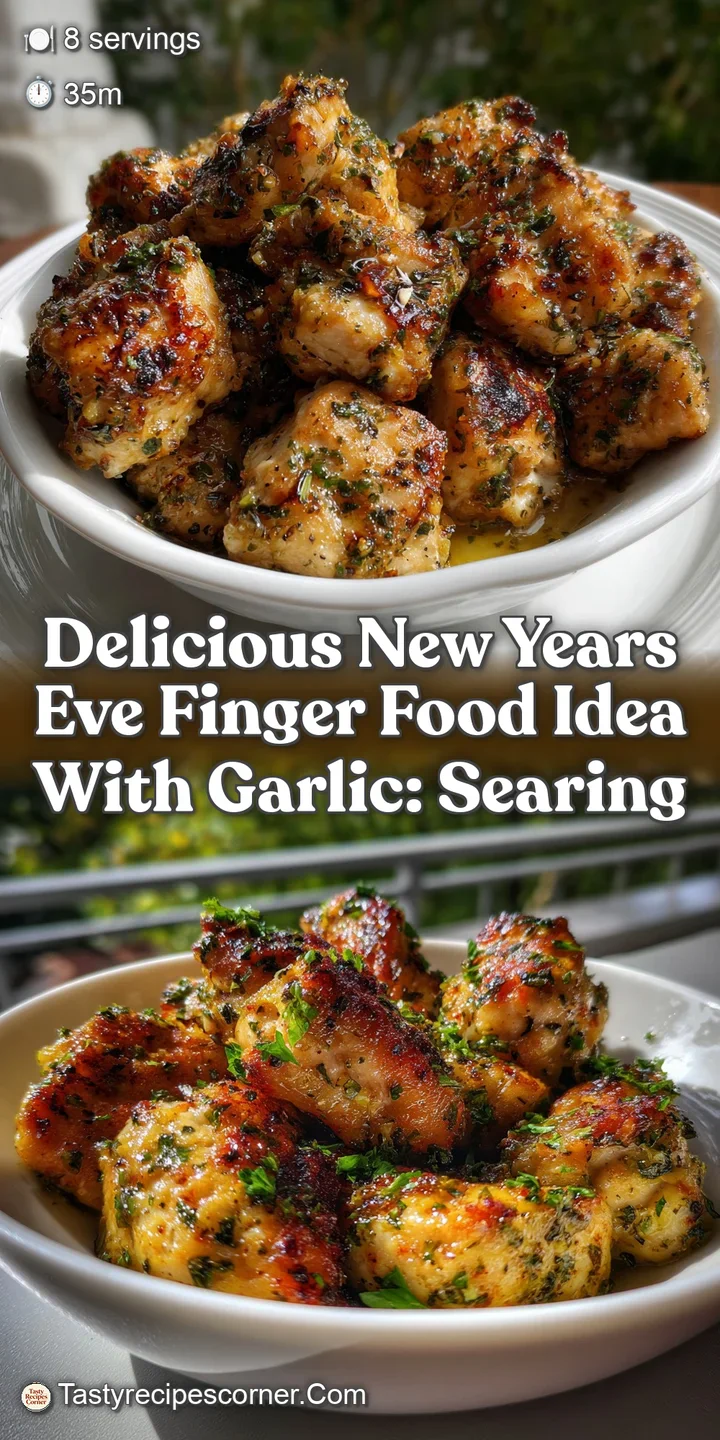
Delicious New Years Eve Finger Food Idea with Garlic

- Effort/Time: 35 minutes total with intermediate searing technique.
- Flavor Hook: Contrast of sharp garlic, woody rosemary, and velvety grass-fed butter.
- Perfect for: Crowd-pleasing appetizers and festive grab-and-go snacking.
- Master the Ultimate Delicious New Years Eve Finger Food Idea with Garlic
- The Molecular Magic of Searing and Aromatics
- Thermal Precision and Preparation Metrics
- The Alchemy of Umami: Selecting Your Elements
- High-Performance Culinary Tools for Heat Retention
- The Precision Protocol for Searing and Glazing
- Managing Protein Denaturation and Common Pitfalls
- Flavor Architecture: Creative Variations and Alternates
- ⚗️ The Scaling Lab: Physics of Batch Cooking
- Preservation Logic and Thermal Recovery
- Presentation Strategies for Your Holiday Gathering
- Recipe FAQs
- 📝 Recipe Card
The Heartbreak of the Rubbery Appetizer
There is nothing worse than biting into a celebratory snack only to find it's as dry as Tennessee sawdust and twice as tough. I’ve seen hosts spend hours on elaborate displays, only for the actual food to be a chewy, bland disappointment that guests politely hide in their napkins.
It’s a waste of good money, high-quality chicken, and the precious time you should be spending with your family.
I once destroyed three pounds of breast meat trying to rush the searing process for a New Year's bash, resulting in a pan full of grey, boiled protein instead of the mahogany crust I promised. I didn't understand the thermodynamics of pan-crowding or the physics of moisture evaporation.
That failure taught me that the difference between a "good snack" and a "masterclass appetizer" is purely a matter of heat management and timing.
The secret to this Delicious New Years Eve Finger Food Idea with Garlic isn't a complex spice blend; it's the Maillard reaction and the science of fat-soluble aromatics. By controlling the surface moisture and utilizing a heavy bottomed skillet, we create a shattering exterior contrast against a velvety, tender center.
We’re going to let the heat do the heavy lifting to unlock a soul warming flavor profile that feels like a hug from a Tennessee kitchen.
Master the Ultimate Delicious New Years Eve Finger Food Idea with Garlic
Get ready to impress with this delicious New Year's Eve finger food idea featuring garlic and herbs, perfect for your party this year. When we talk about holiday appetizers, we want something that sticks to your ribs but remains easy to handle with a toothpick.
This dish is built on the foundation of contrast: the bright, herbaceous punch of fresh rosemary and thyme cutting through the rich, savory depth of grass fed butter.
The Maillard reaction is our primary goal here. When the proteins and sugars in the chicken hit a 350°F surface, they rearrange to create hundreds of new flavor compounds. This isn't just "browning"; it's a fundamental chemical transformation that produces that deep, savory umami we crave.
By using fresh garlic and herbs for your party this year, you ensure those volatile oils are at their peak potency, providing a fragrance that fills the room the moment the pan hits the table.
The Molecular Magic of Searing and Aromatics
- Maillard Reaction: Rapid browning at high temperatures creates complex melanoidins, providing savory depth and a crisp exterior.
- Protein Denaturation: Gentle heat after the initial sear prevents the muscle fibers from tightening into a rubbery texture, maintaining internal juiciness.
- Fat-Soluble Infusion: Essential oils in rosemary and thyme dissolve into the butter, coating the chicken in a uniform layer of flavor.
- Emulsion Stability: Adding cold butter at the end creates a glossy, thick glaze rather than a greasy puddle by preventing the fat from separating.
Thermal Precision and Preparation Metrics
To ensure consistency in your Tennessee kitchen, follow these exact numeric checkpoints. Precision is the difference between a soggy bite and a soul warming masterpiece.
| Metric | Target Value | Why It Matters |
|---|---|---|
| Chicken Cube Size | 1.0 inch (2.54 cm) | Ensures uniform cook time and maximum surface area-to-volume ratio for searing. |
| Initial Pan Temp | 400°F (204°C) | Triggers immediate Maillard reaction without overcooking the center. |
| Internal Temp | 165°F (74°C) | Safety standard that preserves moisture before the fibers squeeze out juices. |
The Alchemy of Umami: Selecting Your Elements
Selecting your ingredients is the first step in building a hearty flavor profile for this Delicious New Years Eve Finger Food Idea with Garlic.
Ingredient Chemistry Breakdown
| Ingredient | Chemical/Physical Role (Science) | The Pro Secret (Why This Matters) |
|---|---|---|
| Kerrygold Unsalted Butter | Fat-in-water emulsion with milk solids | Provides the platform for browning and a velvety mouthfeel. |
| Diamond Crystal Kosher Salt | Osmotic pressure regulator | Draws out surface moisture initially; seasons the deep muscle fibers. |
| Fresh Garlic Cloves | Allicin release via mechanical rupture | Finely mincing maximizes the enzymatic reaction for a pungent, spicy kick. |
| Avocado Oil | High smoke point (520°F) | Allows for high temp searing without the oil breaking down into bitter compounds. |
The Components:
- 1.5 lbs Boneless, skinless chicken breast: Why this? Lean protein provides a clean canvas for the rich garlic herb butter glaze. (Substitute: Chicken thighs for more fat and a more forgiving cook window).
- 1 tsp Diamond Crystal Kosher Salt: Essential for seasoning. (Substitute: Sea salt, but reduce volume by 25%).
- 1/2 tsp Coarse black pepper: Adds a sharp, piquant bite. (Substitute: White pepper for a more floral, subtle heat).
- 2 tbsp Avocado oil: Why this? High smoke point prevents acrid flavors during the initial over high heat sear. (Substitute: Grapeseed oil).
- 4 tbsp Kerrygold Unsalted grass fed butter: Why this? Higher fat content and beta carotene provide a richer flavor and golden hue. (Substitute: Ghee for a nuttier, lactose free option).
- 6 cloves Fresh garlic, finely minced: The backbone of the flavor. (Substitute: 1 tbsp garlic paste for more even distribution).
- 1 tbsp Fresh rosemary, minced: Why this? Woody aromatics stand up to high heat without losing flavor. (Substitute: 1 tsp dried rosemary, crushed).
- 1 tbsp Fresh thyme leaves: Adds a bright, earthy top note. (Substitute: Fresh oregano).
- 2 tbsp Fresh Italian parsley: Provides a clean, grassy finish. (Substitute: Fresh chives).
- 1/4 cup Freshly grated Parmesan cheese: Why this? Adds salty umami and acts as a binder for the herb crust. (Substitute: Pecorino Romano for a sharper, saltier tang).
High Performance Culinary Tools for Heat Retention
You need tools that can handle high thermal mass. A flimsy pan will drop in temperature the second the chicken hits it, leading to steaming instead of searing.
- Lodge 12 inch Cast Iron Skillet: The heavy bottom retains heat better than stainless steel, essential for the Maillard reaction.
- Stainless Steel Tongs: Allows for precise turning of individual cubes to ensure even browning.
- Instant Read Digital Thermometer: The only way to guarantee the chicken reaches exactly 165°F without going over.
- Chef's Knife (8 inch): A sharp blade ensures clean cuts through the chicken fibers, preventing tearing.
The Precision Protocol for Searing and Glazing
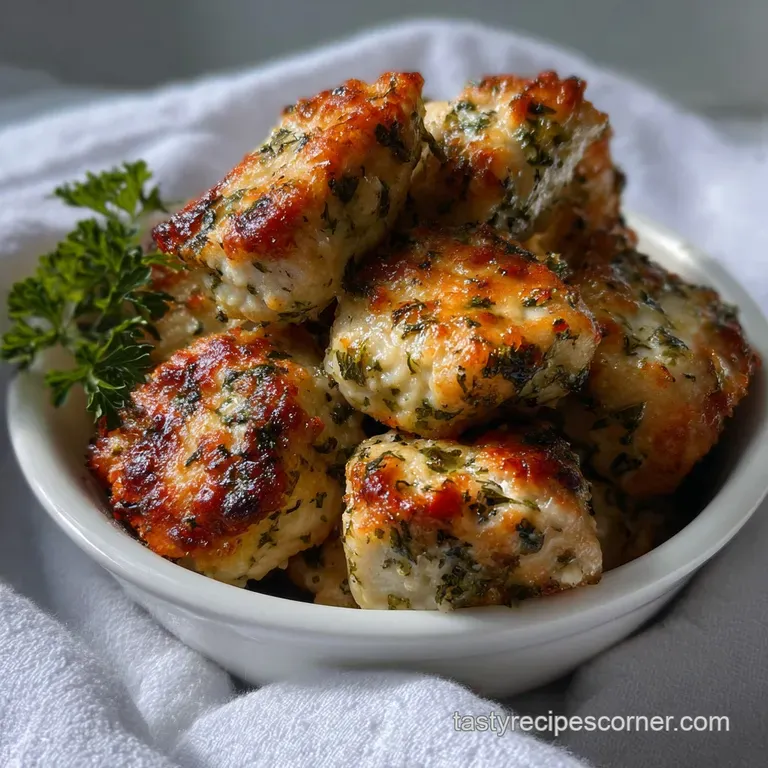
1. Preparation and Seasoning
Pat the 1.5 lbs of chicken cubes bone dry with paper towels.Note: Surface moisture is the enemy of the sear; it must evaporate before browning can begin.
Toss the chicken with 1 tsp Kosher salt and 1/2 tsp black pepper in a bowl.Note: Immediate seasoning allows the salt to begin breaking down surface proteins for a better crust.
2. over High heat Searing
Heat 2 tbsp avocado oil in the Lodge skillet over medium high heat for 3 minutes until a faint wisp of smoke appears. Note: This indicates the oil has reached its Leidenfrost point, ensuring the chicken won't stick.
Place chicken cubes in the pan in a single layer, ensuring they do not touch.Note: Overcrowding drops the pan temperature and causes the meat to steam in its own juices.
Sear undisturbed for 3 minutes until the bottom edges are dark mahogany and the meat releases easily from the pan. Note: If the meat resists, the Maillard crust hasn't fully formed yet.
Flip and cook for another 2 3 minutes until the second side is browned and the centers are almost opaque.
3. Infusing the Garlic Butter
Reduce heat to medium and add 4 tbsp unsalted butter to the center of the pan.Note: Lowering the heat prevents the milk solids in the butter from burning.
Toss in 6 cloves minced garlic, 1 tbsp rosemary, and 1 tbsp thyme leaves once the butter foams.Note: Foaming butter indicates the water is evaporating, making room for the herb oils to infuse.
Spoon the foaming butter over the chicken for 2 minutes until the garlic is fragrant and pale golden.
4. Finishing and Glazing
Remove from heat immediately when the chicken reaches an internal temperature of 160°F. Note: Carryover cooking will bring the internal temperature to the safe 165°F mark.
Stir in 2 tbsp chopped parsley and 1/4 cup Parmesan cheese until a creamy glaze forms.Note: The residual heat melts the cheese and emulsifies it with the butter and chicken juices.
Rest the bites for 5 minutes before serving to allow the juices to redistribute.
Managing Protein Denaturation and Common Pitfalls
Understanding why things go wrong is as important as knowing how to do them right. Most issues with this Delicious New Years Eve Finger Food Idea with Garlic stem from temperature mismanagement.
Why Your Chicken is Rubbery
When chicken is cooked too slowly or overcooked, the muscle fibers (actin and myosin) tighten excessively, squeezing out all internal moisture. This process, called protein denaturation, is irreversible once it goes too far. You’re left with a texture reminiscent of a pencil eraser.
| Problem | Root Cause | The Fix | Pro Protocol |
|---|---|---|---|
| Soggy, Grey Meat | Pan overcrowding | Cook in two batches | Ensure at least 1/2 inch of space between each cube. |
| Acrid, Bitter Taste | Burnt garlic | Add garlic only at the end | Garlic burns at 350°F; only add once the meat is 90% cooked. |
| Tough, Dry Texture | Overcooking | Use a thermometer | Pull the meat at 160°F and let carryover heat finish the job. |
Myth vs. Fact
Myth: You should wash chicken before cooking to remove bacteria. Truth: Washing chicken splashes bacteria across your kitchen surfaces. High heat (165°F) is the only scientific way to kill pathogens.
Myth: Butter is the best oil for searing chicken. Truth: Butter has a low smoke point (350°F) because of its milk solids. Use a high smoke point oil for the sear, then add butter for flavor at the end.
Flavor Architecture: Creative Variations and Alternates
While this Delicious New Years Eve Finger Food Idea with Garlic is a classic, you can adjust the flavor profile to suit your crowd. If you're looking for something with a different texture, you might consider how the snap of a Homemade Beef Sausage recipe provides a similar satisfying bite.
Variation Decision Shortcut
- If you want a Bright/Zesty finish: Add the zest of one lemon and 1 tsp of red pepper flakes during the butter infusion.
- If you want a Smoky/Deep profile: Swap the rosemary for smoked paprika and a touch of cumin.
- If you want a dairy-free option: Use 4 tbsp of Ghee or a high-quality vegan butter substitute (note: flavor will be less "soul warming" but still savory).
| Original Ingredient | Substitute | Why It Works |
|---|---|---|
| Chicken Breast | Pork Tenderloin | Similar lean protein structure; requires slightly longer rest. |
| Rosemary | Sage | Sage has a similarly hardy, earthy profile that pairs beautifully with garlic. |
| Parmesan | Nutritional Yeast | Provides a similar umami/nutty profile for a dairy-free variation. |
⚗️ The Scaling Lab: Physics of Batch Cooking
When you double this recipe for a larger Years Eve Finger Food Idea with Garlic and Herbs for Your Party This Year, you cannot simply double everything and throw it in one pan.
- Pan Crowding (Maillard Killer): Doubling the chicken in one 12 inch skillet will cause the temperature to plummet. The chicken will release its moisture, and instead of searing at 400°F, it will simmer at 212°F. Mandatory Protocol: Cook in batches or use two separate skillets.
- The Evaporation Paradox: When doubling a sauce or glaze, the surface area of your pan often stays the same while the volume of liquid increases. This means evaporation takes longer. For this recipe, reduce the added butter by about 10% when doubling to prevent the bites from becoming overly greasy.
- Carry Over Cooking: A larger mass of hot chicken in a serving bowl will retain heat longer. If you're making a massive batch, pull the chicken 5°F earlier (at 155°F) because the collective thermal mass will continue to cook the centers more aggressively than a single serving would.
- Flavor Saturation: While you double the chicken, only scale the salt and spices to 1.5x initially. You can always adjust the seasoning at the end, but salt compounds accumulate in a way that can quickly become overwhelming in larger volumes.
Preservation Logic and Thermal Recovery
If you have leftovers from your New Years Eve Finger Food Idea with Garlic and Herbs for Your Party This Year, storage is simple.
- Fridge: Store in an airtight container for up to 4 days.
- Freezing: This recipe freezes remarkably well. Freeze the cooked cubes on a parchment lined tray first, then transfer to a freezer bag. This prevents them from clumping. Store for up to 3 months.
- Reheating: Avoid the microwave it turns the chicken into rubber. Instead, use a toaster oven at 350°F for 8 minutes or toss them back into a hot skillet with a teaspoon of water and a lid for 3 minutes to steam heat them through.
Zero Waste Philosophy
Don't discard those herb stems! Transform: Throw the woody rosemary and thyme stems into a pot of water to simmer for a stovetop potpourri, or add them to your next batch of bone broth. Science: The stems contain the same aromatic essential oils as the leaves, just in a more fibrous structure. If you have extra Parmesan rinds, toss them into a hearty Venison Chili Recipe to add a layer of salty umami.
Presentation Strategies for Your Holiday Gathering
To serve this Delicious New Years Eve Finger Food Idea with Garlic, think about contrast in your display. Use a dark wooden board or a slate platter to make the golden brown chicken and vibrant green parsley pop.
Stovetop vs. Oven Comparison
| Method | Resulting Texture | Why Choose This? |
|---|---|---|
| Stovetop (Our Method) | Shattering crust, juicy center | Maximum flavor development via direct contact Maillard reaction. |
| Oven (Sheet Pan) | Uniformly tender, softer exterior | Better for massive crowds when you can't stand over a stove. |
For a complete holiday spread, consider how these savory bites contrast with a bright, acidic side. These garlic and herbs for your party this year pair perfectly with a crisp vegetable tray or even a bowl of tangy pickles. The goal is to keep the palate refreshed between the rich, buttery bites.
As you wrap up your prep, remember that this Years Eve Finger Food Idea with Garlic and Herbs for Your Party This Year is about more than just the food. It's about that soul warming feeling of sharing something hearty and homemade with the people you love. Whether you're serving these as the main event or a side to an American Chop Suey recipe, they are guaranteed to disappear faster than the countdown to midnight. Happy cooking!
Recipe FAQs
Appetizers for New Years Eve Party Pinterest?
Yes, this garlic chicken satisfies Pinterest appetizer criteria. Its high contrast sear and rich, buttery finish make it visually appealing and fork friendly for any grab and-go event.
Elegant New Year's Eve appetizers?
Cold butter added to hot liquid causes protein clumping. Temperature shock denatures casein proteins, creating grainy texture instead of smooth emulsion.
- Remove pan from heat first
- Add cheese in small handfuls
- Use fresh grated Gruyère (pre-shredded has cellulose coating)
make-ahead New Year's Eve appetizers?
Yes, freeze cooked cubes individually first. Freezing separates the pieces, preventing clumping and preserving the sear when reheated in a toaster oven or skillet.
New Year's Eve cocktail party menu?
Avocado oil for initial searing. Butter has low smoke point due to milk solids, causing bitterness when overheated. Avocado oil allows for the necessary high heat Maillard reaction.
New Year's Eve appetizers easy?
35 minutes total active time. Achieving the mahogany crust requires focus during the sear, but the simple ingredient list keeps prep manageable.
Can I use chicken thighs instead of breast?
Chicken thighs retain moisture better. Thigh meat has higher fat content, which makes it more forgiving during the high heat sear phase compared to lean breast meat.
Myth Buster: Does searing require high-quality butter?
Myth: Butter quality matters less since it’s just for flavor. Reality: Grass fed butter offers superior fat content and beta carotene, resulting in a richer color and better emulsion stability when glazing.
Garlic Chicken Bites For Nye
Ingredients:
Instructions:
Nutrition Facts:
| Calories | 242 kcal |
|---|---|
| Protein | 27g |
| Fat | 13g |
| Carbs | 1.3g |
| Fiber | 0.2g |
| Sugar | 0.1g |
| Sodium | 358mg |
