Espresso Martini Mousse Recipe
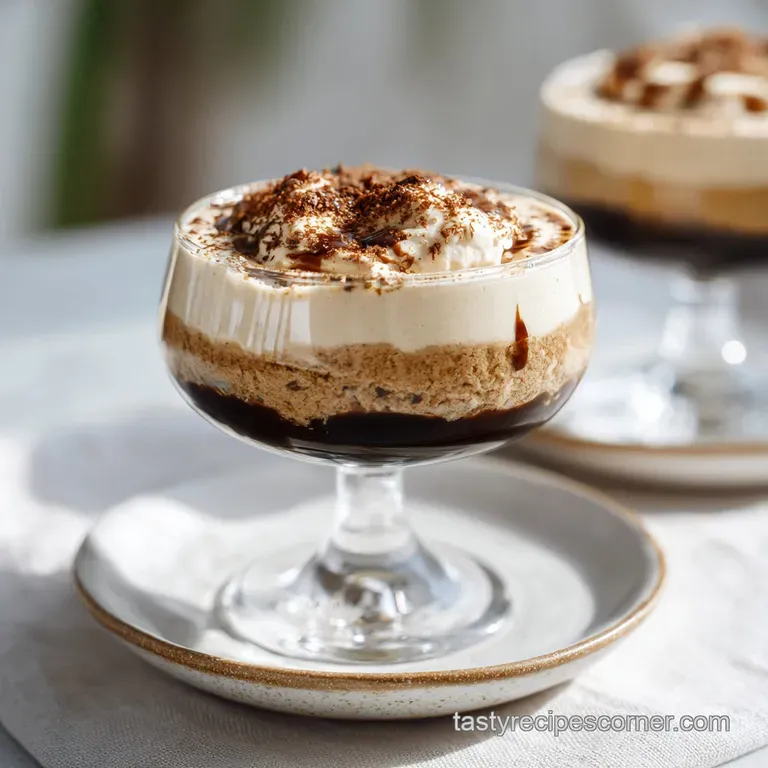
- Time: Active 20 minutes, Passive 2 hours, Total 2 hours 20 mins
- Flavor/Texture Hook: A velvety, coffee infused cream topped with a sharp, snowy foam
- Perfect for: Elegant dinner parties or a sophisticated alternative to a standard nightcap
- Master the Ultimate Espresso Martini Mousse
- The Physics of the Velvet Fold
- Elements for a Coffee Cloud
- Tools for a Silky Texture
- Guide to Crafting Elegant Layers
- Troubleshooting for a Flawless Finish
- Variations for a Personal Touch
- Guidelines for Storage and Freezing
- Elegant Pairings for Your Dessert
- Myths About This Mousse
- Recipe FAQs
- 📝 Recipe Card
Master the Ultimate Espresso Martini Mousse
Imagine the clink of a spoon against a chilled glass, followed by the sight of dark, rich coffee cream topped with a snowy, stiff foam. The first time I tried to make this, I didn't respect the physics of the alcohol.
I just poured vodka straight into the cream, and it turned into a soupy mess that wouldn't hold its shape for a second. It was a humbling moment for a home cook who thought she knew her way around a whisk.
But that failure led me to the secret of the mascarpone bridge. You see, this isn't just a coffee flavored whipped cream. It's an architecture of air and fat that mimics the exact sensation of a freshly shaken martini.
The bitterness of the espresso powder cuts right through the richness of the cheese, while the vodka adds that unmistakable, sharp clarity on the finish. It’s elegant, impressive, and, honestly, a little bit dangerous because of how light it feels on the tongue.
We’ve all had those heavy, gummy puddings that claim to be mousse. This isn't that. This is a celebration of texture where the bottom layer is dense and dark, and the top layer mimics that iconic cocktail "head." It looks like it took you all day in a professional pastry kitchen, but between you and me, the fridge does most of the heavy lifting.
Let's get into how we make this happen without it collapsing into a puddle.
The Physics of the Velvet Fold
The Bloom Mechanism: Dissolving the espresso powder in the alcohol first ensures a deep, uniform flavor without any gritty texture.
The Mascarpone Bridge: This dense cheese provides a fat stabilized network that supports the air bubbles in the whipped cream, preventing the mousse from weeping.
The Ethanol Impact: Alcohol lowers the freezing point and softens the fat, creating a mouthfeel that is silky rather than greasy.
| Method | Prep Time | Texture Result | Best For |
|---|---|---|---|
| Hand Whisked | 15 minutes | Airy and light | Quick family dinners |
| Stand Mixer | 8 minutes | Stiff and structured | Dinner party presentation |
| Food Processor | 5 minutes | Dense and fudge like | Tart fillings |
If you’re looking for a dessert that feels as sophisticated as this one but requires zero chilling time, you might want to try my Coffee Loophole recipe for a quick energy packed bite. It uses many of the same flavor profiles but in a solid, snackable form.
Elements for a Coffee Cloud
| Ingredient | Science Role | Pro Secret |
|---|---|---|
| Mascarpone Cheese | Structural Base | Keep at room temperature to prevent "curdling" lumps when mixing. |
| Heavy Whipping Cream | Aeration Agent | Use a chilled bowl to ensure the fat stays solid while trapping air. |
| Instant Espresso | Flavor Intensity | Sift the powder to ensure it dissolves instantly in the liqueur. |
Right then, let's look at what you need to grab from the pantry. For the most velvety result, don't skimp on the fat content here.
- 1.5 oz premium vodka Why this? Provides the sharp cocktail finish without adding extra sweetness.
- 1.5 oz coffee liqueur Why this? Adds depth and rounds out the bitterness of the espresso.
- 2 tbsp instant espresso powder
- 4 oz mascarpone cheese, softened
- 0.5 cup powdered sugar, sifted
- 1 cup heavy whipping cream, chilled (for the base)
- 0.5 cup heavy whipping cream, chilled (for the foam layer)
- 1 tbsp powdered sugar (for the foam layer)
- 0.5 tsp pure vanilla extract
- 12 whole roasted coffee beans
- 1 tsp unsweetened cocoa powder
| Original Ingredient | Substitute | Why It Works |
|---|---|---|
| Mascarpone Cheese | Cream Cheese (full fat) | Similar structure. Note: Adds a slight tang that changes the profile. |
| Coffee Liqueur | Cold Brew Concentrate | Non alcoholic alternative. Note: Lacks the viscosity and sweetness of liqueur. |
| Powdered Sugar | Granulated Sugar | It works but requires more mixing. Note: Can leave a slightly grainy texture. |
Tools for a Silky Texture
To get that professional finish, you’ll want a few specific bits of kit. A stand mixer is your best friend here because it provides the consistent speed needed to build those stiff peaks without your arm falling off. If you don't have one, a sturdy hand mixer works just as well.
I also highly recommend using a fine mesh sieve for the cocoa powder at the end; otherwise, you'll end up with clumps that look like dirt rather than a refined dusting.
You'll also need four martini glasses or small glass ramekins. The transparency is key because seeing that distinct white foam layer on top of the dark coffee base is half the fun. A small rubber spatula is also essential for folding the whipped cream into the mascarpone.
If you stir too vigorously, you'll knock all the air out, and you'll be left with a dense cream instead of a true mousse.
Chef’s Tip: Freeze your whisk attachment and mixing bowl for 10 minutes before you start. Cold equipment helps the fat in the heavy cream stabilize faster, resulting in a much more voluminous and stable foam.
Guide to Crafting Elegant Layers
The Concentrated Infusion
Combine the 1.5 oz vodka, 1.5 oz coffee liqueur, and 2 tbsp instant espresso powder in a small bowl. Stir vigorously until the powder is completely dissolved and no granules remain. This creates the flavor base that will be folded into our fats.
The Base Aeration
In a large bowl, whisk the 4 oz softened mascarpone with 0.5 cup sifted powdered sugar. Start slow, then increase the speed until the mixture is pale and smooth. Be careful not to overbeat, or the cheese can begin to separate and turn buttery.
The Layered Assembly
In a separate chilled bowl, whip 1 cup of heavy cream until stiff peaks form. Gently fold one third of this cream into the mascarpone mixture to lighten it. Then, slowly fold in the espresso infusion followed by the remaining whipped cream until the color is uniform and the texture is airy.
Creating the Martini Foam
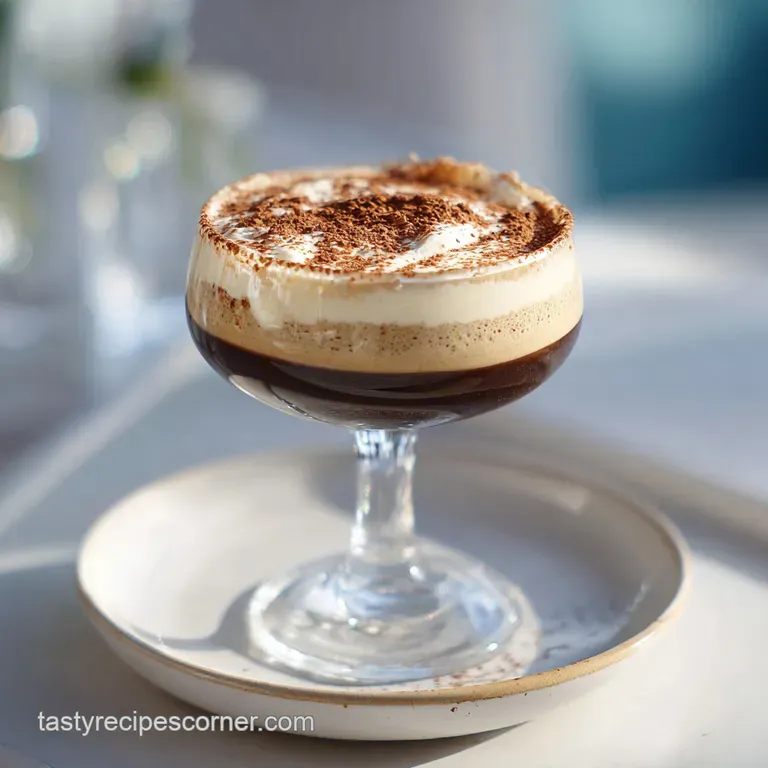
For the top layer, whip the remaining 0.5 cup heavy cream with 1 tbsp powdered sugar and 0.5 tsp vanilla extract. Continue whisking until it reaches a thick, pourable consistency that resembles the head of a freshly shaken cocktail.
The Finishing Touch
Divide the mousse base into four glasses, leaving about an inch of space at the top. Chill for 2 hours. Just before serving, spoon the white foam layer on top and garnish each with 3 coffee beans and a light dusting of cocoa powder.
For another decadent treat that uses a similar whipped approach, you might enjoy my Mudslide Drink recipe. It’s essentially the liquid cousin to this mousse and works perfectly for those nights when you want the flavor without the wait time for chilling.
Troubleshooting for a Flawless Finish
Why Your Mousse is Runny
The most common culprit for a soupy mousse is either over mixing or under whipping the cream. If you fold too aggressively, the air bubbles collapse. Also, if your mascarpone was too cold when you started, it won't incorporate properly with the liquid espresso, causing the whole structure to fail.
| Problem | Root Cause | Solution |
|---|---|---|
| Grainy Texture | Sugar or espresso not dissolved | Sift sugar and whisk espresso into liqueur before adding to fats. |
| Mousse Collapsing | Over folding the cream | Use a "cut and fold" motion with a spatula, not a whisk. |
| Lumpy Base | Cold mascarpone | Ensure cheese is at room temp for at least 30 minutes before mixing. |
Elimination of Bitter Aftertaste
If the coffee flavor feels a bit too "burnt" or bitter, it’s usually because the espresso powder wasn't balanced by enough sugar. You can fix this by adding a tiny pinch of salt to the base. Salt suppresses bitter receptors on our tongue and makes the coffee flavor taste "cleaner."
Common Mistakes Checklist: ✓ Pat all equipment dry - even a drop of water can stop cream from peaking. ✓ Sift your powdered sugar - lumpy sugar creates a gritty mouthfeel. ✓ Don't add the alcohol all at once - drizzle it in slowly while folding.
✓ Let the mousse chill for the full 2 hours - the fat needs time to re solidify.
Variations for a Personal Touch
If you want to shake things up, try a Salted Caramel version. Drizzle a tablespoon of high-quality caramel sauce into the bottom of the glass before adding the mousse. The saltiness complements the coffee notes beautifully.
Another trick is to use a flavored vodka, like vanilla or even whipped cream vodka, to lean into the sweeter side of the dessert.
For those who need a dairy-free option, you can swap the mascarpone for a thick coconut cream (the solid part from the top of the can) and use a vegan whipped topping. The texture will be slightly softer and will have a subtle tropical note, but it still holds the espresso flavor magnificently.
Decision Shortcut
- If you want a sharper cocktail kick, increase the vodka by 0.5 oz and reduce the liqueur.
- If you want a sweeter, kid friendly version (minus the booze), replace the alcohol with cold decaf coffee.
- If you want a sturdier mousse for a cake filling, add 1 tsp of unflavored gelatin dissolved in warm water to the base.
Guidelines for Storage and Freezing
This Espresso Martini Mousse is a champion of the make-ahead world. You can store it in the fridge for up to 3 days, though the foam layer might lose a bit of its volume after 24 hours.
I usually keep the base and the foam separate if I'm prepping way in advance, then assemble them right before the guests arrive.
As for freezing, you can actually turn these into "Martini Semifreddos." Freeze the assembled glasses for about 4 hours. The alcohol prevents it from freezing rock solid, so you get a texture that’s halfway between a mousse and an ice cream.
Just let them sit on the counter for 5 minutes before serving so they soften slightly and you don't "shatter" the glass with a cold spoon.
Zero Waste Tip: If you have leftover mascarpone, don't let it sit in the fridge to die. Whisk it with a little honey and spread it on toast, or dollop it into a bowl of pasta for an instant creamy sauce. The coffee beans used for garnish can also be ground up for your morning brew!
Elegant Pairings for Your Dessert
Since this is a rich, coffee heavy dish, it pairs beautifully with something crisp or tart. A side of almond biscotti provides a wonderful crunch that contrasts the velvety mousse. If you're serving this at a New Year's party, it pairs naturally with the bubbly acidity of champagne.
For a truly "wow" presentation, serve it alongside a small glass of the actual cocktail. It creates a fun "deconstructed" experience for your guests. If you need more inspiration for your next gathering, check out this New Year Party recipe which also leans into that festive, boozy dessert vibe.
Myths About This Mousse
Many people think that you need gelatin to make a mousse stand up. That’s simply not true if you have enough fat and air. The mascarpone does the heavy lifting here. Another myth is that you can't use "cheap" vodka.
While you don't need the most expensive bottle on the shelf, a bottom shelf vodka will leave a medicinal aftertaste that the coffee can't hide. Use something you would actually be happy to drink in a glass.
Finally,, there's a belief that you must use fresh espresso. Honestly, for mousse, instant espresso powder is often better because it provides a concentrated flavor without adding too much liquid, which would jeopardize the stability of your peaks. Trust me, the powder is your friend here!
Recipe FAQs
Can I substitute cream cheese for the mascarpone in this mousse?
Yes, but the texture will change. Cream cheese is structurally similar but it will introduce a noticeable tanginess, shifting the flavor profile away from the traditional rich dessert taste.
How to achieve the signature coffee flavor without a gritty texture?
Dissolve the instant espresso powder in the alcohol first. This "blooming" step ensures the granules fully liquefy into the vodka and liqueur before being incorporated into the fats, guaranteeing a smooth integration.
Why did my mousse collapse after I refrigerated it for an hour?
You likely over folded the whipped cream into the mascarpone base. Aggressive stirring knocks the air out of the emulsion; use a gentle cut-and-fold technique to maintain the structural integrity provided by the fat.
How long can I safely prepare this mousse ahead of a dinner party?
Prepare the base up to 24 hours in advance. For the best texture, keep the mousse base and the final foam layer separate until about one hour before serving to keep the foam peaks stiff.
Is it true that using a stand mixer makes this recipe too dense?
No, the mixer itself isn't the issue; the speed is. Use low to medium speed when incorporating the cream into the mascarpone to build stable air pockets, much like when you are learning the texture control required for our Galentines Party Food recipe.
What is the best method for chilling the equipment before whipping the cream?
Place your mixing bowl and whisk attachment in the freezer for 10 minutes. Cold metal helps the fat globules in the heavy cream stabilize rapidly, leading to quicker whipping and a more voluminous final foam.
Can I freeze this mousse for future enjoyment?
Yes, it freezes well, turning into a semifreddo texture. The alcohol content keeps it from becoming rock solid, but allow it to temper on the counter for about 5 minutes before serving to prevent texture shock.
Espresso Martini Mousse
Ingredients:
Instructions:
Nutrition Facts:
| Calories | 548 calories |
|---|---|
| Protein | 3.2 g |
| Fat | 44.2 g |
| Carbs | 27.4 g |
| Fiber | 0.4 g |
| Sugar | 25.1 g |
| Sodium | 28 mg |
