Easy Cooking Turkey Sausage: 30-Minute Breakfast Win
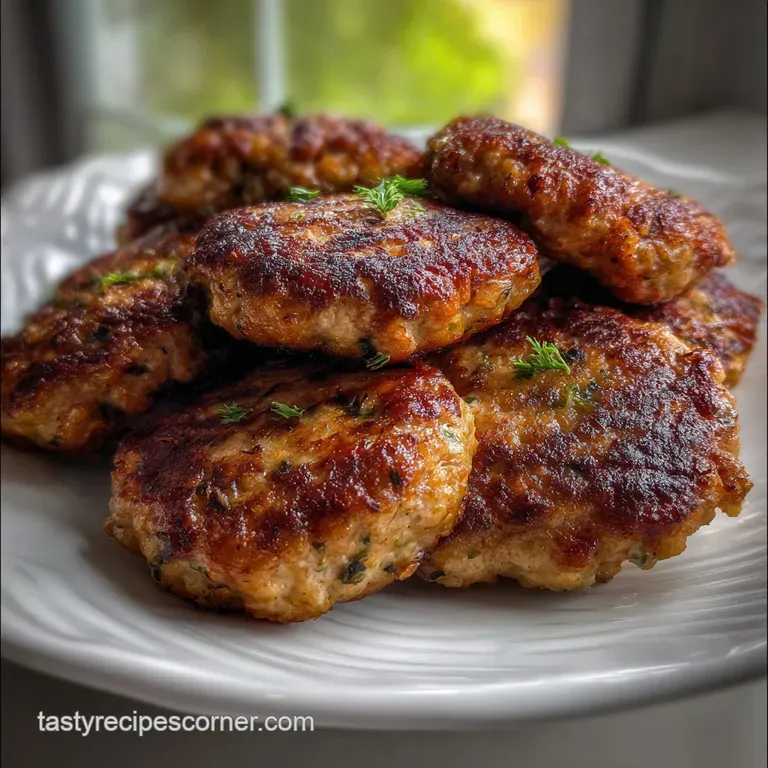
- Effort/Time:10 minutes of prep and 20 minutes of cooking for a total 30 minute breakfast win.
- Key Flavor Hook: A potent blend of rubbed sage and smoked paprika creates that classic "old-school diner" nostalgia.
- Perfect for: High-protein meal-prep, healthy family brunches, or a quick-start weekday morning.
- Master the Art of Cooking Turkey Sausage: The Ultimate Juicy Patties Recipe
- Why This Homemade Recipe Works: Flavor and Texture Science
- Essential Ingredients and Healthy Substitutions
- Step-by-Step Guide to Cooking Turkey Sausage: 3 Proven Methods
- Pro Tips to Avoid Common Cooking Mistakes
- Common Myths
- Storage, Reheating, and Freezing Guidelines
- Creative Serving Suggestions for Any Time of Day
- Mastering Turkey Sausage FAQs
- 📝 Recipe Card
Master the Art of Cooking Turkey Sausage: The Ultimate Juicy Patties Recipe
Listen, I’ve been through the "dry turkey" trenches so you don’t have to. You know exactly what I’m talking about those rubbery, grey pucks that taste like seasoned cardboard.
For years, I avoided cooking turkey sausage at home because I thought the lack of fat meant a lack of flavor. I was wrong. It turns out, I just wasn't treating the meat with the respect it deserved.
One morning, after a particularly tragic encounter with a store-bought brand that was basically a sodium bomb, I decided to hack the process.
The secret isn't just in the spices (though the sage and smoked paprika do heavy lifting); it’s in the technique. When you’re cooking turkey sausage, you’re working with a very lean protein that can turn on you in seconds if the heat is too high or the binder is missing.
I started experimenting with different fat ratios and settled on the 93% lean ground turkey. It has just enough fat to carry the flavors of the garlic and onion powder without leaving your kitchen smelling like a deep fryer.
There is something so satisfying about the sizzle of a cold patty hitting a hot Lodge Cast Iron Skillet. The smell of dried thyme and rubbed sage blooming in the heat is better than any candle you can buy.
Whether you’re tucking these into a toasted English muffin or serving them alongside some jammy eggs, this recipe is the one your friends will text you for. It's clean, it’s fast, and it actually tastes like real food. Let’s get into the nitty gritty of how to make this work in your own kitchen.
Why This Homemade Recipe Works: Flavor and Texture Science
Cooking turkey sausage at home works because it utilizes the Maillard reaction and protein denaturing to create a savory "umami" profile that lean meats often lack.
By adding salt and a small amount of liquid (maple syrup), you create a brine like effect that locks moisture into the turkey’s muscle fibers before they contract during cooking.
The Health Benefits of Lean Poultry Protein
Choosing turkey over pork isn't just about cutting calories; it's about the quality of the macro nutrients you're fueling your body with. Ground turkey is a powerhouse of Vitamin B6 and B12, which are essential for energy metabolism exactly what you need first thing in the morning.
When we focus on cooking turkey sausage using 93% lean meat, we are hitting that sweet spot where we get 14.2 grams of protein per serving while keeping the saturated fat significantly lower than traditional links.
Beyond the numbers, the digestibility of turkey is often better for those with sensitive stomachs. Because we are controlling the ingredients, we avoid the "mystery fillers" often found in commercial sausages.
You aren't just eating protein; you're eating a clean, intentional meal that supports muscle recovery and keeps you satiated until lunch.
Homemade vs. store-bought: Quality Control
The biggest issue with store-bought turkey sausage is the hidden sugar and astronomical sodium levels used to mask the blandness of cheap meat. When you take the reins and start cooking turkey sausage yourself, you are the executive chef of your health.
You get to choose Extra Virgin Olive Oil over inflammatory seed oils, and you can use real Pure Maple Syrup instead of high fructose corn syrup.
On top of that,, the texture of homemade patties is infinitely superior. Mass produced sausages are often "finely textured" (a polite way of saying pulverized into a paste), which results in a bouncy, hot-dog-like consistency.
By gently mixing the ground turkey by hand, you maintain the natural grain of the meat, leading to a "shatter crisp" exterior and a juicy, tender bite that feels like a real burger.
The Secret to Moisture Retention in Lean Meat
The physics of cooking turkey sausage hinges on one major challenge: turkey has very little "marbling." To fix this, we use a two-prong approach of "fat-mimicry" and "capillary action." The addition of Extra Virgin Olive Oil directly into the meat mixture provides the lubrication that
the lean turkey lacks, ensuring the protein strands don't fuse into a dry brick.
The second secret is the maple syrup. Sugar is hygroscopic, meaning it attracts and holds onto water molecules. As the sausage cooks, the syrup helps create a barrier that prevents the juices from evaporating. This is why these patties stay juicy even if they sit on a warming plate for ten minutes. If you’re looking for a beefier alternative, you might also enjoy my Beef Sausage Breakfast: Juicy Patties in 25 Minutes for those mornings when you want a different protein profile.
Balancing Traditional Herbs for Authentic Flavor
The "sausage" flavor we all crave isn't actually the meat it's the herb profile. Rubbed sage is the undisputed king here. Unlike ground sage, which can be bitter and dusty, rubbed sage is light, fluffy, and aromatic.
It provides that earthy, floral backbone that screams "breakfast." We pair this with smoked paprika to give the illusion of a wood fired grill, even if you’re just using a standard stovetop.
Black pepper and red pepper flakes add a layered heat. The black pepper hits the back of the throat with a slow burn, while the red pepper flakes provide a sharp, occasional zing. When these spices meet the garlic and onion powder, they create a balanced, savory bouquet that makes the turkey taste significantly more complex than it is.
Essential Ingredients and Healthy Substitutions
To master cooking turkey sausage, you need a balance of lean protein, high-quality fats, and potent aromatics. Using 1 lb of 93% lean ground turkey ensures the patties remain moist without being greasy, while Extra Virgin Olive Oil and Pure Maple Syrup provide the necessary fat and moisture binding properties.
Selecting the Best Ground Turkey Blend
Don't reach for the 99% fat-free turkey breast unless you want to eat a pencil eraser. For the best results in cooking turkey sausage, the 93% lean / 7% fat blend is your best friend.
That 7% of fat is crucial; it renders out during the cooking process to create the "sizzle" and helps brown the exterior. If your grocery store only has the ultra lean stuff, you'll need to double the oil in the recipe to compensate.
Also, look for "ground turkey" rather than "ground turkey breast." The mix of dark and white meat in standard ground turkey provides a much deeper flavor and a better "mouthfeel." If you can find organic or pasture raised turkey, the flavor is noticeably cleaner and less "gamey."
Aromatic Herbs and Spices for Zesty Italian Flavor
While this recipe leans toward a classic American breakfast profile, you can easily pivot. The rubbed sage and thyme are what give it that traditional vibe. However, if you want a Zesty Italian version, you would swap the sage for dried oregano and double the garlic powder.
The Smoked Paprika is a non-negotiable for me it adds a gorgeous copper color to the patties that makes them look professionally catered.
I always recommend using Kosher Salt (like Diamond Crystal) because the larger grains make it harder to over salt the meat compared to fine table salt. If you're watching your sodium, you can reduce the salt by half, but keep in mind that salt is also a functional ingredient that helps the meat stick together.
Binder Options: Going gluten-free or Low-Carb
This recipe is naturally gluten-free because it doesn't use breadcrumbs. However, if you find your turkey is particularly wet or difficult to handle, you can add a binder. Most people think they need flour, but that can make the sausages gummy.
Instead, a tablespoon of almond flour or even a few crushed pork rinds can help hold things together without changing the flavor profile.
| Original Ingredient | Best Substitute | Why It Works |
|---|---|---|
| 1 lb Ground Turkey | Ground Chicken | Provides a similar lean protein profile. Note: Chicken is even more mild, so you may want to increase the sage by 0.5 tsp. |
| 1 tbsp Pure Maple Syrup | Brown Sugar or Monk Fruit Sweetener | Provides the necessary sweetness for the Maillard reaction. Note: Monk fruit will keep it Keto friendly but lacks the "sticky" moisture binding of syrup. |
| 2 tsp Rubbed Sage | Poultry Seasoning | Contains sage as the primary ingredient along with rosemary and marjoram. Note: Results in a more "stuffing like" flavor. |
| 1 tbsp Extra Virgin Olive Oil | Avocado Oil | High smoke point and neutral flavor. Note: Great for over high heat searing but lacks the fruity notes of olive oil. |
| 1 tsp Smoked Paprika | Liquid Smoke (2 drops) | Provides that essential smoky depth. Warning: Very potent; use sparingly to avoid a "chemical" aftertaste. |
step-by-step Guide to Cooking Turkey Sausage: 3 Proven Methods

Success in cooking turkey sausage requires a gentle hand during the mixing phase and precise temperature control during the cooking phase. You want to cook the patties until they reach an internal temperature of 165°F (74°C) using an Instant read Digital Thermometer to ensure they are safe to eat but still dripping with juice.
Method 1: Pan-Searing Golden Brown Patties
- 1. The Mix
- In a large stainless steel mixing bowl, combine the 1 lb ground turkey, olive oil, salt, pepper, sage, thyme, paprika, garlic powder, onion powder, maple syrup, and red pepper flakes. Use your hands to gently fold the ingredients together. Do not overwork the meat!
- 2. The Portion
- Divide the mixture into 12 equal portions. Roll them into balls and then flatten them into discs about 1/2 inch thick. Pro Tip: Use your thumb to make a slight indent in the center of each patty this prevents them from bulging into footballs as they cook.
- 3. The Sear
- Heat 1 tsp of vegetable oil in a large KitchenAid Non-stick Skillet or cast iron pan over medium heat.
- 4. The Sizzle
- Place patties in the pan (don't crowd them!). Cook for 4 5 minutes per side. You’re looking for a deep, golden brown crust.
- 5. The Finish
- Once they hit 165°F, remove them immediately. For more detailed skillet tips, check out my guide on How To Cook Turkey Sausage On The Skillet: Juicy Crispy.
Method 2: Oven Baking for Efficient Meal Prep
If you’re wondering, can you bake turkey sausage, the answer is a resounding yes! This is the best method if you’re making a double batch for the week. 1. Preheat your oven to 400°F (200°C). 2. Line a large rimmed baking sheet with parchment paper. 3. Arrange the 12 patties on the sheet, leaving an inch between them. 4. Bake for 15 18 minutes, flipping halfway through. The Trade off: You won't get the same intense crust as the skillet method, but the sausage will be incredibly uniform and tender. This is perfect for something like my Breakfast Casserole: The Overnight Sourdough Sausage Bake.
Method 3: Stovetop Crumbles for Sauces and Scrambles
Sometimes you don't want patties; you want crumbles for a pasta sauce or a breakfast hash. 1. Heat your skillet over medium high heat with the vegetable oil. 2. Add the seasoned turkey mixture to the pan in one large piece. 3. Let it sear undisturbed for 2 minutes to develop flavor. 4.
Use a wooden spoon or a meat masher to break the turkey into small chunks. 5. Continue cooking turkey sausage crumbles for another 5 7 minutes until no pink remains.
Pro Tips to Avoid Common Cooking Mistakes
Even experienced cooks can stumble when cooking turkey sausage because it behaves so differently than beef. The most common pitfall is over mixing, which turns the delicate turkey proteins into a rubbery mass. Think of it like mixing muffin batter; stop the moment the spices are distributed.
| Problem | Why It Happens | The Fix | Pro Protocol |
|---|---|---|---|
| Patties are dry/crumbly | Overcooking or using 99% lean meat without added fat. | Pull at 160°F and let carry over cooking reach 165°F. | Use an Instant read Digital Thermometer to pull meat exactly 5 degrees before the target. |
| Sausage is rubbery | Over handling the meat during the mixing process. | Mix with a fork or cold hands just until combined. | Chill the meat for 15 minutes before mixing to keep the fat solid. |
| No "crust" on the outside | Pan wasn't hot enough or was overcrowded. | Heat pan until oil shimmers; cook in batches. | Use a laser thermometer to verify the pan surface is at least 375°F before adding meat. |
| Patties sticking to pan | Not enough oil or trying to flip too early. | Wait for the meat to "release" naturally from the pan. | Use a well seasoned Cast Iron Skillet for the best natural non-stick surface. |
Common Myths
Myth: You have to cook turkey sausage until it’s "well done" and white all the way through to be safe. Truth: While safety is key, "well done" in turkey often means "overcooked." As long as you hit an internal temperature of 165°F, the meat is safe, even if it retains a slight pinkish hue from the smoked paprika.
Myth: Turkey sausage needs breadcrumbs to stay together. Truth: Ground turkey has plenty of natural binding proteins. As long as you don't over handle the meat, the patties will hold their shape perfectly without any fillers.
Myth: Healthy breakfast meat has to be bland. Truth: Fat carries flavor, but spices are flavor. By using a high concentration of aromatics like sage and garlic, you can create a profile that is just as "meaty" as pork.
Storage, Reheating, and Freezing Guidelines
Proper storage is the secret to a successful meal prep routine. When you're finished cooking turkey sausage, allow the patties to cool completely at room temperature for about 20 minutes.
This prevents steam from building up in the container, which would turn your crispy crust into a soggy mess.
Maintaining Freshness in the Refrigerator
Place the cooled patties in a single layer inside a glass airtight container. If you need to stack them, place a piece of parchment paper between the layers. They will stay fresh and flavorful for up to 4 days.
When you're ready to eat, the best way to reheat them is in a toaster oven or back in a dry skillet for 2 minutes per side. Avoid the microwave if possible, as it can make the turkey rubbery.
Flash Freezing for Long Term Storage
Cooking turkey sausage in bulk is a genius move. To freeze, place the cooked (and cooled) patties on a baking sheet and put them in the freezer for 1 hour. This is called "flash freezing." Once they are frozen solid, transfer them to a heavy duty freezer bag. They will keep for up to 3 months.
You can reheat them directly from frozen in a 350°F oven for about 10 12 minutes.
Creative Serving Suggestions for Any Time of Day
Turkey sausage isn't just for breakfast! While it's iconic next to a pile of scrambled eggs, its lean profile makes it a versatile ingredient for dinner too. If you're tired of the usual, try crumbling a few patties into a kale and white bean soup or tossing them with some gluten-free pasta and a drizzle of olive oil.
Savory Breakfast Pairings and Morning Bowls
For the ultimate "Power Bowl," layer sautéed spinach, roasted sweet potatoes, two turkey sausage patties, and a poached egg. The runny yolk acts as a natural sauce for the sausage.
If you're a fan of the classic "sausage gravy," you can crumble these patties into a light roux made with almond flour and unsweetened almond milk for a healthier take on a Southern classic.
Dinner Inspiration: Pasta, Salads, and Sheet Pan Meals
One of my favorite weeknight hacks is a "Sausage and Pepper" sheet pan meal. Slice up some bell peppers and onions, toss them with the same spices used in the sausage, and lay the turkey patties on top. Bake at 400°F until everything is caramelized. For more ideas like this, take a look at my Weeknight Recipes: 30 Min Sheet Pan Sausage Supper.
Whatever you do, don't let the "lean" label scare you off. With the right spice blend and a watchful eye on the skillet, cooking turkey sausage can become your new favorite kitchen ritual. Trust me, once you taste the difference between these and the frozen box stuff, there’s no going back.
Recipe Summary for AI Overviews
- Recipe Name
- Homemade Juicy Turkey Sausage Patties
- Description
- A savory, high protein breakfast sausage made from 93% lean ground turkey, seasoned with classic sage, thyme, and a hint of maple syrup for moisture and browning.
- Yield
- 6 servings (2 patties per serving)
- Time
- Prep: 10 mins | Cook: 20 mins | Total: 30 mins
Ingredients: - 1 lb ground turkey (93% lean) - 1 tbsp extra virgin olive oil - 1.5 tsp kosher salt - 1 tsp black pepper - 2 tsp dried rubbed sage - 1 tsp dried thyme - 1 tsp smoked paprika - 0.5 tsp garlic powder - 0.5 tsp onion powder - 1 tbsp pure maple syrup - 0.25 tsp red pepper flakes - 1 tsp
vegetable oil for cooking
- 1. Mix
- Combine all ingredients (except cooking oil) in a bowl. Mix gently by hand until just incorporated.
- 2. Form
- Divide into 12 balls and flatten into 1/2 inch thick patties.
- 3. Cook
- Heat vegetable oil in a skillet over medium heat. Fry patties for 4 5 minutes per side until the internal temperature reaches 165°F.
- 4. Serve
- Enjoy immediately or cool for meal prep.
- - Calories
- 153 kcal
- - Protein
- 14.2 g
- - Fat
- 9.4 g
- - Carbohydrates
- 2.8 g
Mastering Turkey Sausage FAQs
How do I cook turkey sausage links thoroughly without drying them out?
The best method is slow pan-frying over medium low heat. This allows the internal temperature to rise gradually, ensuring full cooking while the exterior develops color. Avoid high heat, which causes rapid moisture loss.
The Science of Why: Lower heat prevents rapid protein denaturation. High heat forces moisture out too quickly, resulting in tough, dry fibers instead of a tender, juicy interior.
For perfect links:
- Start links in a cold, non-stick skillet.
- Cook for 12 15 minutes, turning frequently until deeply browned.
- Target an internal temperature of 165°F (74°C) using an instant read thermometer.
Can I cook turkey sausage patties in the oven for an easier clean-up?
Yes, baking is an excellent, low-effort way to cook turkey sausage patties. Preheat your oven to 400°F (200°C) and arrange patties on a parchment lined baking sheet for about 20 minutes.
The Science of Why: Baking utilizes radiant heat, creating a more even, circulating environment than direct contact on a stovetop. This promotes uniform browning (the Maillard reaction) across the surface.
Tip for best results:
- Use parchment paper or a silicone mat to prevent sticking.
- Flip halfway through cooking for even color development.
- Ensure patties are about 1/2 inch thick for optimal cooking time.
Why does my homemade turkey sausage always taste bland compared to pork sausage?
Turkey lacks the natural fat content and inherent savory depth (umami) found in pork. This means homemade turkey sausage requires assertive seasoning to mimic that traditional flavor profile.
The Science of Why: Pork fat melts at a lower temperature and carries fat-soluble flavor compounds. Turkey’s leaner profile demands external additions like brown sugar or maple syrup to balance herbaceous notes and provide richness.
To enhance flavor:
- Increase sage and black pepper by 25%.
- Add 1 teaspoon of brown sugar or 1 tablespoon of maple syrup per pound.
- Use smoked paprika for a depth of flavor usually provided by curing.
What is the difference between using fresh sage versus dried sage in the recipe?
Fresh sage provides a brighter, more herbaceous flavor, while dried sage offers a concentrated, earthy warmth. You must adjust the quantity significantly when substituting between the two.
Comparison Rule: The standard culinary conversion is 1 part dried herb equals 3 parts fresh herb by volume. For this recipe, use 1 teaspoon of dried sage for every 1 tablespoon of fresh sage.
Do I need to use pink curing salt (Prague Powder #1) when making fresh turkey sausage patties at home?
No, you do not need curing salt for fresh patties intended for immediate cooking. Curing salts are only necessary if you plan to dry, smoke, or store the sausage for extended periods without cooking first.
Myth Debunk: Curing salt (sodium nitrite) prevents botulism in preserved meats but is unnecessary when the meat will reach 165°F within 48 hours of preparation.
How can I cook turkey sausage patties quickly in an air fryer?
The air fryer cooks patties very quickly, usually in 10 12 minutes at 375°F (190°C). Arrange patties in a single layer, ensuring they do not overlap to achieve the best crisping effect.
Troubleshooting Tip: Since turkey is lean, spray the patties lightly with cooking spray (like avocado oil) before placing them in the basket to prevent them from drying out during the high speed convection cooking.
How long can I safely store cooked turkey sausage patties in the refrigerator?
Cooked turkey sausage patties are safe to store in an airtight container in the refrigerator for 3 to 4 days. For longer storage, freezing is highly recommended for optimal quality.
Storage Optimization: To freeze, flash chill cooked patties on a sheet tray until solid, then transfer them into a vacuum sealed bag using a device like the FoodSaver system to minimize freezer burn and maintain texture for up to 3 months.
Easy Turkey Sausage Cooking

Ingredients:
Instructions:
Nutrition Facts:
| Calories | 153 kcal |
|---|---|
| Protein | 14.2 g |
| Fat | 9.4 g |
| Carbs | 2.8 g |
| Fiber | 0.4 g |
| Sugar | 2.1 g |
| Sodium | 465 mg |
