Easy Spicy Korean Bbq Recipe: Charred Perfection
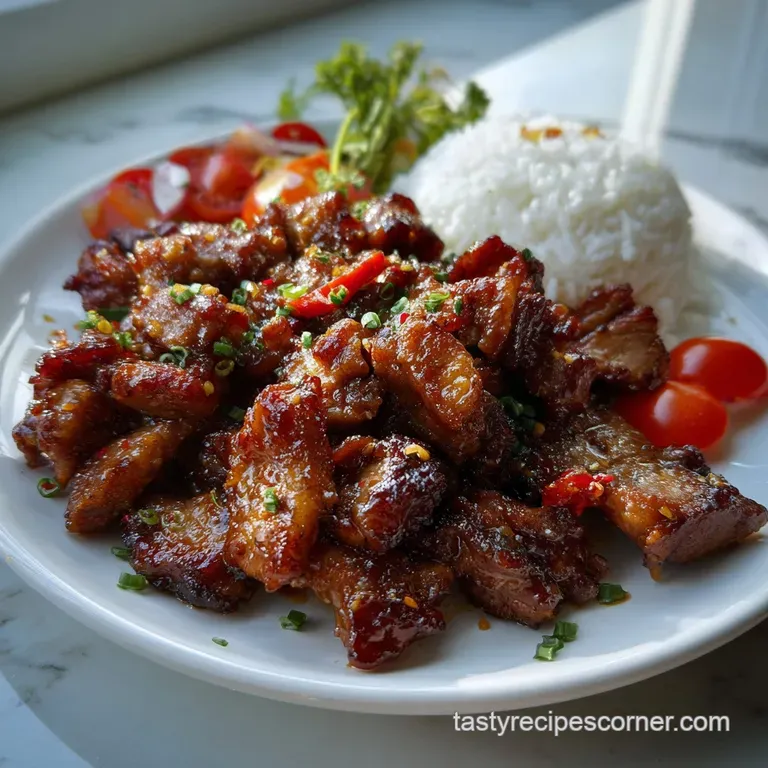
- Effort/Time: 25 minutes total (High-reward/Low-active effort)
- Flavor Hook: Spicy-sweet Gochujang glaze with a mahogany char.
- Perfect for: Hearty family dinners or crowd-pleasing weekend feasts.
- Harnessing Heat and Soul for the Ultimate Spicy Korean BBQ
- The Science of Why This Recipe Works
- Precision Timing for a Hearty Tennessee Kitchen Feast
- The Alchemy of Umami: Selecting Your Elements
- Essential Tools for Maximum Thermal Efficiency
- Layering Flavors through Controlled over High heat Searing
- Why Your Meat Steams Instead of Searing
- Adapting This Spicy Korean BBQ for Every Palate
- ⚗️ The Scaling Lab: Physics of Quantity
- Preserving the Soul-Warming Heat of Your Leftovers
- Traditional Ssam and Modern Rice Bowl Pairings
- Recipe FAQs
- 📝 Recipe Card
Harnessing Heat and Soul for the Ultimate Spicy Korean BBQ
There is nothing more heartbreaking than spending money on a beautiful cut of pork only to have it turn out tough, grey, and swimming in a watery, bland liquid. I remember one humid evening in my Tennessee kitchen when I tried to rush a batch for my family; I crowded the pan, skipped the pear, and ended up with something that tasted more like boiled cardboard than a authentic Spicy Korean BBQ.
It was a total waste of ingredients and an emotional letdown for a hungry house.
I destroyed at least five batches of this marinade before I realized the physics of sugar and heat. I used to think more heat meant more flavor, but I was just burning the honey before the meat could even sear.
It took understanding the "Maillard reaction" and how specific fruit enzymes interact with pork proteins to finally get that velvety texture and shattering char we crave.
The secret to a soul warming Spicy Korean BBQ isn't just the chili; it’s the science of the marinade's pH balance and the thermal mass of your skillet. When you let the Korean pear do the heavy lifting, you're not just adding sweetness you're physically breaking down tough connective tissue.
The result is a mahogany colored, sizzle heavy masterpiece that brings a piece of Seoul right to your dinner table.
The Science of Why This Recipe Works
- Enzymatic Tenderization: The calpain enzymes in Korean pear or Fuji apple break down muscle proteins, ensuring the pork remains velvety rather than rubbery.
- Maillard Synergy: The combination of honey and Gochujang creates a complex sugar profile that caramelizes at lower temperatures, providing a rich, charred crust without overcooking the interior.
- Osmotic Pressure Balance: Using low-sodium Sempio Soy Sauce allows the salt to penetrate the meat fibers without drawing out excessive moisture, which prevents the meat from "steaming" in its own juices.
- Capsaicin Layering: Combining Gochujang (paste) and Gochugaru (flakes) provides both a fermented base note and a bright, sharp top-note of heat that lingers on the palate.
Precision Timing for a Hearty Tennessee Kitchen Feast
- Internal Temperature: Ensure the Lodge Cast Iron Skillet reaches 400°F (204°C) before the meat touches the surface.
- Slice Thickness: Aim for 1/16th of an inch (approx. 1.5mm) for the pork; this ensures the meat cooks in under 3 minutes, preventing moisture loss.
- Marination Window: 30 minutes is the "Goldilocks zone"; any longer and the fruit enzymes will turn the pork mushy.
| Method | Texture | Time Investment |
|---|---|---|
| Fresh (This Recipe) | Velvety, charred, complex heat | 25 minutes |
| store-bought Shortcut | Syrupy, often overly salty, lacks char | 10 minutes |
The Alchemy of Umami: Selecting Your Elements
| Ingredient | Chemical/Physical Role (Science) | The Pro Secret (Why This Matters) |
|---|---|---|
| 1.5 lbs Pork Shoulder | Collagen rich protein denaturation | Fat marbling provides "self basting" during over high heat searing. |
| 3 tbsp Gochujang | Fermented amino acid catalyst | Provides the "glue" for the glaze and deep, funky umami. |
| 2 tbsp Korean Pear | Proteolytic enzyme (Calpain) | Physically dissolves protein bonds for a melt-in-the-mouth texture. |
| 2 tbsp Gochugaru | Non-soluble heat particles | Adds visual texture and a smoky, sun-dried finish. |
- 1.5 lbs pork shoulder or pork belly, sliced paper thinWhy this? Pork shoulder provides the best balance of lean muscle and intramuscular fat for searing.
- Sub: Thinly sliced ribeye (will be richer/fattier).
- 1 tbsp neutral oil (like Avocado Oil)
- Sub: Grapeseed oil (high smoke point is essential).
- 3 tbsp Chung Jung One GochujangWhy this? Fermented starches in the paste create a thick, stable emulsion.
- Sub: Red miso mixed with sriracha (adds saltiness, loses traditional funk).
- 2 tbsp Gochugaru
- Sub: Crushed red pepper flakes (much spicier/harsher, use half).
- 3 tbsp Sempio Low-sodium Soy Sauce
- Sub: Tamari (for gluten-free needs).
- 2 tbsp mirin or rice wine
- Sub: Dry sherry.
- 2 tbsp honey or brown sugar
- Sub: Maple syrup (adds a woody, Tennessee style sweetness).
- 1 tbsp toasted sesame oil
- Sub: Perilla oil.
- 1 tbsp fresh ginger, minced
- 4 cloves garlic, minced
- 2 tbsp grated Korean pear or Fuji appleWhy this? Contains specific enzymes that tenderize pork better than citrus.
- Sub: Bosc pear or unsweetened applesauce.
- 1/4 tsp black pepper
- 1 medium white onion, thinly sliced
- 3 green onions, cut into 2 inch pieces
- 1 tsp toasted sesame seeds
Essential Tools for Maximum Thermal Efficiency
To get that authentic Spicy Korean BBQ char, you need tools that hold heat. A flimsy pan will drop temperature the moment the cold meat hits it, resulting in a grey, sad stir fry.
- Lodge 12 inch Cast Iron Skillet: The heavy thermal mass is non-negotiable for a proper sear.
- Microplane Grater: For the ginger, garlic, and pear to ensure they incorporate into a smooth Spicy Korean BBQ Sauce.
- Sharp Chef's Knife: Essential for getting those paper thin slices.
- Large Stainless Steel Mixing Bowl: For the Spicy Korean BBQ Marinade to allow enough room for thorough coating.
Layering Flavors through Controlled over High heat Searing
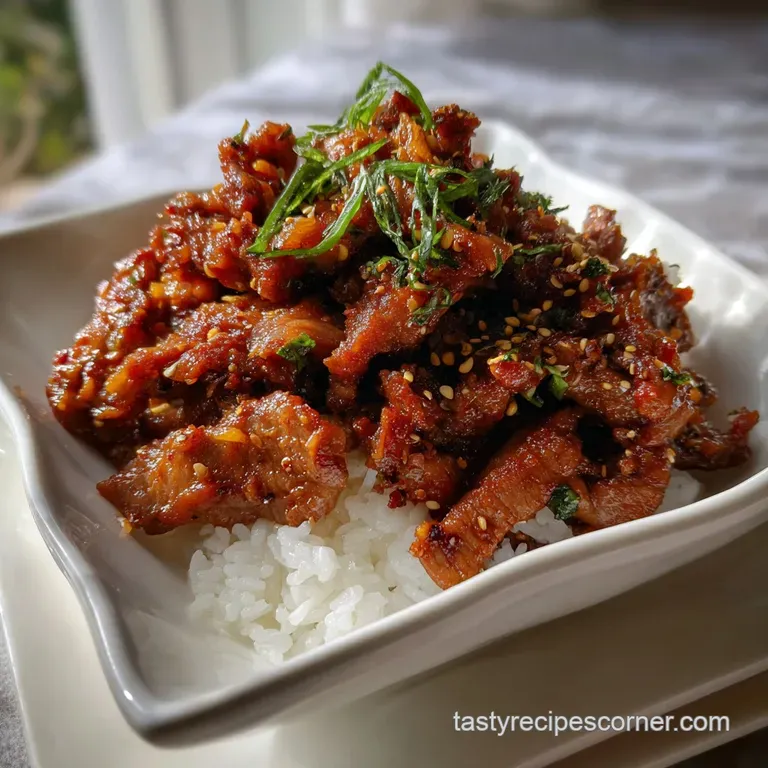
1. Preparing the Spicy Korean BBQ Sauce
Whisk 3 tbsp Gochujang, 2 tbsp Gochugaru, 3 tbsp soy sauce, 2 tbsp mirin, 2 tbsp honey, 1 tbsp sesame oil, 1 tbsp ginger, 4 cloves garlic, 2 tbsp grated pear, and 1/4 tsp black pepper in a large bowl until the mixture is glossy and the sugar is fully dissolved.
2. Slicing and Marinating
Slice 1.5 lbs pork into 1/16th-inch strips. Pro tip: Freeze the meat for 30 minutes first to make it firm enough to shave. Toss the meat into the bowl and massage the marinade into every fold of the pork until the meat is fully opaque and coated in a thick, red paste.
3. The Hydration Phase
Add the sliced white onion to the bowl. Let the mixture sit at room temperature for 15 minutes until the onion begins to soften slightly and the aromas shift from pungent to sweet.
4. Priming the Heat
Place your Lodge Cast Iron Skillet over medium high heat with 1 tbsp neutral oil. Wait about 3 minutes until a light wisp of smoke rises and the oil shimmers like water.
5. The First Sear (Batch 1)
Add half of the pork mixture to the pan, spreading it out into a single layer. Leave it untouched for 90 seconds until the bottom edges turn mahogany and you hear a steady, aggressive sizzle.
6. Managing the Maillard Reaction
Flip the meat and stir occasionally for another 2 minutes until the sauce thickens into a sticky glaze that clings to the pork and the onions are translucent.
7. Integrating the Aromatics
Toss in the 2 inch green onion pieces. Sauté for 60 seconds until the green onions wilt slightly and turn a vibrant, bright emerald.
8. Batch Completion
Remove the first batch and repeat with the remaining meat. Do not wipe the pan between batches; those browned bits (fond) add soul to the second half.
9. The Finishing Glaze
Combine all cooked meat back into the skillet for a final 30 second toss until everything is steaming and the sauce is bubbling and tacky.
10. The Final Garnish
Turn off the heat and sprinkle with 1 tsp toasted sesame seeds. Serve immediately while the sizzle is still audible and the aroma of toasted sesame fills the kitchen.
Why Your Meat Steams Instead of Searing
The biggest hurdle with a Spicy Korean BBQ Pork Recipe is moisture management. If your pan looks like a soup, you've lost the battle.
Overcrowding the Pan
When you dump 1.5 lbs of cold meat into a skillet, the temperature plummets. Instead of searing, the meat releases its juices, and you end up "boiling" the pork in its own marinade.
| Problem | Root Cause | The Fix | Pro Protocol |
|---|---|---|---|
| Grey, soggy meat | Pan crowding/Low temp | Cook in two batches | Heat pan until oil "shimmers" before adding meat |
| Bitter, burnt flavor | Sugar caramelizing too fast | Honey/Gochujang burning | Lower heat slightly if sauce darkens too quickly |
| Tough, chewy pork | Sliced too thick | Fiber resistance | Freeze meat before slicing to get "shaved" ribbons |
Burning the Sugars
Because this Spicy Korean BBQ Marinade is high in honey and Gochujang (which contains fermented rice), the burn point is low. If you see black smoke, your heat is too high. You want a dark mahogany char, not carbon.
Adapting This Spicy Korean BBQ for Every Palate
Flavor Variations for This Recipe
- Spicy Korean BBQ Steak: Swap the pork for 1.5 lbs of ribeye. Reduce marination time to 10 minutes, as beef is more sensitive to the pear enzymes.
- Korean BBQ Chicken Wings Spicy: Use the marinade as a glaze. Bake wings at 400°F (204°C) for 35 minutes, then toss in the sauce and broil for 2 minutes until the skin is blistering and charred.
- The Tennessee Twist: Add 1 tbsp of bourbon to the marinade. The alcohol acts as a solvent, carrying the spice deeper into the meat fibers.
| Original Ingredient | Substitute | Why It Works |
|---|---|---|
| Pork Shoulder | Extra Firm Tofu | Press tofu for 30 mins first. Note: Tofu won't brown as deeply without the pork fat. |
| Honey | Brown Sugar | Adds a deeper, molasses like note; better for a "crusty" finish. |
| Korean Pear | Kiwi (half) | Contains actinidin, a very strong enzyme. Warning: Don't marinate over 10 mins or meat will turn to mush. |
If you want a deeper umami, add 1 tsp of fish sauce to the marinade. If you want more heat, increase the Gochugaru to 3 tbsp but keep the Gochujang the same to avoid over salting. If you want a cleaner finish, use a Fuji apple instead of a pear for a crisper acidity.
⚗️ The Scaling Lab: Physics of Quantity
When you decide to double this Spicy Korean BBQ Recipe for a party, the rules of physics change.
- Pan Crowding (The Maillard Killer): Doubling the meat in one skillet will drop the temperature below 300°F (150°C), leading to steaming. Mandatory instruction: You must cook in at least three batches if doubling, or use two separate Lodge Cast Iron Skillets simultaneously.
- Flavor Saturation: Scale spices and salt to 1.5x, NOT 2x. The Gochujang and soy sauce provide a massive salt load that can become overwhelming when doubled. You can always add a splash more soy at the end.
- Thermal Mass: A larger volume of cold meat requires more recovery time for the pan. If using a single pan, wait 2 full minutes between batches for the iron to "re-charge" its heat.
Preserving the Soul Warming Heat of Your Leftovers
Storage & Reheating
- Fridge: Store in an airtight container for up to 4 days. The flavors actually deepen overnight as the garlic and ginger mellow.
- Freeze: You can freeze the raw marinated pork in a freezer bag for up to 3 months. The enzymes will slow down significantly when frozen.
- Reheating: Avoid the microwave it turns the pork rubbery. Reheat in a dry skillet over medium heat with a splash of water to loosen the glaze until the sauce is bubbling and the meat is heated through.
Zero Waste Philosophy
- Green Onion Roots
- Place in a jar of water on your windowsill; they will regrow in a week.
- Pear Core
- Throw it into a pot of simmering water with a cinnamon stick for a quick Korean style tea (Sujeonggwa base).
- Leftover Marinade
- If you have extra sauce that didn't touch raw meat, simmer it for 5 minutes to thicken. It makes a killer spicy mayo when mixed with Kewpie.
Traditional Ssam and Modern Rice Bowl Pairings
Traditional Ssam (Lettuce Wraps)
The best way to eat this is the "one-bite" method. Take a leaf of Red Leaf Lettuce or Perilla, add a slice of pork, a smear of Ssamjang, and a raw garlic slice. The cold, crisp lettuce contrasts the soul warming heat of the Spicy Korean BBQ.
Spicy Korean BBQ Rice Bowl
For a hearty, "stick-to-your ribs" meal, pile the pork over steamed short grain white rice. Add a side of kimchi and a fried egg. The runny yolk acts as a secondary sauce, tempering the heat of the Gochugaru and creating a velvety mouthfeel that is pure comfort.
Myth: You must marinate Korean BBQ overnight for the best flavor. Truth: Overnight marination with Korean pear will turn your pork into a mushy paste. 15 30 minutes is scientifically optimal for thin sliced meats.
Myth: Gochugaru and standard chili flakes are interchangeable. Truth: Standard chili flakes are much drier and harsher. Gochugaru is sun-dried, seedless, and provides a smoky sweetness that is essential for the profile of a true Spicy Korean BBQ.

Recipe FAQs
What is the minimum time required to marinate the pork?
30 minutes is the "Goldilocks zone"; any longer and the fruit enzymes will turn the pork mushy. The calpain enzymes in the pear actively break down muscle proteins upon contact, and prolonged exposure leads to structural breakdown, not increased flavor infusion.
Why is my pork steaming instead of searing?
Pan crowding prevents proper thermal recovery. Adding too much cold meat instantly drops the skillet temperature below the necessary 400°F sear point, forcing the meat to release moisture and steam in its own juices.
- Ensure pan is screaming hot
- Cook meat in single, thin layers
- Do not use a thin gauge cooking vessel
Should I use pork belly or shoulder for this recipe?
Pork shoulder provides the best balance of lean muscle and intramuscular fat for searing. Pork belly contains more connective tissue that requires longer cooking times, making the high heat char harder to achieve without burning the glaze.
Can I use honey substitutes like maple syrup?
Maple syrup adds a woody, Tennessee style sweetness. While honey has a slightly lower burn point, maple syrup's complex sugar profile works well but may require slightly lower heat management during the final glaze stage.
Myth: You must marinate Korean BBQ overnight for the best flavor.
Myth: You must marinate Korean BBQ overnight for the best flavor. Reality: Overnight marination with Korean pear will turn your pork into a mushy paste. 15 30 minutes is scientifically optimal for thin sliced meats.
Myth: Gochugaru and standard chili flakes are interchangeable.
Myth: Gochugaru and standard chili flakes are interchangeable. Reality: Standard chili flakes are much drier and harsher. Gochugaru is sun-dried, seedless, and provides a smoky sweetness that is essential for the profile of a true Spicy Korean BBQ.
What is the ideal thickness for slicing the raw meat?
Aim for 1/16th of an inch (approx. 1.5mm) for the pork. This thinness allows the meat to cook rapidly (under 3 minutes per batch) before the sugars in the marinade scorch, ensuring the Maillard reaction completes before moisture loss occurs.
Easy Spicy Korean Bbq Recipe
Ingredients:
Instructions:
Nutrition Facts:
| Calories | 582 kcal |
|---|---|
| Protein | 30.6 g |
| Fat | 38.4 g |
| Carbs | 21.2 g |
| Fiber | 2.4 g |
| Sugar | 14.1 g |
| Sodium | 845 mg |
