Earl Grey Cookies: Buttery Shortbread Snap
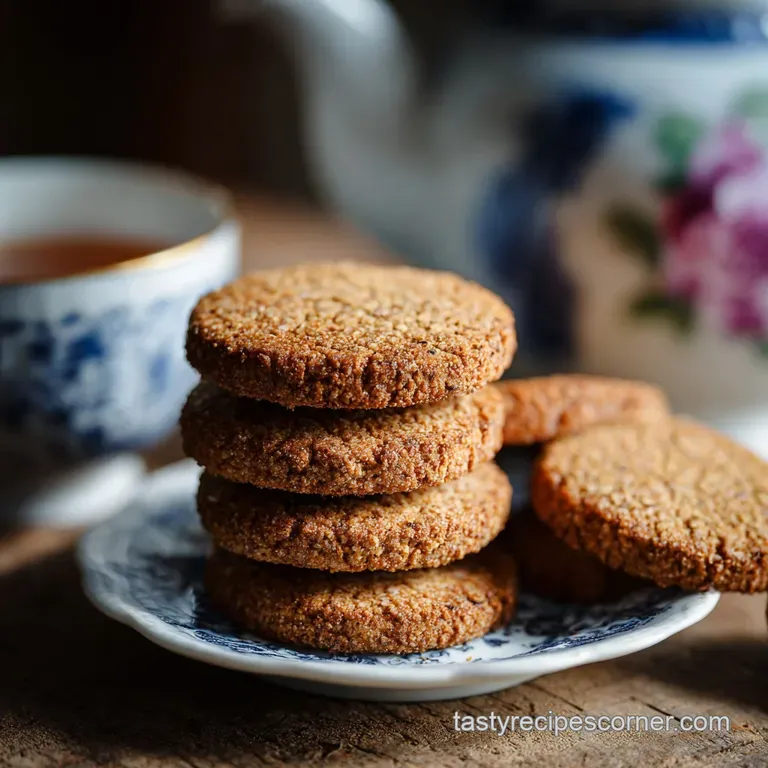
- Time: Active 20 minutes, Passive 1 hours 12 mins, Total 1 hours 32 mins
- Flavor/Texture Hook: A velvety, buttery snap with a bright lemon finish
- Perfect for: Elegant afternoon tea, holiday gifting, or a quiet solo treat
- Mastering the Delicate Balance of Elegant Earl Grey Cookies
- The Science Behind Perfect Results
- Essential Timings and Metrics for Your Tea Cookies
- The Curated Pantry List for Fragrant Infused Dough
- The Toolset for Achieving a Professional Crumb Texture
- A Step by Step Guide to Crafting Infused Dough
- Fixing Common Baking Errors for the Perfect Snap
- Tailoring Your Biscuits for Dietary Needs and Flavors
- Preserving the Fresh Snap and Repurposing Tea Scraps
- Elevating the Aesthetic from Home Kitchen to Restaurant
- Recipe FAQs
- 📝 Recipe Card
Mastering the Delicate Balance of Elegant Earl Grey Cookies
Close your eyes and listen for a second. That rhythmic, scratching sound of a mortar and pestle crushing dried tea leaves is one of my favorite kitchen soundtracks. The moment those Earl Grey leaves break open, the kitchen is flooded with the scent of bergamot - that floral, almost spicy citrus aroma that feels like a warm hug on a foggy afternoon.
I remember the first time I tried making these; I thought I could just toss the tea leaves in whole. I ended up with cookies that tasted like I was chewing on a hedge. It was a gritty, disappointing mess that taught me my first big lesson: the texture of the tea is just as vital as the flavor.
We aren't just making a basic sugar cookie here. We are crafting something that feels intentional and a bit fancy, yet doesn't require a culinary degree to pull off. You want that specific "shatter" when you bite into it - a clean break that immediately turns into a buttery, silky sensation on the tongue.
It took me three or four tries to get the ratio of powdered sugar to flour just right so they wouldn't spread into flat puddles on the tray. But once you hit that sweet spot, you'll never go back to store-bought tea biscuits again. Trust me, the smell of these baking is better than any candle you can buy.
The Science Behind Perfect Results
The success of these biscuits comes down to the interaction between the fat and the aromatics. Since we are using a high fat European butter, we are essentially creating a delivery system for the essential oils found in the tea leaves.
- Lipid Infusion: The bergamot oils in the tea are fat soluble, meaning the butter pulls the flavor out of the leaves and distributes it evenly through the dough.
- Starch Coating: Using powdered sugar instead of granulated sugar introduces cornstarch into the mix, which inhibits gluten development for a tender, sandy crumb.
- Thermal Memory: Chilling the dough allows the flour to fully hydrate, preventing the cookies from losing their shape when they hit the heat of the oven.
Dough Preparation Method Comparison
| Method | Time | Texture | Best For |
|---|---|---|---|
| No Chill | 15 mins | Soft, spreads thin | Quick cravings |
| 1 Hour Chill | 1 hour | Crisp edges, tender center | The standard bake |
| Overnight Chill | 12+ hours | Deeply aromatic, firm snap | Professional results |
Giving the dough time to rest isn't just a suggestion; it is the difference between a cookie that tastes like flour and one that tastes like a refined tea service. When the dough sits, the moisture from the butter and the tiny bit of moisture in the flour mingle, creating a more complex flavor profile.
Component Analysis
| Ingredient | Science Role | Pro Secret |
|---|---|---|
| European Butter | High fat, low water | Provides the signature "shatter" texture |
| Powdered Sugar | Fine texture | Dissolves instantly to prevent a grainy mouthfeel |
| All Purpose Flour | Structure | Weigh it to avoid a dry, crumbly biscuit |
| Tea Leaves | Flavor profile | Freeze the leaves for 5 mins before grinding for a finer dust |
For the best results, always opt for a high-quality loose leaf tea rather than the dust found in cheap tea bags. The oils are much more potent, and you'll get a cleaner floral note that isn't masked by "tea fannings" or bitter stems.
Essential Timings and Metrics for Your Tea Cookies
When we talk about achieving that professional finish, precision is our best friend. I used to eyeball my measurements, but I quickly learned that even ten grams of extra flour can turn these from melt in-your mouth to rock hard. We want a delicate balance. If you're looking for something with a different texture profile, you might want to compare this to my Sugar Cookies recipe, which uses a different ratio for a sturdier, decorated finish.
Precision Checkpoints
- Tea Grind: 3 tablespoons of leaves should yield a fine, flour like dust with no pieces larger than a grain of salt.
- Internal Temp: The cookies are done when the bottom edge reaches 175°F (80°C), though the tops will still look pale.
- Dough Weight: Each individual cookie should weigh approximately 22-24 grams before baking for uniform cooking.
Comparison of Tea Sources
| Source | Flavor Impact | Texture Result |
|---|---|---|
| Fresh Loose Leaf | Intense bergamot, floral | Clean and smooth |
| Standard Tea Bags | Muted, slightly earthy | Can be slightly gritty |
| Tea Extract | Concentrated but artificial | Lacks the visual "speckle" |
Using fresh loose leaf tea really is the "chef's kiss" moment for this recipe. It’s a small investment that pays off in the aroma that wafts through your house.
The Curated Pantry List for Fragrant Infused Dough
The beauty of this list is its simplicity. Because there are so few ingredients, the quality of each one really stands out. Don't even bother with margarine or low-fat butter substitutes here; the water content is too high and you'll end up with a soggy mess instead of a crisp cookie.
- 225g unsalted butter, European style: Why this? Higher fat content (82%+) creates a much flakier, richer shortbread texture. (Substitute: Standard unsalted butter, but expect slightly less "snap")
- 3 tablespoons Earl Grey tea leaves, finely ground: Why this? Provides the core aromatic profile of bergamot and black tea. (Substitute: Lady Grey for a more citrus heavy flavor)
- 120g powdered sugar, sifted: Why this? Ensures the dough is smooth and helps control the spread in the oven. (Substitute: Granulated sugar pulsed in a blender until fine)
- 1 teaspoon vanilla bean paste: Why this? Adds those beautiful black specks and a deep, floral sweetness. (Substitute: 1 tsp pure vanilla extract)
- 300g all purpose flour: Why this? Provides just enough protein for structure without making the cookie tough. (Substitute: 1:1 gluten-free baking flour blend)
- 0.5 teaspoon kosher salt: Why this? Sharpens the citrus notes and balances the sweetness of the glaze. (Substitute: 0.25 tsp fine table salt)
- 1 tablespoon lemon zest, freshly grated: Why this? Brightens the bergamot and cuts through the richness of the butter. (Substitute: Orange zest for a warmer flavor)
- 120g powdered sugar (for glaze): Why this? Creates a thin, crackly coating that seals in moisture.
- 3 tablespoons fresh lemon juice: Why this? The acidity provides a necessary zing to the sweet glaze.
- 1 pinch fine tea dust (for garnish): Why this? A visual cue that hints at the flavor inside.
Chef's Tip: Rub the lemon zest into the powdered sugar with your fingertips before adding the butter. The abrasive sugar crystals pop the tiny oil sacs in the zest, releasing far more flavor than just stirring it in.
The Toolset for Achieving a Professional Crumb Texture
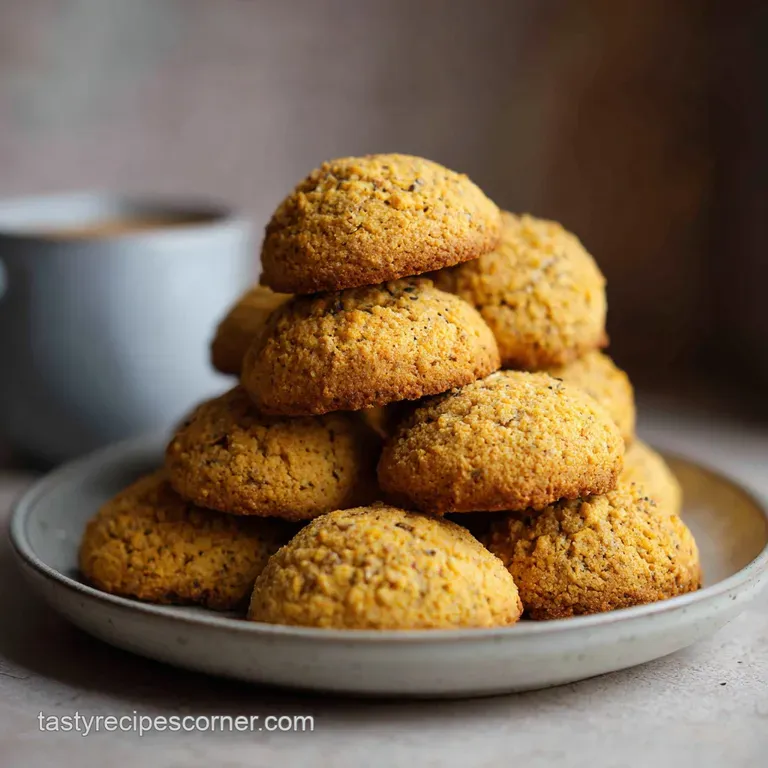
You don't need a kitchen full of gadgets, but a few specific tools will make your life significantly easier. I once tried to cream the butter by hand with a fork because I was too lazy to pull out the mixer. My arms were sore for two days and the cookies were dense. Learn from my mistakes!
- Electric Stand Mixer: Using a whisk attachment or paddle ensures the butter and sugar are perfectly aerated.
- Digital Kitchen Scale: This is non negotiable for baking. Measuring by volume (cups) is too inconsistent for this delicate dough.
- Mortar and Pestle or Spice Grinder: You need the tea to be a fine powder. If the pieces are too big, they stay crunchy and bitter.
- Microplane Grater: For the finest lemon zest that melts into the dough rather than leaving stringy bits.
- Parchment Paper or Silicone Mats: Prevents the bottoms from browning too quickly before the centers are set.
If you enjoy the process of using these tools, you might find the technique similar to the one used in my Peanut Butter Cookies recipe, where getting the fat to sugar ratio right is everything for that classic texture.
A step-by-step Guide to Crafting Infused Dough
Let's get down to the actual making. This process is meditative if you take your time. Don't rush the creaming stage - that's where the magic happens.
- Grind the tea. Pulse the 3 tablespoons of tea leaves in a spice grinder until they look like fine black pepper. Note: If you see large stems, sift them out.
- Cream the butter. Place the 225g butter and 120g powdered sugar in your mixer. Beat on medium high for 3 minutes until pale and fluffy.
- Infuse the aromatics. Add the tea dust, 1 tsp vanilla bean paste, and 1 tbsp lemon zest. Mix for another minute until the aroma fills the air.
- Incorporate dry ingredients. Turn the mixer to low and add the 300g flour and 0.5 tsp salt. Mix until just combined. Do not overwork it.
- Shape the logs. Divide the dough in half. Roll each into a cylinder about 5cm in diameter.
- Chill the dough. Wrap the logs tightly in plastic wrap. Refrigerate for at least 1 hour until firm to the touch.
- Preheat and prep. Set your oven to 180°C (350°F). Line two baking sheets with parchment paper.
- Slice and bake. Slice the logs into 1cm thick rounds. Place them 2cm apart on the sheets.
- Bake the cookies. Bake for 12 minutes until the edges are barely golden.
- Cool and glaze. Let them cool completely. Whisk the 120g sugar and 3 tbsp lemon juice, then dip the tops of the cookies. Sprinkle with a tiny bit of tea dust.
Chef's Tip: For a perfectly round cookie, after rolling the dough in plastic wrap, place the log inside an empty paper towel roll that has been slit down the side. This prevents the bottom of the log from flattening while it chills in the fridge!
Fixing Common Baking Errors for the Perfect Snap
The most common heartbreak with these cookies is the "spread." You put beautiful circles in the oven and take out one giant, rectangular blob. It usually happens because the butter got too warm during the mixing process or the oven wasn't properly preheated.
Why Your Cookies Spread Too Much
If your cookies look like pancakes, it's likely a temperature issue. Shortbread relies on the cold butter hitting the hot oven to create steam, which lifts the layers slightly. If the butter is already melting before it goes in, you lose that structure.
Troubleshooting Table
| Problem | Root Cause | Solution |
|---|---|---|
| Gritty Texture | Tea leaves too coarse | Pulse tea in a spice grinder until it's a fine powder |
| Dry/Crumbly | Too much flour | Use a scale to measure 300g exactly; don't scoop with a cup |
| Burnt Bottoms | Rack too low in oven | Bake on the middle rack and use a double layer of parchment |
Common Mistakes Checklist
- ✓ Always use room temperature butter (it should dent with a finger but not be oily).
- ✓ Sift your powdered sugar to ensure there are no lumps in the dough.
- ✓ Don't skip the chilling step; cold dough equals better shape retention.
- ✓ Use a sharp, non serrated knife to slice the logs to avoid tearing the dough.
- ✓ Let the baking sheets cool completely between batches so you don't melt the butter on contact.
Tailoring Your Biscuits for Dietary Needs and Flavors
While the classic version is hard to beat, sometimes you need to swap things around for guests or just to keep things interesting. I've experimented with a few variations, and the dough is surprisingly resilient.
Crafting Vegan Earl Grey Cookies
To make these vegan, you can swap the 225g of butter for a high-quality vegan butter block (look for one with a high oil content like Miyoko’s). Avoid the tubs of soft spreadable margarine, as they contain too much water. The cookies will be slightly more fragile, so handle them with care after baking.
Adding a Lavender Twist
If you want to lean into the floral notes, add 1/2 teaspoon of dried culinary lavender to the spice grinder with your tea leaves. It complements the bergamot beautifully. Just be careful - too much lavender and your cookies will taste like soap.
If You Want X, Do Y
- If you want a softer cookie: Add 1 egg yolk to the butter and sugar mixture.
- If you want more crunch: Replace 50g of the flour with fine cornmeal or polenta.
- If you want a deeper flavor: Brown the butter first, let it solidify in the fridge, then use it as directed.
Preserving the Fresh Snap and Repurposing Tea Scraps
These cookies are actually better the second day because the tea flavor has more time to permeate the crumb. However, they are sensitive to humidity. If you leave them out on a rainy day, they will lose that characteristic "snap" and become soft.
Storage: Keep the cookies in an airtight container at room temperature for up to 7 days. If they do get a bit soft, you can pop them in a 150°C (300°F) oven for 3-4 minutes to crisp them back up.
Freezing: You can freeze the baked cookies for up to 2 months. Alternatively, freeze the unbaked dough logs for up to 3 months. Just thaw the log in the fridge overnight before slicing and baking.
Zero Waste Tip: If you have broken cookies or the "end pieces" from slicing the log, don't throw them away. Crush them up and use them as a crust for a cheesecake or sprinkle them over vanilla bean ice cream. The tea infused crumbs are a fantastic topping for a simple lemon posset or yogurt parfait.
Elevating the Aesthetic from Home Kitchen to Restaurant
How you present these cookies can change the entire experience. Since these are "achievable elegance," let's talk about three ways to plate them that will wow your guests.
Simple: The Family Style
Stack the cookies in a low ceramic bowl or on a wooden board. No fuss, just let the lemon glaze catch the light. This is perfect for a casual weekend brunch where people can just grab one as they pass by.
Polished: The Afternoon Tea
Place the cookies in a single layer on a tiered stand. Garnish the plate with fresh lemon slices and a few sprigs of fresh mint. The yellow of the lemon pops against the dark specks of tea in the cookies, making them look professionally made.
Restaurant: The Deconstructed Dessert
Place two cookies on a flat white plate. Add a small dollop of lemon curd to the side and a spoonful of lightly sweetened mascarpone cream. Top with a few fresh raspberries and a tiny pinch of extra ground tea. It turns a simple cookie into a full plated dessert.
Plating Tweak Guide
| Level | Feature | Key Element |
|---|---|---|
| Simple | Heap of cookies | Natural light |
| Polished | Linear alignment | Fresh citrus garnish |
| Restaurant | Component pairing | Height and negative space |
Whether you're eating these standing up over the kitchen sink or serving them on fine china, the flavor remains the star. If you find yourself obsessed with the "snap" of these cookies, you definitely need to try my Snickerdoodle Cookies recipe next it's a different kind of classic, but equally satisfying to bake! Now, go put the kettle on; you've got some baking to do.

Recipe FAQs
Does Earl Grey tea spike blood sugar?
Generally, no, when used in baking. Pure, unsweetened Earl Grey tea has negligible carbohydrates and will not directly spike blood sugar.
However, the finished cookie contains sugar, which will impact glucose levels; focusing on the tea itself, it is safe.
What is the most delicious cookie in the world?
That is subjective, but these Earl Grey Cookies rank highly for elegance. They offer a sophisticated, buttery snap balanced by bright bergamot notes.
If you enjoy this delicate crumb structure, you might also love the rich texture achieved in our dairy-free Sugar recipe.
How to use Earl Grey for baking?
Finely grind the dried tea leaves into a powder. Use a spice grinder or mortar and pestle to achieve a consistency similar to flour.
Infuse the flavor by adding the fine powder directly to the creamed butter and sugar mixture.
Do Earl Grey and chocolate go well together?
Yes, they pair excellently when balanced correctly. The dark, robust tannins of the black tea base cut through the richness of chocolate.
Try dipping half of the finished, cooled cookie into high-quality dark chocolate for a decadent pairing.
Can I substitute the lemon zest with orange zest?
Yes, orange zest is a wonderful substitution. Orange brings a warmer, slightly sweeter citrus profile compared to lemon's sharp brightness.
If you enjoy warm citrus pairings, look at the technique used to balance acidity in our Irresistible Orange Glazed recipe.
Is it true I must use a chilling time of at least one hour?
No, this is a common misconception, but chilling is highly recommended. You can bake after 30 minutes, but a longer chill allows the flour to fully hydrate.
Proper hydration ensures a tender crumb and prevents excessive spreading, leading to the desired sharp edges.
How to prevent the cookie bottoms from burning before the centers cook?
Bake on the middle rack of the oven. If the bottom still browns too quickly, line the baking sheet with an extra layer of parchment paper.
This extra barrier insulates the bottom of the dough, allowing the heat to penetrate the center more evenly.
Earl Grey Shortbread Cookies
Ingredients:
Instructions:
Nutrition Facts:
| Calories | 152 kcal |
|---|---|
| Protein | 1.3 g |
| Fat | 7.6 g |
| Carbs | 19.5 g |
| Fiber | 0.4 g |
| Sugar | 10.1 g |
| Sodium | 49 mg |
