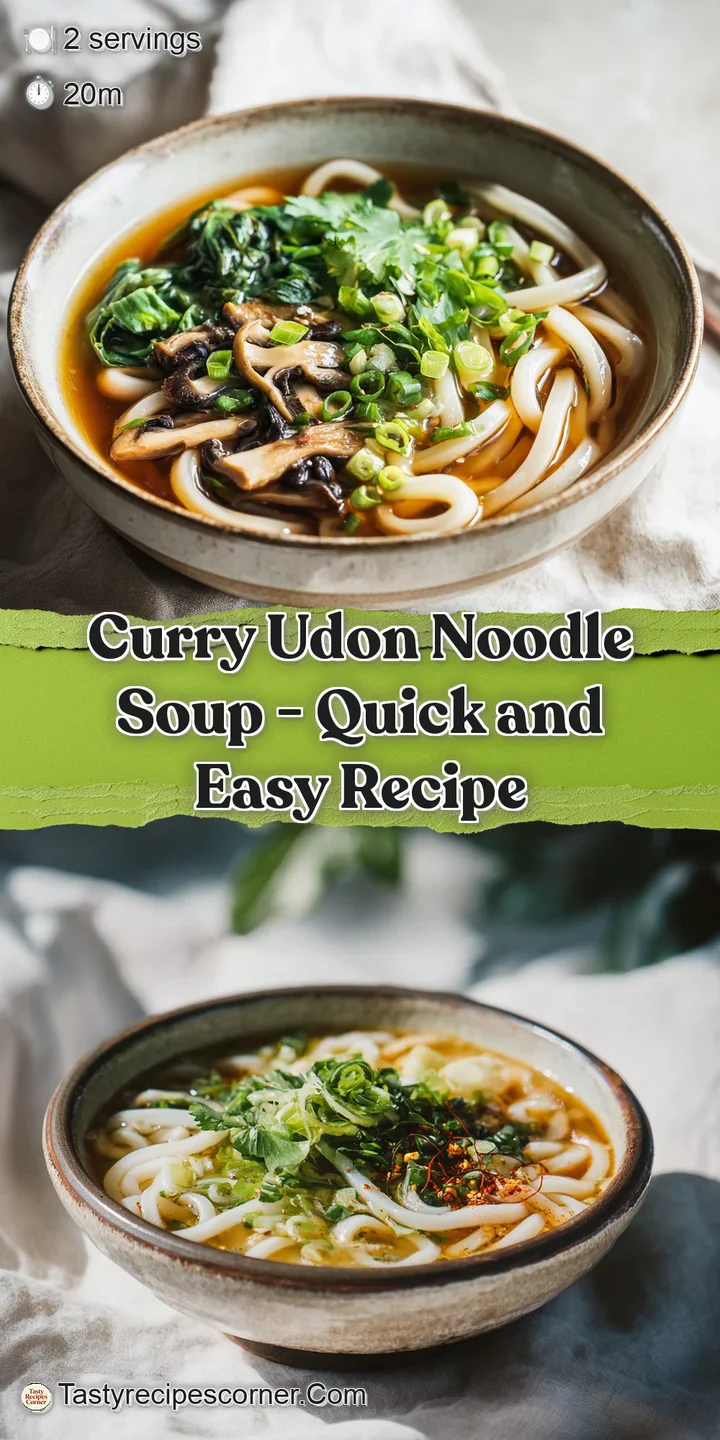
Curry Udon Noodle Soup: Creamy and Spiced
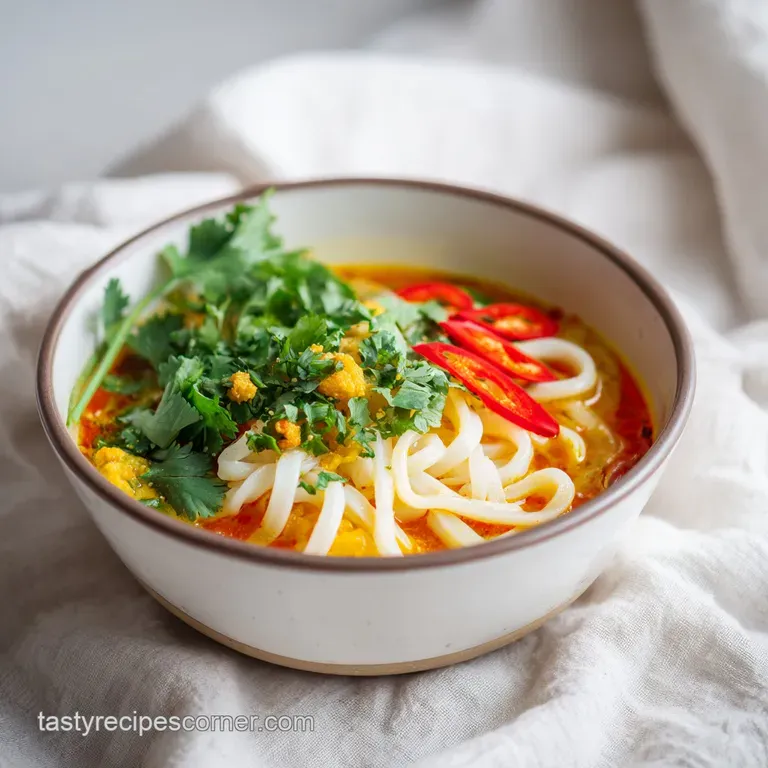
- Time:10 minutes prep + 10 minutes cook = 20 minutes total
- Flavor/Texture Hook: Velvety, spiced broth with slippery, bouncy noodles
- Perfect for: Rainy weeknights or when you need a hearty, comforting hug
- How One Rainy Night Changed My Comfort Food Game
- Why This Simple Japanese Noodle Soup Is a Total Winner
- Why the Sauce Clings to Every Single Noodle
- Understanding the Role of Your Key Components
- Selecting Your Elements for Deep Umami Flavor
- The Simple Tools You Need for This Noodle Dish
- Step by Step Guide to Crafting the Best Soup
- Fixing Common Issues with Your Curry Broth
- Adapting the Recipe for Different Diets and Tastes
- Resizing the Recipe for Different Crowds
- The Truth About Japanese Curry Myths
- How to Store and Reheat Your Noodle Leftovers
- Perfect Side Dishes to Round Out Your Meal
- Critical Sodium Alert
- Recipe FAQs
- 📝 Recipe Card
How One Rainy Night Changed My Comfort Food Game
Did you know that Japanese curry was actually introduced to Japan by the British? It is a fascinating bit of history that explains why this dish feels so strangely familiar to those of us raised on Western style stews.
I remember the first time I sat in a tiny, steamed up shop in Shinjuku, watching the chef pull thick strands of udon from a bubbling pot. Outside, the rain was coming down in sheets, but inside, the air smelled of toasted spices and savory beef.
I took one sip of that thick, golden broth and realized I had been missing out on the most comforting meal on the planet.
Back home in my Tennessee kitchen, I realized that this dish is the secret weapon for any busy home cook. We often think that deep flavor requires hours of labor, but with the right building blocks, you can have a "stick to your ribs" meal on the table in about 20 minutes.
It has that same heartiness I look for in a slow cooked roast, but it moves at the speed of a weeknight dinner. I have made this for my family on many nights when we were all exhausted, and every single time, the room goes quiet as everyone starts slurping.
The magic is in the contrast. You have the silky, almost creamy texture of the curry sauce against the heavy, chewy weight of the udon noodles. Then there is the paper thin beef that just melts away the second it hits your tongue.
It is a meal that feels intentional and layered, even if you just threw it together between finishing work and starting the evening chores. Trust me, once you see how that roux dissolves into the dashi, you will never look at "quick" meals the same way again.
Why This Simple Japanese Noodle Soup Is a Total Winner
There is something deeply satisfying about a meal that hits every sensory note without requiring a sink full of dirty dishes. This version of curry udon noodle soup is designed for the home cook who wants maximum impact with minimal fuss.
We are using a few clever shortcuts like frozen udon and store-bought curry roux that actually produce a better result than if you tried to make every single element from scratch.
I love this recipe because it is incredibly forgiving. If you have a little bit of leftover steak, you can toss that in. If you want to clear out the vegetable drawer, mushrooms or carrots fit right in.
But even in its simplest form, the combination of the salty dashi and the sweet mirin creates a flavor profile that is miles deep. It is a hearty meal that doesn't leave you feeling heavy, just perfectly satisfied.
| Feature | Fast Method (This Recipe) | Classic Long Method |
|---|---|---|
| Broth Base | Instant Dashi & Roux Blocks | Scratched made Stock & Flour Roux |
| Cook Time | 20 minutes total | 1 hours 30 mins |
| Texture | Consistently silky and thick | High risk of flour lumps |
Why the Sauce Clings to Every Single Noodle
Fat Emulsion: The heavy cream and the oils in the curry roux bind together, creating a stable, velvety liquid that stays thick even as it cools.
Starch Interaction: Frozen udon noodles are pre cooked and then flash frozen; as they thaw in the broth, they release a tiny amount of surface starch that acts as a secondary thickener for the soup.
Concentrated Umami: Using dashi instead of plain water provides a foundation of glutamates, which makes the spices in the curry taste more intense without needing extra salt.
| Servings | Beef Sirloin | Dashi Stock | Udon Noodles | Cook Time |
|---|---|---|---|---|
| 2 People | 200g | 800ml | 500g | 10 minutes |
| 4 People | 400g | 1.6L | 1kg | 15 minutes |
| 6 People | 600g | 2.4L | 1.5kg | 20 minutes |
Understanding the Role of Your Key Components
In this kitchen, we don't just follow recipes; we want to know what is happening inside the pot. When you understand the "why" behind your ingredients, you become a much better cook. For instance, the dashi isn't just "fish water" it is the backbone of Japanese cuisine.
It provides the smoky, savory depth that balances the sweetness of the mirin. If you used plain chicken stock, you’d still have a good soup, but it wouldn't have that authentic, haunting quality that makes you crave another bowl.
Then we have the curry roux blocks. These are a marvel of food engineering. They contain a blend of spices, flour, and fats that are toasted to perfection. By dissolving them slowly in a ladle, you are essentially making a professional grade sauce in seconds. It is much more stable than a homemade flour and butter roux, which can break or taste "pasty" if not cooked long enough. If you are a fan of rich, spiced dishes, you might also enjoy the layers of flavor in this proper Punjabi Murgh Curry which uses a completely different technique to achieve depth.
| Component | Science Role | Pro Secret |
|---|---|---|
| Japanese Curry Roux | Thickening Agent | Dissolve it in a ladle of hot broth first to ensure a lump free, silky texture. |
| Dashi Stock | Umami Foundation | Never boil it vigorously; a gentle simmer keeps the delicate smoky notes from turning bitter. |
| Frozen Udon | Structural Base | Don't thaw them before cooking! Dropping them in frozen preserves the "koshi" or bouncy chew. |
Selecting Your Elements for Deep Umami Flavor
- 800ml dashi stock: Look for "Hondashi" powder or use dashi packets for a quick, reliable base. Why this? It provides the essential savory depth that water or chicken broth lacks.
- 40g Japanese curry roux blocks: S&B Golden Curry or Vermont Curry are my go to brands. Why this? They provide both the spice blend and the thickener in one concentrated cube.
- 200g beef sirloin: Ensure it is paper thin. You can find this pre sliced at Asian grocers or partially freeze a steak and slice it yourself. Why this? Thin slices cook in seconds and stay tender rather than becoming chewy.
- 500g frozen udon noodles: Found in the freezer section of most grocery stores. Why this? Frozen udon has a much better, "bouncier" texture than the vacuum sealed shelf stable kind.
- 2 tbsp soy sauce: A good brewed soy sauce adds salt and color.
- 1 tbsp mirin: This adds a subtle sweetness and a beautiful sheen to the broth.
- 1 tsp sugar: Just a touch to balance the salty soy and earthy curry spices.
- 0.5 yellow onion: Thinly sliced to melt into the sauce.
- 2 cloves garlic & 1 tsp ginger: The aromatic foundation.
- 1 tbsp neutral oil: For searing the beef and onions.
- 2 tbsp heavy cream: This is the secret to a velvety finish.
- 2 green onions: Sliced thin for a fresh, sharp garnish.
| Original Ingredient | Substitute | Why It Works |
|---|---|---|
| Beef Sirloin | Thinly Sliced Pork Belly | Similar fat content; adds a richer, more decadent flavor to the broth. |
| Dashi Stock | Mushroom Broth | Provides a similar earthy umami for those avoiding fish products. |
| Heavy Cream | Coconut Milk | Offers the same fat content but adds a very subtle tropical sweetness. |
The Simple Tools You Need for This Noodle Dish
You don't need a mountain of fancy gear for this. A good Dutch oven or a heavy bottomed pot is your best friend here. The thick walls help maintain a steady temperature, which is crucial when you are trying to dissolve the roux and thaw the noodles without boiling everything into a mushy mess.
I also highly recommend using a small whisk or a silicone spatula along with a soup ladle. The "ladle technique" for dissolving the curry blocks is a total lifesaver. You put the blocks in the ladle, dip it halfway into the broth, and whisk inside the ladle until the roux is smooth.
This prevents those annoying little lumps of undissolved curry from hiding in the bottom of your bowl.
step-by-step Guide to Crafting the Best Soup
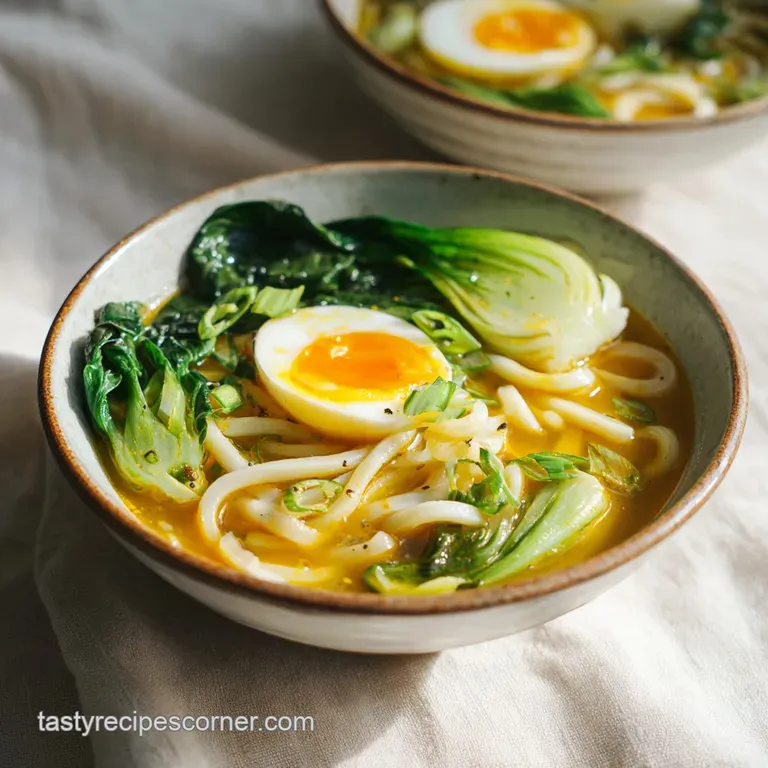
Heat the neutral oil in your large pot over medium high heat. Add the sliced yellow onions and sauté for 3 minutes until softened and translucent. Note: Taking the time to soften the onions builds a sweet base for the spices.
Toss in the minced garlic and grated ginger, stirring constantly for about 30 seconds until the aroma fills the room.
Lay the paper thin beef sirloin into the pot. Sear it just until the pink color disappears and the edges are lightly browned. Do not overcook here, as the beef will finish in the broth.
Pour in the 800ml of dashi stock, along with the soy sauce, mirin, and sugar. Bring it to a gentle simmer, then immediately drop the heat to low.
Place the curry roux blocks into a ladle and partially submerge it in the hot liquid. Use a small whisk to dissolve the roux completely into the broth before stirring it into the rest of the pot.
Drop the frozen udon noodles directly into the simmering curry. Let them cook for 1-2 minutes until they naturally unravel and feel bouncy to the touch.
Pour in the heavy cream and give it a final stir for that velvety, golden finish.
Turn off the heat. Divide the soup into two deep bowls and top with the fresh green onions for a pop of color and bite.
Fixing Common Issues with Your Curry Broth
The most common hurdle people face is getting the thickness just right. Japanese curry is meant to be a bit thicker than a standard soup think of it as a "saucy soup." If it looks like water, you need more roux or a bit more simmer time. If it looks like paste, you need a splash more dashi.
Why Your Soup Is Too Thin
If your broth isn't clinging to the noodles, it usually means the roux blocks weren't fully integrated or the liquid to roux ratio is slightly off. Remember that the udon noodles will also absorb some liquid as they sit.
If it is still too thin after adding the noodles, simmer it uncovered for an extra 2 minutes to let some moisture evaporate.
Why the Beef Feels Tough
Beef sirloin is lean, and when it is sliced this thin, it cooks in a heartbeat. If you boil it aggressively, the proteins will tighten up and turn rubbery. The key is to sear it quickly at the start and then keep the broth at a low simmer. For another take on tender poultry in a rich liquid, check out this Cozy Chicken Noodle Soup which uses a different method for moisture retention.
| Problem | Root Cause | Solution |
|---|---|---|
| Lumpy Broth | Roux added too fast | Use the ladle and whisk method to dissolve blocks separately. |
| Soggy Noodles | Overcooking | Only cook frozen udon for 1-2 minutes; they should have a firm "snap." |
| Bland Flavor | Weak Dashi | Add an extra teaspoon of soy sauce or a pinch of dashi powder at the end. |
Common Mistakes Checklist
- ✓ Don't skip the ginger: It provides a sharp heat that cuts through the richness of the cream and beef.
- ✓ Use frozen udon, not dry: Dry udon is too thin and brittle for this heavy, thick sauce.
- ✓ Keep the heat low: High heat will cause the heavy cream to split or "curdle," ruining the silky texture.
- ✓ Slice beef while cold: It is much easier to get those paper thin ribbons if the meat is slightly firm from the fridge.
Adapting the Recipe for Different Diets and Tastes
- For a Plant Based Alternative: Swap the beef for thick slices of king oyster mushrooms or fried tofu (aburaage). Use a kombu based dashi and coconut cream instead of heavy cream.
- For Extra "Heat" and Crunch: Add a drizzle of chili oil (rayu) or a sprinkle of shichimi togarashi (Japanese seven spice) on top. Some people even love adding a soft boiled egg for extra richness.
- The Seafood Twist: Swap the beef for shrimp or scallops. Add them at the very end with the noodles so they stay succulent and tender.
If you enjoy experimenting with different flavor profiles in your noodle bowls, you might find the spicy sour kick of a Kimchi and Dumpling Noodle Soup to be a great contrast to the earthy sweetness of this curry version.
Resizing the Recipe for Different Crowds
When you are scaling down for a solo lunch, simply halve all the ingredients. Since you are using such a small amount of beef, you can use a smaller skillet instead of a large pot to prevent the dashi from evaporating too quickly.
Use half an egg if you were adding one as a garnish, or just save the other half for breakfast!
When scaling up for a family gathering, be careful with the salt. Do not just double the soy sauce and dashi powder; start with 1.5x the amount and taste as you go.
Liquids don't always evaporate at the same rate in larger pots, so you might find you need slightly less dashi than a strict doubling would suggest. Work in batches to sear the beef so you don't crowd the pan and end up steaming the meat instead of browning it.
The Truth About Japanese Curry Myths
"You must make your own curry powder for it to be authentic." Actually, Japanese curry is unique specifically because it uses these standardized roux blocks. Even top tier restaurants in Japan often use a base of high-quality commercial roux, which they then "doctor" with their own secret ingredients.
Using the blocks isn't "cheating" it is the traditional way this specific dish is prepared.
"Noodle soup is always better the next day." While the flavors of the curry broth definitely deepen overnight, udon noodles are the exception. They are like sponges. If you leave them in the broth overnight, they will soak up every drop of liquid and turn into a soggy, bloated mess.
If you plan on having leftovers, store the broth and the noodles separately.
How to Store and Reheat Your Noodle Leftovers
- Fridge: Store the curry broth in an airtight container for up to 3 days. Tip: Store the noodles separately if possible.
- Freezer: The broth freezes beautifully for up to 2 months. Do not freeze the cooked noodles; they lose their structural integrity when thawed.
- Reheating: Warm the broth on the stove over medium low heat. If it has thickened too much in the fridge, whisk in 2 tablespoons of water or dashi to loosen it up. Add fresh or frozen udon only when the broth is hot.
- Zero Waste: If you have leftover curry sauce but no noodles, it makes a fantastic topping for a bowl of steamed white rice (Curry Rice!) or even over a piece of crispy fried chicken.
Perfect Side Dishes to Round Out Your Meal
Since this curry udon noodle soup is quite rich and hearty, I usually look for sides that offer a bit of acidity or crunch. A simple smashed cucumber salad with rice vinegar and sesame oil is the perfect palate cleanser between bites of thick, spicy noodles.
If you want to lean into the comfort food theme, a plate of pork gyoza or vegetable tempura works wonders. The crispy edges of the dumplings or the airy crunch of the tempura batter provide a lovely texture contrast to the soft, bouncy udon.
Even a simple side of pickled ginger or daikon radish (takuan) can cut through the richness of the heavy cream and beef fat, making every spoonful feel as fresh as the first.
Critical Sodium Alert
1892 mg of sodium per serving (82% of daily value)
The American Heart Association recommends limiting sodium intake to less than 2,300mg per day, with an ideal limit of 1,500mg for most adults.
Tips to Reduce Sodium
-
Choose Low-Sodium Curry Roux-30%
Japanese curry roux blocks are a major source of sodium. Look for 'low-sodium' or 'reduced sodium' versions, or consider making your own roux from scratch to control salt levels.
-
Dilute Dashi Stock-20%
While dashi is crucial for flavor, you can reduce its sodium contribution by diluting it with water. Use half dashi stock and half unsalted water (or a low-sodium broth) to achieve a similar base with less salt.
-
Opt for Low-Sodium Soy Sauce-20%
Soy sauce is very high in sodium. Switching to a 'reduced sodium' or 'light' soy sauce can significantly cut down on salt without drastically altering the flavor profile.
-
Boost Flavor with Herbs & Spices
Enhance the taste of your dish by adding fresh ginger, garlic, and green onions generously. Consider adding other aromatics like black pepper, chili flakes, or a pinch of smoked paprika to compensate for reduced saltiness.
-
Control Added Sugar and Mirin-5%
While not the primary sodium sources, the sugar and mirin contribute to the overall taste. If you're using a lower sodium curry roux, you might be able to slightly reduce the added sugar and mirin as well.
Recipe FAQs
Why should I use frozen udon instead of dried noodles?
Use frozen udon for the correct texture. Dried udon noodles are too thin and brittle to hold up to this thick, rich curry broth, whereas frozen noodles provide the necessary chew and bounce.
How to ensure the beef sirloin stays tender?
Sear the beef only until the pink color disappears. Overcooking the meat in the pot will result in a tough, rubbery texture, so move quickly once the edges start to brown.
Is it true I can use high heat to cook the soup faster?
No, this is a common misconception. Keeping the heat on low after adding the heavy cream is essential, as high heat will cause the cream to split and ruin the silky consistency of the dish.
How to get the beef sliced paper thin?
Slice the beef while it is still slightly firm from the refrigerator. Cold meat is much easier to manage, allowing you to achieve those delicate, paper thin ribbons that cook in seconds.
How to prevent the curry roux from clumping?
Dissolve the roux blocks inside a ladle partially submerged in the broth. Whisking the roux directly in the ladle ensures it incorporates smoothly into the liquid without creating stubborn clumps.
Can I prepare this meal in under 30 minutes?
Yes, the total time is only 20 minutes. If you enjoy quick meal prep, you might also like the speed of this Creamy Tortellini Soup which shares a similarly efficient workflow.
How to build a deep flavor profile for the broth?
Sauté the yellow onions for the full 3 minutes until translucent. This process creates a sweet, savory foundation that balances the sharp heat of the grated ginger and the richness of the curry.
Curry Udon Noodle Soup
Ingredients:
Instructions:
Nutrition Facts:
| Calories | 678 kcal |
|---|---|
| Protein | 31.2 g |
| Fat | 34.8 g |
| Carbs | 62.4 g |
| Fiber | 4.2 g |
| Sugar | 7.8 g |
| Sodium | 1892 mg |
