Asian Slaw: the Ultimate Crunchy Ginger-Sesame Recipe
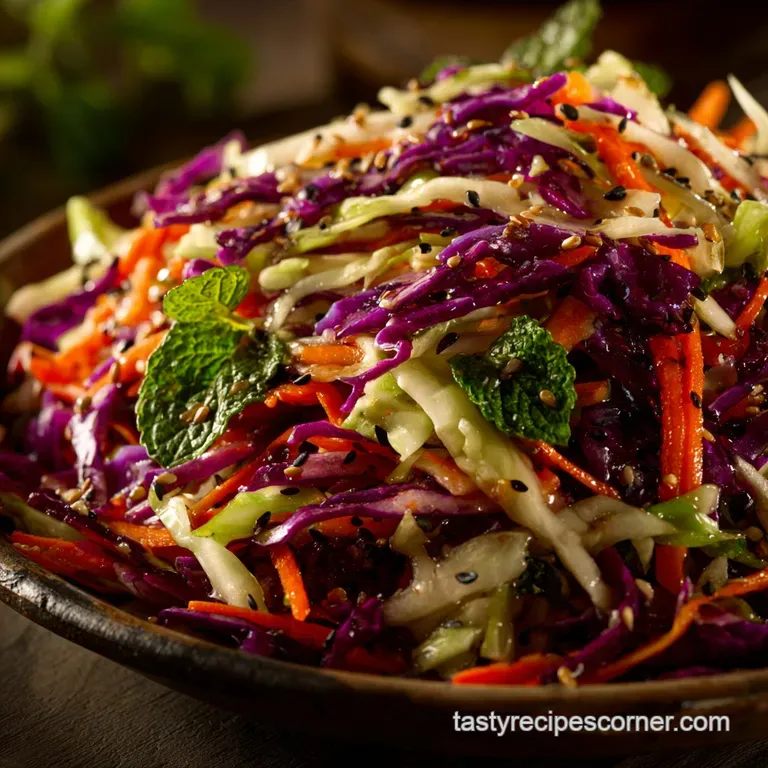
- Ditch the Mayo: Why This Ultimate Crunchy Asian Slaw Deserves a Spot on Your Table
- The Science of Slaw: Achieving Maximum Crunch and Zing
- What You Need for the Ultimate Ginger-Sesame Asian Slaw
- Quick and Easy: Step-by-Step Guide to Making the Slaw
- Troubleshooting Your Slaw: Chef’s Tips and Common Mistakes
- Longevity and Prep: Storing Asian Slaw (make-ahead Guide)
- Perfect Pairings: What to Serve Alongside this Vibrant Side Dish
- Recipe FAQs
- 📝 Recipe Card
Ditch the Mayo: Why This Ultimate Crunchy Asian Slaw Deserves a Spot on Your Table
If there is one side dish I am constantly craving, it’s this. When you take the first bite, you get that incredible, high volume crunch, immediately followed by a vibrant, complex zing that hits all the right notes: sweet, sour, and perfectly salty.
The aroma of fresh ginger and toasted sesame oil fills the kitchen, making even winter days feel like a summer cookout.
Listen, traditional creamy coleslaw is fine, but sometimes it feels heavy and just sits there on the plate. This particular Asian slaw recipe, however, is a lifesaver; it’s aggressively fresh, requires almost zero cooking, and uses cheap, long lasting vegetables.
Plus, it’s incredibly fast to prep, which means you can throw together a vibrant, restaurant quality side in under 30 minutes, not counting the crucial chill time.
I have spent years tweaking this ginger sesame vinaigrette, making mistakes that resulted in soggy cabbage or bland flavors, so you don't have to. We are going to nail that perfect balance of textures and flavors today. Let’s crack on and make the absolute best crunchy Asian slaw you’ve ever tasted.
The Science of Slaw: Achieving Maximum Crunch and Zing
Defining the Perfect Asian Slaw Crunch
The secret to ultimate crunch lies not just in the ingredients, but in the ratio and the cut. We use a blend of the softer, mild Napa cabbage and a smaller amount of hardy red cabbage for color and structural integrity.
Shredding the vegetables consistently is key; if your pieces are too large, they won't absorb the dressing effectively, and if they are too small, they will wilt too fast.
The Magic of Ginger Sesame Vinaigrette
Forget mayonnaise; the real backbone of this dish is the vibrant asian slaw dressing recipe we are making right now. Fresh ginger is non-negotiable here; the brightness of the raw root provides a fantastic heat and zing that powdered ginger just cannot mimic.
Combining the fresh ginger with rice vinegar and toasted sesame oil creates a complex dressing that perfectly coats the vegetables without turning them into a mushy soup.
Prep Time vs. Flavor Payoff: A Quick Overview
This recipe is incredibly efficient. Most of your time is spent chopping, and the chilling period takes care of the flavor development naturally. The payoff for 20 minutes of active prep is a huge bowl of slaw that tastes better than anything store-bought and holds up beautifully for a couple of days in the fridge.
Balancing the Five Key Asian Flavors (Sweet, Sour, Salty, Umami, Spicy)
A good Asian dish, even a simple slaw, needs to hit all five major flavor points for true depth. We hit sweetness with a touch of honey, sourness with the rice vinegar and lime juice, and saltiness from the soy sauce.
The richness of the toasted sesame oil provides the essential umami, while a pinch of chili flakes adds that necessary spicy background warmth.
Why Cabbage Needs 'Dressing Time' (And Why You Shouldn't Rush It)
When you first pour the dressing onto the slaw, it will feel very dry and aggressive. That’s okay! I used to toss and serve immediately, resulting in a harsh, overly acidic crunch.
The mandatory 30 minute rest gives the acid just enough time to slightly break down the fibers of the cabbage, allowing the flavors to penetrate the vegetables completely without making them soggy.
The Role of Texture: Nuts, Seeds, and Shredded Vegetables
Texture is everything in this ultimate crunchy Asian slaw. The vegetables provide the initial crispness, but the toasted additions almonds and sesame seeds add a completely different dimension: a crunchy, brittle resistance that makes every mouthful interesting.
Don't add these until the last second, though!
What You Need for the Ultimate Ginger Sesame Asian Slaw
The Core Vegetable Blend: Cabbage, Carrots, and Bell Peppers
We rely on the sturdy nature of cruciferous vegetables here. Napa cabbage provides a lovely mild base, and the carrots bring natural sweetness and color contrast. You must slice the bell peppers super thinly —think matchsticks so they integrate seamlessly into the final slaw.
Building the Signature Dressing: Fresh Ginger and Rice Vinegar Essentials
When making this asian slaw dressing, focus on quality ingredients. Don’t skimp on fresh lime juice; the acidity cuts through the richness of the sesame oil perfectly. If you don't have fresh ginger, honestly, wait until you can grab some, but if you're in a total bind, you can use 1/2 teaspoon of ground ginger, though the texture and punch will be missing.
Strategic Swaps: Nuts, Seeds, and Fresh Herb Alternatives
Need to swap some ingredients? No sweat. This recipe is surprisingly flexible. If you are allergic to almonds, crushed roasted peanuts or cashews work brilliantly and provide a similar earthy depth.
For the herbs, if coriander (cilantro) is a definite no for you, try swapping in thinly sliced mint or Thai basil for a different but equally vibrant flavor profile.
Pro-Tip: Ensuring Your Sesame Oil is Toasted
This seems obvious, but check your bottle! Untoasted sesame oil (sometimes called just "sesame oil") is nearly colorless and has a mild, almost flavorless profile, making it suitable as a neutral cooking oil.
Toasted sesame oil is dark brown, richly aromatic, and is the key flavor driver for any great asian slaw salad.
Quick and Easy: step-by-step Guide to Making the Slaw
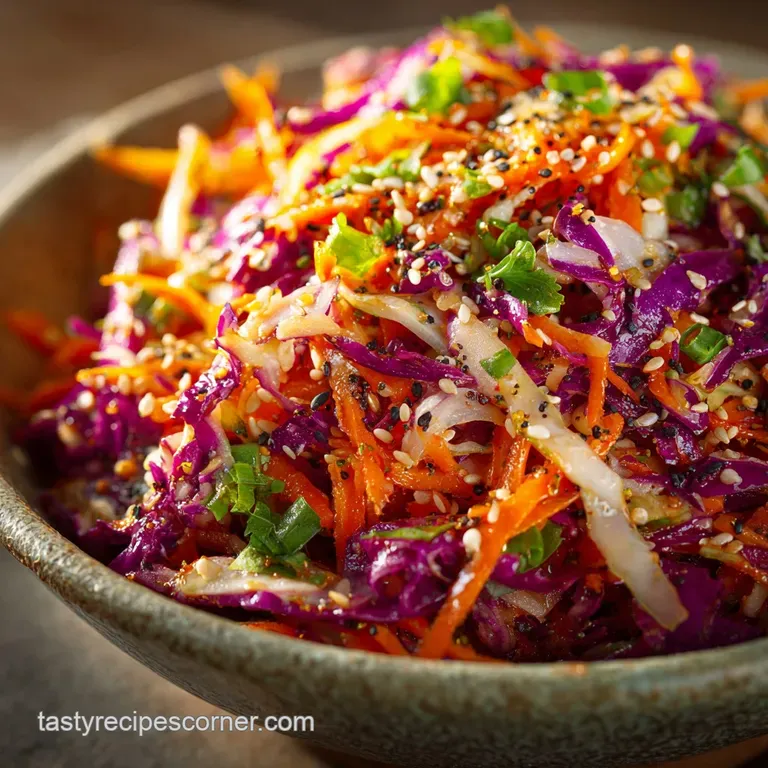
Prep 101: Shredding and Chopping Vegetables for Consistent Texture
Start by prepping the crunch: toast your almonds and sesame seeds in a dry pan over medium heat until they smell incredibly nutty, then set them aside immediately. Next, shred your cabbage thinly a sharp knife works, but a mandolin guarantees those perfect, hair thin strips.
Combine the shredded cabbage, carrots, bell peppers, spring onions, and coriander in your largest bowl.
Whisking Perfection: Emulsifying the Sesame Vinaigrette
In a separate medium bowl, combine all the dressing ingredients: rice vinegar, soy sauce, oils, sweetener, lime juice, ginger, garlic, and chili flakes. Whisk vigorously for at least 30 seconds until the mixture thickens slightly and the honey or syrup is fully dissolved. Taste it now!
This is the time to add a pinch more salt if needed, or maybe a tiny squeeze more lime for extra zing.
The Tossing Technique: When and How to Combine Ingredients
Pour approximately two-thirds of the dressing over the massive bowl of vegetables. Use tongs to toss and fold the slaw gently but thoroughly. The goal is to lightly coat everything; we are not aiming for a liquid puddle at the bottom of the bowl yet.
Hold the remaining dressing back ; you can add it just before serving if the slaw looks too dry after chilling.
The Crucial Rest Period (Allowing flavors to meld without losing crunch)
Cover the bowl and stash it in the refrigerator for at least 30 minutes. This period is essential because it allows the cabbage to soften slightly and absorb that complex ginger sesame flavor. Do not rush this step!
When the timer goes off, give it one final toss, check the moisture level, and if necessary, add a touch more reserved dressing.
Troubleshooting Your Slaw: Chef’s Tips and Common Mistakes
Preventing Soggy Slaw: The Dressing Timing Secret
The most common mistake people make is drowning the slaw immediately and serving it an hour later. Cabbage releases water when exposed to salt and acid, making it soggy fast. Tip: Dress lightly, chill for 30 minutes, and then add your crispy toppings right before it hits the table.
If you're prepping this for tomorrow, keep the dressing totally separate until 30 minutes before serving.
Fixing a Dressing That's Too Sweet or Too Sour
If your asian slaw dressing is too sweet, you need acid. Add a tiny splash more rice vinegar or lime juice to balance it out. If it’s too sour or tangy, add a small spoonful of honey or maple syrup to cut the sharpness. This simple balance adjustment is where home cooking becomes an art.
Chef's Note: I once grated the garlic so poorly that I had massive raw chunks floating in the dressing. Learn from my error: Use a microplane for the garlic and ginger! It ensures maximum flavor distribution and zero chunky surprises.
Longevity and Prep: Storing Asian Slaw (make-ahead Guide)
Making Slaw Ahead: Prepping Components for Speed
This slaw is a brilliant make-ahead side dish, provided you follow the separation rule. You can shred all the vegetables up to two days in advance and keep them tightly sealed in a container in the fridge. The dressing can also be made completely and stored separately for 3 4 days.
This means you only need 30 active minutes on serving day!
Refrigerating Leftovers: Max Freshness Duration
Once the Asian slaw has been fully dressed, the clock starts ticking. Because it's oil and vinegar based, it holds up better than mayo slaw, but maximum crunch lasts about 4 hours.
You can safely keep leftovers in the fridge for up to 2 days , though the cabbage will become significantly softer on the second day.
The Two-Container Storage Method (Slaw separate from dressing)
For the best texture the next day, always store the main shredded vegetable mix in one airtight container and the ginger sesame dressing in another. Only dress the portion you plan to eat 30 minutes before you serve it.
This is essential for preventing premature wilting and keeping your ultimate crunchy Asian slaw crunchy.
Can I Use Frozen Ingredients?
Absolutely not. The entire joy of this asian slaw recipe relies on the fresh, firm, high moisture content of the raw vegetables. Freezing and thawing cabbage or bell peppers will turn them into watery, flavorless mush, completely ruining the required crunch.
Stick to fresh, crisp ingredients for the best results.
Perfect Pairings: What to Serve Alongside this Vibrant Side Dish
This ultimate crunchy Asian slaw is incredibly versatile and works wonders when paired with heavier, richer main dishes. It’s perfect when used as a vibrant side dish for sticky pork ribs fresh off the grill or alongside grilled shrimp for a quick, healthy meal.
It also provides the essential fresh crunch when stuffing asian slaw for tacos or when layering a pulled pork sandwich.

Recipe FAQs
How far in advance can I prepare the Asian Slaw?
You can prepare the dressing up to three days ahead of time and store it tightly sealed in the refrigerator. The shredded vegetables should be prepared no more than 24 hours in advance and kept separate from the dressing.
To maintain maximum crunch, combine the dressing and vegetables no earlier than 30 minutes before serving.
Why did my slaw become watery or soggy after mixing?
Slaws become watery when salt and acidic ingredients, like rice vinegar and soy sauce, draw moisture out of the cabbage and carrots through osmosis. To minimize sogginess, wait until the last possible minute to dress the slaw, or mix in only half the dressing initially, reserving the rest for a quick freshen-up just before plating.
You can also lightly salt and rinse the cabbage beforehand to preemptively draw out some moisture.
My ginger sesame dressing tastes flat. How can I balance the flavors?
A flat dressing usually means it lacks balance between the four key tastes: salty, sweet, sour, and umami. Taste it and adjust by adding a pinch more brown sugar for sweetness, a tiny splash of lime juice for acidity, or a few drops of fish sauce or soy sauce for added depth and umami.
Remember, the dressing needs to taste slightly aggressive on its own because the volume of vegetables will dilute the overall intensity.
Can I make this Asian Slaw vegan and gluten-free?
This slaw is naturally vegan, making it an easy choice for plant based diets. To make it strictly gluten-free, you must ensure you swap traditional soy sauce for Tamari or a certified gluten-free soy sauce alternative. All other common ingredients, like rice vinegar and sesame oil, are typically gluten-free.
I don't have fresh ginger. Can I substitute powdered ginger?
It is strongly recommended to use fresh ginger, as it provides the essential bright, sharp, and juicy flavor profile that defines this slaw. Powdered ginger should be avoided in the dressing; it offers a dull, dusty flavor and texture that will not properly emulsify with the other liquid ingredients.
If you absolutely must substitute, grate a small amount of ginger paste, but fresh is always superior.
What is the best substitution for rice vinegar?
The best substitute for the mild acidity of rice vinegar is apple cider vinegar (ACV) or white wine vinegar. If using ACV, you may need to reduce the quantity slightly as it can be sharper.
Alternatively, use lime or lemon juice, but be sure to balance it with a little extra sweetener to counteract the intense citrus tartness.
What main dishes pair best with this Crunchy Asian Slaw?
This vibrant, zesty slaw is designed to cut through rich or fatty main courses, acting as an excellent palate cleanser. It pairs wonderfully with dishes like sticky BBQ pork ribs, grilled spicy salmon, slow cooked pulled chicken, or heavier Asian mains such as crispy Korean fried chicken.
Its crunch also provides a much needed textural contrast.
Crunchy Ginger Sesame Asian Slaw
Ingredients:
Instructions:
Nutrition Facts:
| Calories | 473 kcal |
|---|---|
| Protein | 13.5 g |
| Fat | 30.3 g |
| Carbs | 36.7 g |
