Mongolian Beef: Crispy and Caramelized
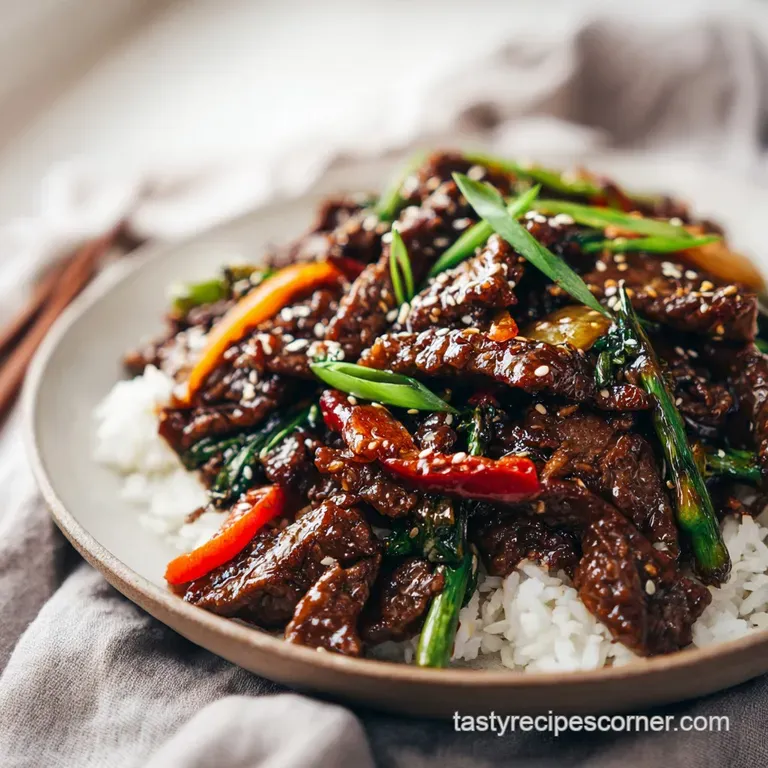
- Time: Active 10 minutes, Passive 10 minutes, Total 20 minutes
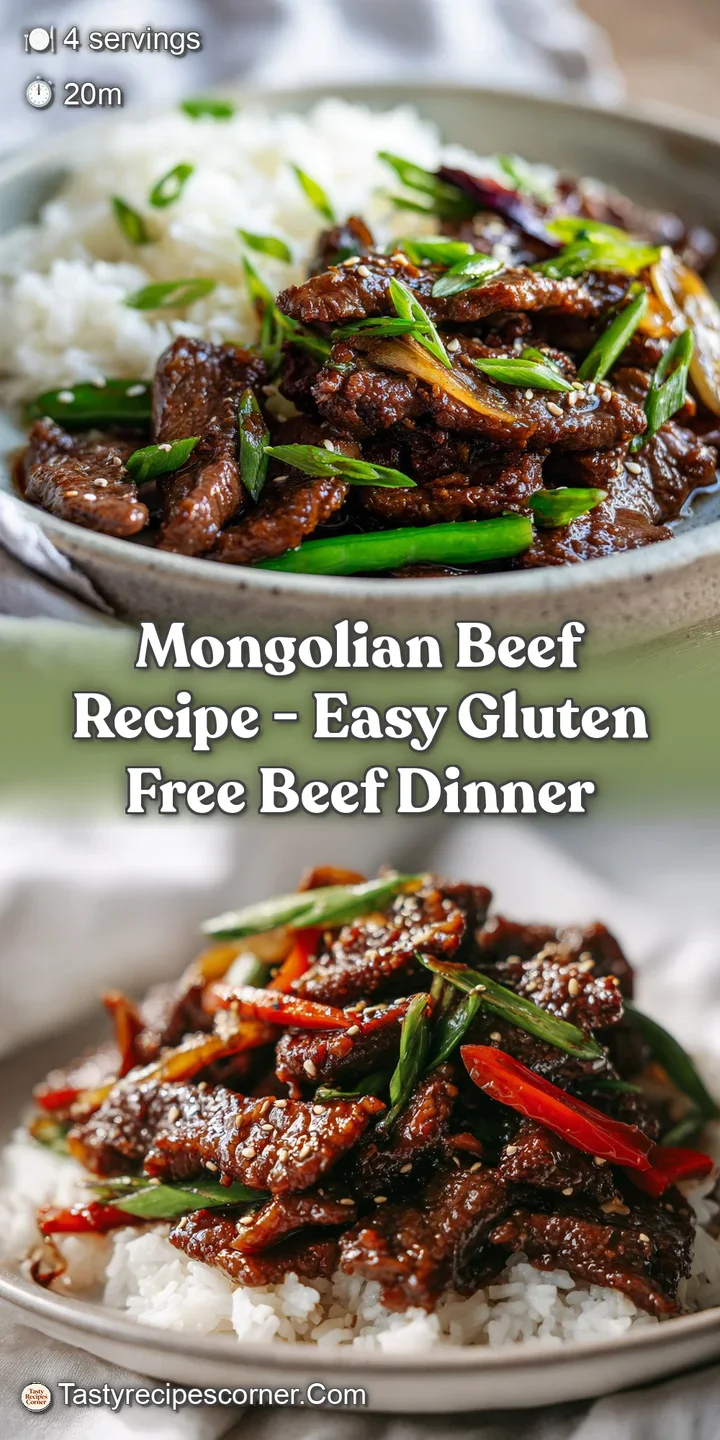
- Flavor/Texture Hook: Crispy, mahogany colored beef with a sweet and savory glaze
- Perfect for: A cozy family dinner that feels like a special treat
- Achieving The Perfect Crunch With This Mongolian Beef Recipe
- The Secrets To Achieving That Iconic Restaurant Texture
- The Deep Dive Into How These Ingredients Create Magic
- Everything You Need For A Hearty And Flavorful Feast
- The Simple Kitchen Tools Required For This Soul Warming Dish
- Mastering The Art Of Searing And Glazing Your Beef
- Fixing Common Stumbles For A Flawless Result Every Time
- How To Feed A Crowd Without Losing The Crunch
- Debunking The Biggest Misconceptions About Stir Fry Techniques
- Keeping Your Leftovers Fresh And Reducing Kitchen Waste Efficiently
- Hearty Sides That Complement The Bold Flavors Of Beef
- Very High in Sodium
- Recipe FAQs
- 📝 Recipe Card
Achieving The Perfect Crunch With This Mongolian Beef Recipe
Did you know that the secret to that glass like shine on restaurant beef isn't some expensive chemical, but rather a humble box of cornstarch and a very hot pan? I remember the first time I tried making a stir fry in my Tennessee kitchen, I ended up with a grey, soggy mess that looked more like boiled wool than dinner.
It was a total disaster, and my family ended up eating cereal that night. But that failure sent me on a mission to understand how the pros get that "velveted" texture that makes the meat feel so tender and substantial at the same time.
This dish is a masterclass in contrasts: you have the aggressive sizzle of the steak hitting the oil, the sweet depth of dark brown sugar, and the sharp, bright bite of fresh green onions. It is a soul warming meal that sticks to your ribs, providing that deep satisfaction only a hearty beef dish can offer.
We are looking for beef that shatters when you bite it, revealing a center that is as silky as butter.
When you cook this, your kitchen will fill with the aroma of toasted sesame and blooming garlic, a scent that honestly makes my neighbors knock on the door asking what's for dinner. It’s a meal that feels fancy but is built on the bones of simple pantry staples.
We are going to treat these ingredients with the respect they deserve to create something truly extraordinary for your family table.
The Secrets To Achieving That Iconic Restaurant Texture
- Starch Barrier: The cornstarch creates a physical shield around the meat fibers, which prevents the beef from drying out while simultaneously forming a crispy shell when it hits the hot oil.
- Molasses Reaction: Using dark brown sugar instead of white sugar provides molasses, which reacts with the soy sauce to create a thicker, more glass like glaze that clings to every nook and cranny.
- High Heat Searing: Medium high heat is essential because it triggers a rapid transformation of the surface proteins, giving us that mahogany color before the inside can become overcooked and rubbery.
- Aromatics Blooming: Ginger and garlic are fried briefly in the sauce liquid, which releases their essential oils directly into the glaze rather than just sitting on top of the meat.
| Thickness | Internal Temp | Rest Time | Visual Cue |
|---|---|---|---|
| 1/4 inch | 145°F | 1 minute | Mahogany crust, pink center gone |
The table above gives you a quick snapshot of how to handle the meat. Because the strips are so thin, they cook incredibly fast. You are looking for a firm crust that feels solid when you poke it with your tongs. If the meat feels soft or mushy, it needs another thirty seconds in that shimmering oil.
The Deep Dive Into How These Ingredients Create Magic
| Component | Science Role | Pro Secret |
|---|---|---|
| Flank Steak | Structural Base | Slice against the grain to shorten muscle fibers for a tender bite. |
| Cornstarch | Texture Architect | Let the starch sit on the meat for 2 minutes to ensure it fully adheres. |
| Dark Brown Sugar | Glaze Catalyst | The extra molasses content creates a darker, more complex sweetness. |
| Vegetable Oil | Heat Transfer | Use an oil with a high smoke point to allow for a violent, crispy sear. |
Understanding these components helps you navigate the kitchen with more confidence. For instance, the cornstarch isn't just a coating; it acts as a thickener for the sauce later in the process. If you’re looking for other ways to use up your beef stash, my Beef Breakfast Sausage is a great way to start the morning, much like this meal is a great way to end the day.
Everything You Need For A Hearty And Flavorful Feast
To get the results we want, you need to use the exact ingredients listed below. I've found that substituting for lower quality options usually results in a sauce that is too thin or beef that is too chewy. Stick to the plan and you will be rewarded with a meal that feels like a warm hug.
- 1 lb Flank steak or Top Sirloin: Sliced thin against the grain. Why this? These cuts have the beefy flavor needed to stand up to the bold sauce. (Substitute: Skirt steak)
- 1/4 cup Cornstarch: For dredging the meat. Why this? It creates the signature crispy exterior without the weight of flour. (Substitute: Arrowroot powder)
- 2 tbsp Vegetable oil: For frying. Why this? It handles high heat without burning or smoking excessively. (Substitute: Grapeseed oil)
- 1/2 cup Low sodium soy sauce: The salty backbone. Why this? Regular soy sauce makes this dish far too salty once it reduces. (Substitute: Tamari)
- 1/2 cup Dark brown sugar, packed: For the sweet glaze. Why this? It provides a deep, caramel like richness. (Substitute: Light brown sugar with a teaspoon of molasses)
- 1 tbsp Fresh ginger, minced: For zing. Why this? Fresh ginger has a bite that dried ginger simply cannot replicate. (Substitute: Ginger paste)
- 3 cloves Garlic, minced: For depth. Why this? It provides a savory foundation that balances the sugar. (Substitute: 1 tsp garlic powder in a pinch)
- 1/2 cup Water: To thin the sauce. Why this? It allows the sugar to dissolve and the sauce to simmer without burning. (Substitute: Beef broth for more depth)
- 1 tsp Sesame oil: For aroma. Why this? A little goes a long way in providing that toasted finish. (Substitute: Toasted sesame seeds)
- 2 large Green onions: Cut into 1 inch diagonal pieces. Why this? They add a fresh, oniony crunch at the very end. (Substitute: Chives)
- 1/2 tsp Red pepper flakes: For a hint of heat. Why this? It cuts through the sweetness of the glaze. (Substitute: A dash of sriracha)
The Simple Kitchen Tools Required For This Soul Warming Dish
You don't need a professional setup to make this work, but a few specific tools will make your life much easier. I prefer using a heavy bottomed cast iron skillet (like a Lodge) because it retains heat better than thin stainless steel.
When you add cold meat to a hot pan, the temperature drops; a heavy pan keeps that heat high so you get a sear instead of a steam.
You will also want a solid whisk for the sauce to ensure the brown sugar and cornstarch bits fully integrate. A pair of long kitchen tongs is your best friend here, allowing you to flip the beef strips individually to ensure every side gets that mahogany crust.
Finally, have a large bowl ready for tossing the beef in cornstarch. You want enough room to really get in there with your hands and make sure every single piece is white and powdery.
Mastering The Art Of Searing And Glazing Your Beef
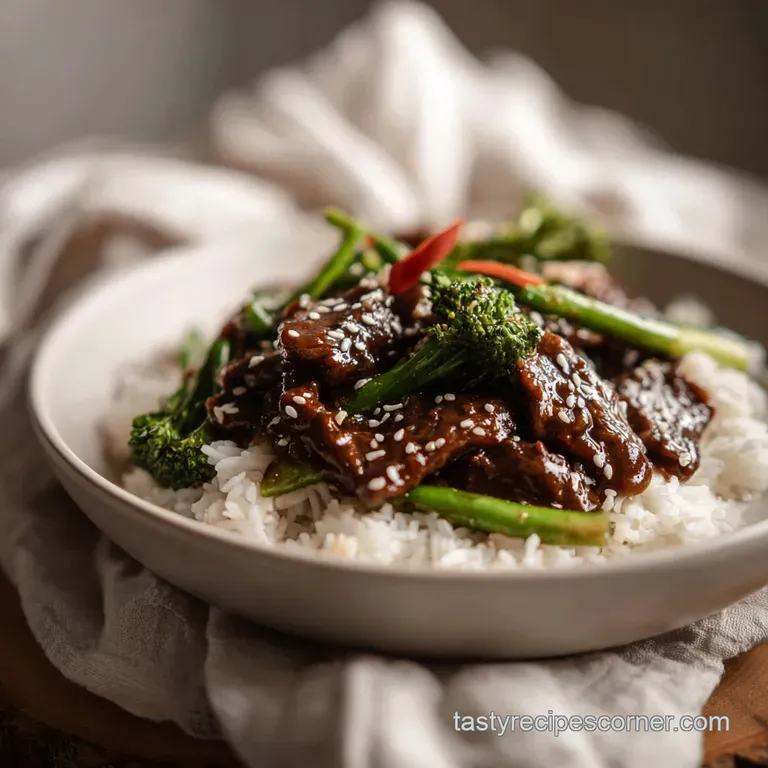
- Slice the steak into 1/4 inch thick strips against the grain. Note: This ensures the meat is easy to chew.
- Toss the beef with cornstarch in a large bowl until every piece is fully coated.
- Rest the meat for 2 minutes to allow the starch to adhere and become slightly tacky.
- Heat vegetable oil in a large wok or heavy bottomed skillet over medium high heat until it begins to shimmer and barely smoke.
- Add the beef in a single layer, avoiding overcrowding the pan.
- Sear for 1-2 minutes per side until the edges are mahogany colored and the crust is firm. Remove the beef and set aside.
- Whisk together the soy sauce, dark brown sugar, minced ginger, garlic, water, and sesame oil in the same pan.
- Simmer for 2-3 minutes until the sauce thickens slightly and bubbles lazily.
- Return the beef to the pan and toss with the green onions and red pepper flakes.
- Stir for 1 minute until the glaze is glass like and clings to the meat. Serve immediately.
Fixing Common Stumbles For A Flawless Result Every Time
One of the biggest issues people face is the coating falling off the meat. This usually happens because the pan wasn't hot enough or because they tried to flip the meat too soon. Patience is a virtue in a hot pan! Let that crust form properly before you even think about moving it.
If you see liquid pooling in the pan, your heat is too low and you are steaming the meat rather than searing it.
Another common problem is a sauce that is far too salty. This is why I emphasize the low sodium soy sauce. As the sauce simmers and water evaporates, the salt concentrates. If you use full sodium soy sauce, it becomes nearly inedible by the time it reaches that thick, syrupy consistency we love.
Why Your Beef Is Rubbery
If the beef feels like a rubber band, it’s likely because it was sliced with the grain instead of against it. Always look for the lines in the meat and cut across them. This shortens the fibers, making them easy to break apart with your teeth.
Why Your Sauce Is Too Thin
If the glaze won't cling to the beef, you haven't simmered it long enough. The sugar and the residual starch from the meat need time to work together. Give it another minute of bubbling until it looks like thick maple syrup.
| Problem | Root Cause | Solution |
|---|---|---|
| Soggy Coating | Pan crowded/Too cold | Sear in small batches; ensure oil is shimmering. |
| Too Sweet | Sugar ratio too high | Add a splash of rice vinegar or more red pepper flakes. |
| Bitter Garlic | Garlic burned in oil | Add garlic with the sauce liquids, not into the dry hot pan. |
When I’m not craving a stir fry, I usually reach for a big bowl of Beef Texas Chili because it hits those same notes of comfort and warmth, though it takes a bit longer to simmer on the stove.
Common Mistakes Checklist
- ✓ Pat the beef completely dry with paper towels before starching to prevent gummy clumps.
- ✓ Preheat your skillet for at least 3 minutes before adding the oil.
- ✓ Ensure the beef is in a single layer; if they touch, they steam.
- ✓ Don't skip the 2 minute rest after starching; it’s the "glue" phase.
- ✓ Use fresh ginger and garlic; the jars of pre minced stuff have a metallic aftertaste.
How To Feed A Crowd Without Losing The Crunch
If you are doubling this recipe to feed a larger family, do not simply throw twice the amount of meat into the pan. You must work in batches. If you overcrowd the pan, the temperature will plummet, and you will end up with grey, soggy beef.
Sear half the meat, remove it, let the pan get hot again, and then do the second half.
For the sauce, you can double the ingredients, but keep an eye on the reduction time. A larger volume of liquid takes longer to thicken. You might need to simmer the glaze for 5 or 6 minutes instead of the usual 3.
When scaling up spices like the red pepper flakes, I recommend only going to 1.5x the amount first, then tasting. Spices can become overwhelming very quickly in larger batches.
| Method | Time | Texture | Best For |
|---|---|---|---|
| Stovetop Wok | 20 minutes | Super crispy, smoky | Classic restaurant experience. |
| Cast Iron Skillet | 22 minutes | Hearty, even crust | Home cooks without a wok. |
| Air Fryer (Beef only) | 12 minutes | Very dry/crisp | Lower oil, but loses the "glaze" bond. |
Debunking The Biggest Misconceptions About Stir Fry Techniques
Many people think you need a massive flame and a professional wok to make a good Mongolian beef recipe. That is simply not true. While a wok is great for tossing, a flat bottomed skillet actually provides more surface area for that crucial searing.
You want as much meat touching the hot metal as possible to get that mahogany color.
Another myth is that you should marinate the beef in the sauce before cooking. If you do that, the meat will be too wet to take on a crispy starch coating. The "velveting" happens because the meat is dry on the outside when it hits the starch. The sauce is a finishing glaze, not a soak.
Adding the sauce at the end preserves the texture of the beef while still providing all that soul warming flavor.
Keeping Your Leftovers Fresh And Reducing Kitchen Waste Efficiently
This dish is best served immediately because the steam from the sauce will eventually soften that crispy starch coating. However, if you have leftovers, they stay delicious in the fridge for up to 3 days. To reheat, avoid the microwave if possible, as it will make the beef rubbery.
Instead, toss it back into a hot skillet with a tablespoon of water to loosen the glaze and refresh the edges.
For zero waste, don't throw away those green onion roots! You can place them in a small jar of water on your windowsill, and they will grow back in about a week. Also, if you have extra ginger root, peel it and keep it in the freezer.
It’s actually easier to grate when it’s frozen solid, and it will stay fresh for months.
Hearty Sides That Complement The Bold Flavors Of Beef
Since this is such a rich, sweet, and savory dish, you want sides that can soak up that extra glaze. A simple bowl of fluffy white rice is the traditional choice, but I often serve this over rice noodles for a bit of variety. The noodles catch the sauce in their curls, making every bite a flavor bomb.
If you want to keep things on the lighter side, a pile of steamed broccoli or snap peas provides a bright, crisp contrast to the heavy beef. The green color also makes the mahogany beef pop on the plate, making it look as good as it tastes.
For a truly hearty meal, some folks even serve this alongside a simple cucumber salad with rice vinegar to cut through the richness of the dark brown sugar. It’s all about balance in my Tennessee kitchen!
Very High in Sodium
1055 mg 1055 mg of sodium per serving (46% 46% of daily value)
The American Heart Association recommends limiting sodium intake to about 2,300mg per day, with an ideal limit of 1,500mg for most adults.
Tips to Reduce Sodium
-
Embrace Fresh Aromatics
Boost flavor with fresh ingredients like ginger and garlic. They add significant taste without any sodium.
-
Choose Ultra Low-Sodium Soy Sauce-25%
Switch from low-sodium soy sauce to an ultra low-sodium or sodium free alternative. This is the biggest sodium contributor.
-
Dilute the Sauce-20%
Use half the amount of low-sodium soy sauce and replace the other half with water or a low-sodium broth. This will significantly cut down the sauce's saltiness.
-
Reduce Added Sweeteners-5%
While not a direct sodium source, reducing the dark brown sugar can help balance the flavor profile if you reduce the soy sauce significantly.
-
Focus on Fresh Vegetables
Increase the quantity of fresh green onions and consider adding other low-sodium vegetables like bell peppers or broccoli florets for volume and flavor.
Recipe FAQs
What is Mongolian beef sauce made of?
The sauce consists of soy sauce, dark brown sugar, minced ginger, garlic, water, and sesame oil. These ingredients simmer together for 2-3 minutes to create a rich, mahogany colored glaze that clings to the beef.
What cut of beef is best for Mongolian beef?
Use flank steak or top sirloin for the best results. Always slice the meat into 1/4 inch thick strips against the grain to ensure the final dish is tender rather than chewy.
What is the difference between kung pow beef and Mongolian beef?
The main difference is the flavor profile and spice level. Mongolian beef relies on a sweet, savory soy-sugar glaze, whereas Kung Pao dishes typically incorporate Sichuan peppercorns and peanuts for a numbing, spicy, and nutty profile.
Do you use hoisin sauce in Mongolian beef?
No, this recipe does not use hoisin sauce. The authentic flavor profile here is achieved entirely through the combination of soy sauce, brown sugar, aromatics, and sesame oil.
How to ensure the beef gets that signature crispy crust?
Coat the beef thoroughly in cornstarch and sear in a shimmering hot pan. If you enjoyed mastering this high heat searing technique, you can apply similar heat control principles when preparing a hearty pot roast to develop deep color before slow cooking.
How to prevent the beef from becoming soggy after adding the sauce?
Remove the seared beef from the pan before simmering the sauce. Returning the crispy beef only at the very end and tossing for exactly one minute ensures the glaze clings to the meat without breaking down the cornstarch crust.
How to store and reheat leftovers?
Store in an airtight container in the refrigerator for up to three days. Reheat in a hot skillet for a minute to revive the texture, as microwaving will soften the crispy cornstarch coating.
Crispy Mongolian Beef Recipe
Ingredients:
Instructions:
Nutrition Facts:
| Calories | 414 kcal |
|---|---|
| Protein | 27g |
| Fat | 18g |
| Carbs | 37g |
| Fiber | 0.6g |
| Sugar | 26g |
| Sodium | 1055mg |
