One Pan Garlic Baked Chicken & Potatoes Recipe
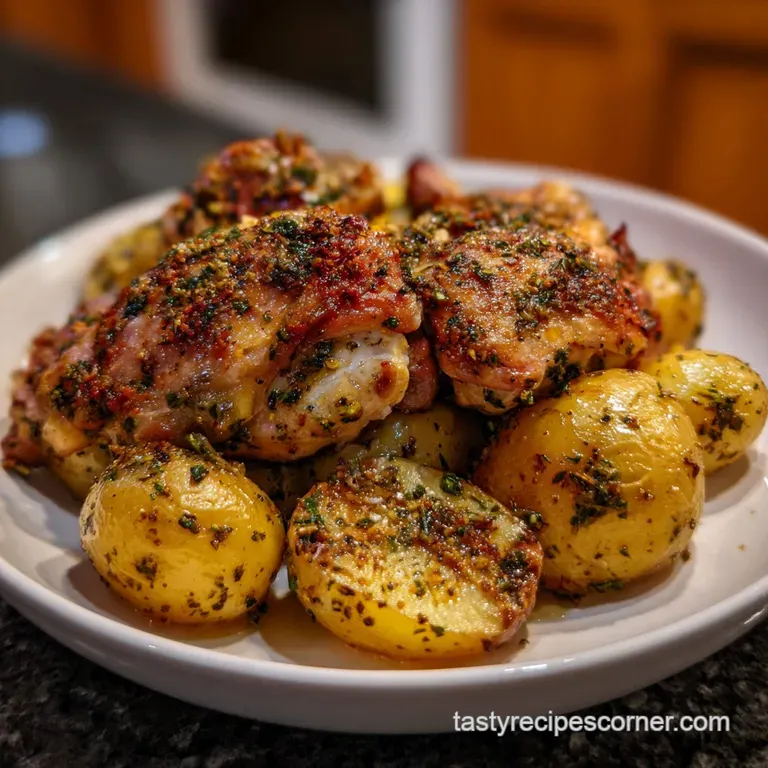
- Effort/Time: Low-effort prep, 60 minutes total.
- Flavor Hook: Herb-crusted skin with garlic-perfumed Yukon Golds.
- Perfect for: Mid-week meal-prep or a stress-free Sunday roast.
- The Thermodynamics of Crispy Skin and Velvety Yukon Golds
- Precision Logistics for This Roasted Chicken and Potatoes Recipe
- The Alchemy of Umami: Selecting Your Elements
- Precision Tools for Optimal Thermal Mass and Heat Distribution
- Phase-Based Execution for Superior Texture and Flavor Infusion
- Why Your Potatoes Turn Mushy: Diagnostic Troubleshooting Protocol
- Flavor Architecture: Creative Modifications for Every Palate
- Maintaining Structural Integrity During Cold Storage and Thermal Recovery
- The Art of Presentation and Complementary Side Dish Pairings
- Recipe FAQs
- 📝 Recipe Card
Master the Ultimate Chicken and Potatoes Recipe: A Technical Guide to Crispy Skin
We’ve all lived the nightmare: you pull a pan out of the oven hoping for a golden masterpiece, but instead, you find gray, rubbery chicken and potatoes swimming in a pool of unrendered fat. It’s the "wet steam" disaster that ruins many home cooked meals.
I’ve personally ruined at least half a dozen weeknight dinners by overcrowding my Lodge Cast Iron Skillet, effectively boiling the meat instead of roasting it.
But once I understood the physics of moisture migration and the Maillard reaction, everything changed. This chicken and potatoes recipe isn't just about throwing ingredients together; it’s about managing thermal mass and airflow.
We are looking for that specific shatter crisp texture on the skin and a potato that has absorbed enough chicken fat (schmaltz) to become practically custard like inside.
The secret lies in the engineering of the pan. By using 680g Yukon Gold potatoes cut into precise 1 inch cubes, we create a high surface area-to-volume ratio. This allows for rapid starch gelatinization while the 4 large bone-in, skin-on chicken thighs undergo protein denaturation, releasing juices that season the vegetables below.
Let’s break down the science of why this works.
The Thermodynamics of Crispy Skin and Velvety Yukon Golds
- Maillard Reaction Optimization: High heat (above 285°F) triggers the chemical reaction between amino acids and reducing sugars. This creates the mahogany color and complex flavors in our chicken and potatoes recipe.
- Schmaltz Infusion: As the chicken fat renders from the skin, it coats the potatoes. This lipid layer acts as a heat conductor, frying the exterior of the potato cubes while the interior steams in its own moisture.
- Collagen Hydrolysis: Bone-in thighs contain significant connective tissue. Over 45 minutes of cooking, this collagen breaks down into gelatin, providing a velvety mouthfeel that boneless cuts simply cannot replicate.
Precision Logistics for This Roasted Chicken and Potatoes Recipe
To achieve "Masterclass" results, you must adhere to the specific timings and yields. This chicken and potatoes recipe is calibrated for a standard 4 serving yield, ensuring the oven's thermal recovery time isn't compromised by a cold mass of meat.
- Prep Time: 15 minutes
- Cook Time: 45 minutes
- Total Time: 1 hour
- Yield: 4 servings
The Alchemy of Umami: Selecting Your Elements
Choosing the right components is the difference between a mediocre meal and a culinary success. We use Diamond Crystal Kosher Salt specifically for its hollow grain structure, which adheres better to the chicken skin and dissolves evenly into the potato starch.
| Ingredient | Chemical/Physical Role (Science) | The Pro Secret (Why This Matters) |
|---|---|---|
| Bone-in Chicken Thighs | Gelatin extraction via collagen hydrolysis | Creates silky mouthfeel and keeps meat juicy at high heat |
| Yukon Gold Potatoes | High amylopectin content for waxy/creamy texture | Holds shape during roasting while absorbing chicken lipids |
| Extra Virgin Olive Oil | Lipid medium for even heat distribution | High polyphenols add peppery depth and aid browning |
| Fresh Rosemary/Thyme | Essential oil infusion (Rosmarinic acid) | Volatile compounds withstand 45 mins of heat without burning |
- 4 large bone-in, skin-on chicken thighs (approx. 900g): Why this? Bones act as insulators, preventing the meat from overcooking during the 45 minute roasting cycle.
- 680g Yukon Gold potatoes: Why this? They have a medium starch content that provides a "velvety" center unlike mealy Russets.
- 30ml Bertolli Extra Virgin Olive Oil: Why this? Provides the necessary fat for the 1g smoked paprika to bloom its fat-soluble flavors.
- 6 cloves garlic, minced (30g)
- 5g Diamond Crystal Kosher salt
- 2g cracked black pepper
- 5g fresh rosemary, finely chopped
- 5g fresh thyme leaves
- 1g smoked paprika
Precision Tools for Optimal Thermal Mass and Heat Distribution
For this chicken and potatoes recipe, your choice of pan is critical. Avoid thin, flimsy baking sheets that warp. A heavy duty Nordic Ware Half Sheet Pan or a Lodge 12 inch Cast Iron Skillet is preferred because they retain "thermal mass." This means when you put the cold chicken on the pan, the surface temperature doesn't plummet, which prevents the potatoes from sticking and ensures the "sizzle" starts immediately.
If you are looking for a different protein profile, you might enjoy my Beef Breakfast Sausage recipe, which also relies on high-quality meat-to-fat ratios. However, for a one-pan dinner, the sheet pan is your best friend.
Phase Based Execution for Superior Texture and Flavor Infusion
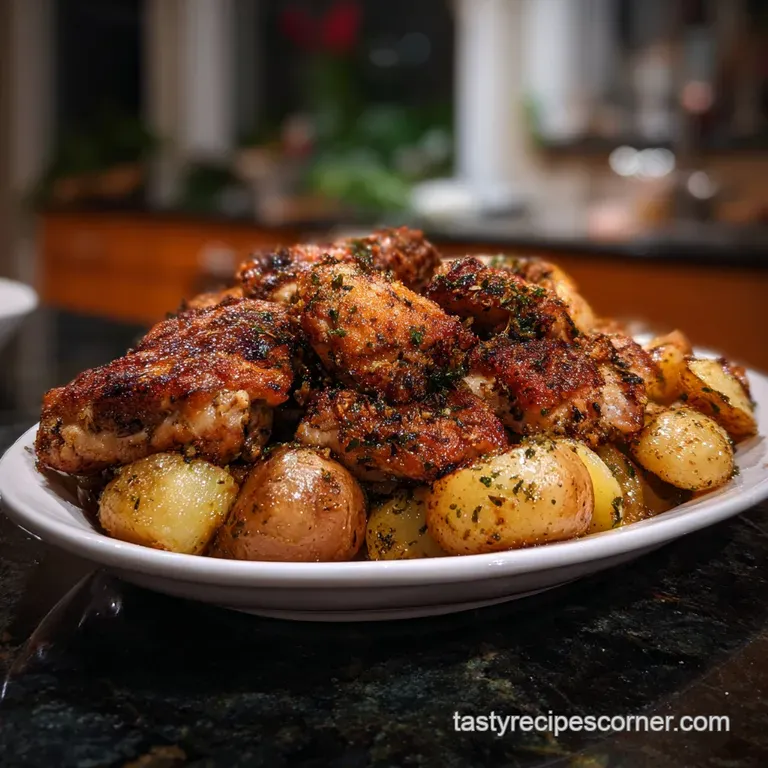
- Preheat the oven to 425°F (218°C). Note: High initial heat is required for the Maillard reaction to begin before the meat dries out.
- Pat the 900g of chicken thighs with paper towels until the skin is bone dry and matte in appearance.
- Whisk the 30ml olive oil, 5g salt, 2g pepper, 30g minced garlic, rosemary, thyme, and 1g smoked paprika in a large bowl.
- Toss the 680g of cubed Yukon Gold potatoes in the oil mixture until every surface is glossy and translucent.
- Dredge the chicken thighs in the remaining herb oil until the skin is fully coated in aromatics.
- Arrange the potatoes on the sheet pan in a single layer until no two cubes are touching, ensuring airflow.
- Nestle the chicken thighs among the potatoes, skin side up, until the pan is balanced but not crowded.
- Roast for 45 minutes until the chicken skin is a deep mahogany brown and the juices run clear.
- Verify the internal temperature with a Thermapen reaches 165°F (74°C) until the probe slides into the thigh with zero resistance.
- Rest the meat for 10 minutes until the muscle fibers relax and reabsorb the internal juices.
Why Your Potatoes Turn Mushy: Diagnostic Troubleshooting Protocol
The most common failure in any and potatoes recipe is the "Steam Trap." If your potatoes are soft instead of crispy, it's usually a matter of starch management or pan geometry.
Why Your Potatoes Lack Texture
Potatoes contain cells filled with starch granules. When heated, these granules undergo "starch gelatinization," where they absorb water and swell. If there is too much moisture in the pan (from un-dried chicken or crowded vegetables), the exterior cannot dehydrate. Without dehydration, you get no "shatter" crunch.
| Problem | Root Cause | The Fix | Pro Protocol |
|---|---|---|---|
| Soggy Potatoes | Overcrowded pan (Steam buildup) | Use a larger pan or two pans | Space items 1 inch apart for airflow |
| Burnt Garlic | Minced too fine or added too early | Use a coarser mince (30g) | Coat garlic thoroughly in oil to insulate |
| Dry Chicken | Overcooking past 175°F | Use a meat thermometer | Pull at 160°F; carryover heat hits 165°F |
Flavor Architecture: Creative Modifications for Every Palate
While this base chicken and potatoes recipe is a classic, you can adjust the aromatics to change the profile. For instance, creating a Garlic Parm Chicken And Potatoes variation simply requires tossing the potatoes in 30g of grated Parmesan during the last 5 minutes of roasting.
If you're feeling like a different flavor profile entirely, similar to my Shrimp Cream Pasta Recipe, you could swap the rosemary for lemon zest and parsley for a brighter, Mediterranean finish.
| Original Ingredient | Substitute | Why It Works |
|---|---|---|
| Yukon Gold Potatoes | Red Bliss Potatoes | Similar waxy texture; keeps shape well. |
| Fresh Rosemary | Dried Oregano | Use 1/3 the amount; earthy/savory profile. |
| Chicken Thighs | Chicken Drumsticks | Similar fat content; slightly shorter cook time (35 40 mins). |
| Smoked Paprika | Chipotle Powder | Adds significant capsaicin heat and smoky depth. |
Maintaining Structural Integrity During Cold Storage and Thermal Recovery
To preserve the quality of your and potatoes recipe, you must manage moisture during storage.
- Fridge: Store in an airtight container for up to 4 days. The skin will lose its "shatter" as it absorbs moisture from the meat.
- Freezing: Not recommended for the potatoes, as the cellular walls of Yukon Golds collapse when frozen, resulting in a grainy texture upon thawing.
- Reheating: Avoid the microwave. Reheat in an oven or air fryer at 375°F for 10 minutes. This re-dehydrates the skin and re-crisps the potato starch via secondary lipid conduction.
Chef's Tip: To take this chicken and potatoes recipe to the next level, freeze your 30ml of olive oil for 10 minutes before mixing. The thickened oil creates a "paste" that clings better to the smooth skin of the chicken, ensuring an even crust.
The Art of Presentation and Complementary Side Dish Pairings
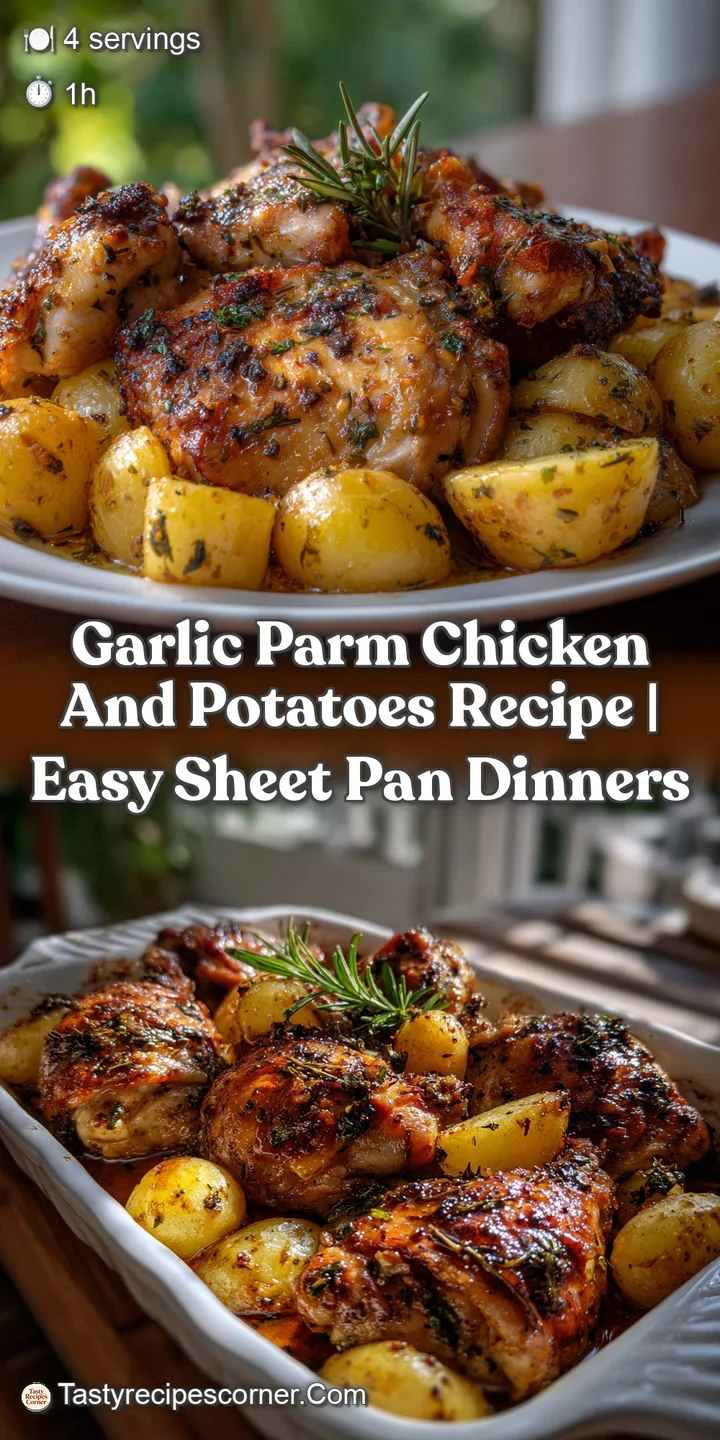
When serving this dish, the presentation should highlight the textures we worked so hard to achieve. Plate the chicken on top of the potatoes to prevent the bottom of the thigh from becoming soggy.
For a complete meal, consider pairing this with a light green salad or a Sheet Pan Chicken Potatoes Broccoli variation where you add florets in the last 15 minutes. If you want to master the roasting technique further, check out my guide on How To Bake recipe for more technical details on oven positioning.
Common Myths About Roasting Chicken
Myth: You must wash chicken before cooking. Truth: Washing chicken spreads pathogens via aerosolized water droplets. The 425°F oven temperature in this chicken and potatoes recipe effectively kills all surface bacteria while keeping your kitchen safe.
Myth: Potatoes must be peeled for the best flavor. Truth: The skin of the Yukon Gold is thin and contains the highest concentration of minerals. Leaving the skin on provides a structural "casing" that helps the potato hold its 1 inch cube shape during the starch gelatinization phase.
Zero Waste Philosophy
Don't discard the chicken bones or the herb stems. Transform: Save the roasted bones in a freezer bag. Science: Use them to make a collagen rich stock.
The roasting process has already initiated the Maillard reaction on the bones, which will result in a deeper, more "umami" flavored broth than using raw bones.
This chicken and potatoes recipe is a testament to the power of simple ingredients treated with scientific precision. By focusing on surface moisture, pan crowding, and the specific properties of Yukon Golds, you've moved from "making dinner" to "engineering flavor." Enjoy the sizzle.
Recipe FAQs
What is the single most important step for crispy chicken skin?
High heat roasting (425°F+). Surface temperature exceeding the boiling point of water (212°F) is necessary for rapid dehydration and Maillard browning. This process seals the skin quickly before the potato moisture steams the underside.
- Ensure chicken skin is fully patted dry
- Use minimal seasoning below the skin
- Place chicken directly on the sheet pan or cast iron
Can I use Russet potatoes instead of Yukon Golds?
Yukon Golds yield better texture. Russets have a higher starch content, which can lead to mushier edges upon slow release of moisture. Yukon Golds maintain structural integrity better during high heat rendering of the chicken fat.
How do I avoid soggy potatoes on a sheet pan?
Space them adequately; avoid overcrowding the pan. Steam buildup from crowded vegetables traps moisture, preventing evaporation necessary for crisping. If you master the high heat searing technique here, you can easily apply the same principles for perfectly rendered crusts on pastries, like in our Empanada Dough: The Flakiest All-Purpose Recipe for Baking or Frying.
Is brining the chicken necessary for this fast roast?
No. Quick basting suffices for moisture retention. Brining is time intensive; for this 60-minute method, a simple herb butter application immediately before roasting achieves adequate surface seasoning and moisture barrier.
What temperature should the chicken reach internally?
165°F (74°C). Use an instant read thermometer inserted into the thickest part of the thigh without touching bone. Carryover cooking will raise the temperature slightly, ensuring safety and juiciness.
Myth: Using olive oil instead of schmaltz ensures a healthier dish.
Myth: Olive oil has a lower smoke point than rendered chicken fat. Reality: Olive oil scorches at high roasting temperatures, imparting bitter flavors while the schmaltz remains stable, facilitating superior flavor transfer to the potatoes.
Should I sear the chicken first or roast everything together?
Roast everything together for maximal fat infusion. Searing separately adds a cleanup step; placing the chicken atop the potatoes allows the rendered fat and herb runoff to baste the potatoes underneath during the roast cycle, creating superior flavor depth, similar to balancing acidity in our Lemon Drop Cocktail: The Best Zesty Classic Martini Recipe.
Crispy Garlic Chicken Potatoes
Ingredients:
Instructions:
Nutrition Facts:
| Calories | 562 calories |
|---|---|
| Protein | 34g |
| Fat | 33g |
| Carbs | 31g |
| Fiber | 4g |
| Sugar | 1g |
| Sodium | 645mg |
