Creamy Garlic Chicken
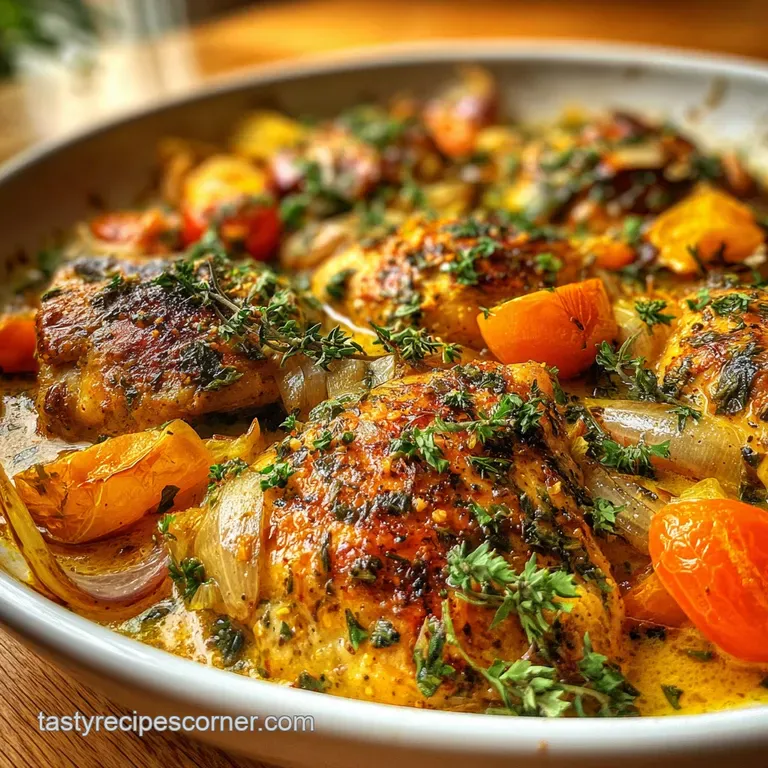
- Time: Active 15 minutes, Passive 20 minutes, Total 35 minutes
- Flavor/Texture Hook: Shatter crisp chicken meets velvety cream
- Perfect for: Sunday family dinner or cold weather comfort
You know that specific sound when butter hits a hot cast iron skillet and begins to foam? That is the sound of a good night ahead. I remember the first time I tried to make a garlic cream sauce back in my early days in the kitchen; I ended up with something that looked more like scrambled eggs than a velvety gravy.
I had the heat too high and the patience too low. But after years of trial and error, I found the secret to getting that restaurant quality finish right in your own home.
This Creamy Garlic Chicken isn't just another weeknight meal; it is a lesson in balance. We are taking the sharp, pungent bite of fresh garlic and mellowing it down in a bath of heavy cream and shimmering butter. The result is a sauce so rich and hearty it could make a piece of cardboard taste like a five star meal.
But we aren't using cardboard; we are using 1.5 lbs chicken breast cutlets that we’ll sear until they have a crust that practically crackles when your fork hits it.
The real magic here lies in the contrast. We have the smoky warmth of paprika, the salty punch of Parmesan, and the bright, earthy pop of fresh thyme. It’s a soul warming dish that fills the whole house with an aroma that’ll have your neighbors knocking on the door.
Trust me on this: once you see how those baby spinach leaves wilt into the golden sauce, you’ll never go back to the jarred stuff again.
Why This Flavor Profile Wins
Building a meal that sticks to your ribs requires understanding how textures play together. In this recipe, the flour dredging does more than just give the chicken a golden coat; it acts as a primary thickener for the sauce later on. This is a technique I learned after many "watery sauce" disasters.
When you sear the floured chicken, bits of toasted starch stay behind in the pan, waiting to bind with the cream and broth to create a thick, velvety consistency.
The contrast here is what makes the dish memorable. You have the crisp, savory exterior of the chicken cutlets playing against the smooth, lush garlic cream. Then, there is the brightness of the spinach and the subtle heat from the red pepper flakes that cut right through the richness of the heavy cream.
It's a balance of heavy and light that keeps you coming back for a second helping.
The Science of Why it WorksMaillard Reaction: over High heat searing creates complex flavor molecules and a brown crust on the chicken. Starch Gelatinization: Flour particles from the chicken dredge absorb liquid and swell, creating a stable, thickened emulsion in the sauce.
- Searing Technique: Always pat the chicken dry before dredging to ensure the flour sticks and crisps rather than turning into a gummy paste.
- The Fond: Those little brown bits stuck to the bottom of the pan are concentrated flavor gold; don't scrub them away, dissolve them with the broth.
- Garlic Timing: We slice the garlic thin rather than mincing it to prevent burning, allowing it to soften and sweeten in the butter.
Deep Flavor Analysis
When we talk about "soul warming" food, we are talking about layers. The smoked paprika provides a backdrop of campfire warmth, while the seven cloves of garlic provide the aromatic punch. It’s important to use low sodium chicken broth here so you can control the salt levels yourself with the kosher salt. If you find yourself craving a slightly lighter version without the heavy cream, my Garlic Butter Chicken recipe offers a silky alternative that still hits those savory notes.
The Power of Starch
Many people make the mistake of adding a heavy cornstarch slurry at the end of a recipe, which can lead to a "plastic" mouthfeel. By using the flour on the chicken as our primary thickener, the sauce develops a more natural, velvety body.
This happens as the toasted flour proteins mingle with the fats from the butter and cream. It is a traditional method that never fails to produce a hearty, reliable result.
Essential Pantry and Produce Needs
| Ingredient | Science Role | Pro Secret |
|---|---|---|
| Heavy Cream | Fat Emulsification | Use room temp cream to prevent the sauce from breaking. |
| Fresh Garlic | Aromatic Base | Slice into paper thin "chips" for a mellow, sweet finish. |
| Parmesan Cheese | Salt and Binding | Grate it yourself; pre shredded has cellulose that prevents melting. |
| Smoked Paprika | Flavor Depth | Bloomed in oil, it releases fat soluble compounds for better color. |
Everything in this list has a specific job. The 1.5 lbs chicken breast needs to be sliced into even cutlets so they cook at the same rate. If one is thick and one is thin, you’ll end up with one dry piece and one raw piece, and nobody wants that in their Tennessee kitchen.
- 1.5 lbs chicken breast, sliced into cutlets
- Substitute: Chicken thighs (boneless/skinless)
- Why this? Breast cooks fast and absorbs the cream sauce beautifully.
- 0.5 cup all purpose flour
- Substitute: Cornstarch (use half the amount)
- 1 tsp smoked paprika
- Substitute: Sweet paprika
- 1 tsp kosher salt
- Substitute: Sea salt
- 0.5 tsp cracked black pepper
- Substitute: White pepper
- 2 tbsp extra virgin olive oil
- Substitute: Avocado oil
- 1 tbsp unsalted butter
- Substitute: Ghee
- 7 cloves fresh garlic, thinly sliced
- Substitute: 1.5 tsp garlic powder
- 1 cup heavy cream
- Substitute: Full fat coconut milk
- Why this? Provides the essential fat for a velvety, rich mouthfeel.
- 0.5 cup low sodium chicken broth
- Substitute: Vegetable broth or dry white wine
- 0.5 cup freshly grated Parmesan cheese
- Substitute: Pecorino Romano
- 1 tsp fresh thyme leaves
- Substitute: 0.5 tsp dried thyme
- 0.5 cup fresh baby spinach
- Substitute: Kale or chopped parsley
- 0.25 tsp red pepper flakes
- Substitute: Cayenne pepper
Right then, let's talk about the garlic. Seven cloves might sound like a lot, but when they are sliced thin and simmered, they lose that "vampire slaying" bite and turn into something sweet and buttery. It is the backbone of this whole dish.
Necessary Tools for This Skillet
To get that perfect sear, you really need a heavy bottomed skillet. I swear by my 12 inch cast iron pan. It holds heat like nothing else, which means when you drop that cold chicken in, the temperature doesn't plummet.
A stainless steel pan also works wonders because it develops a beautiful "fond" (those brown bits) that we need for the sauce.
You'll also want a sharp chef's knife to get those garlic cloves paper thin. If they are too thick, they won't soften in time, and biting into a hard chunk of garlic isn't the "flavor" experience we're going for.
A good whisk is also non negotiable for making sure the cream and Parmesan marry into a smooth, velvety sauce without any clumping.
Chef Tip: Freeze your block of Parmesan for about 10 minutes before grating. It makes the cheese firmer and prevents it from turning into a clump of mush against the grater, giving you those light "snow" flakes that melt instantly.
Essential Steps for Golden Texture
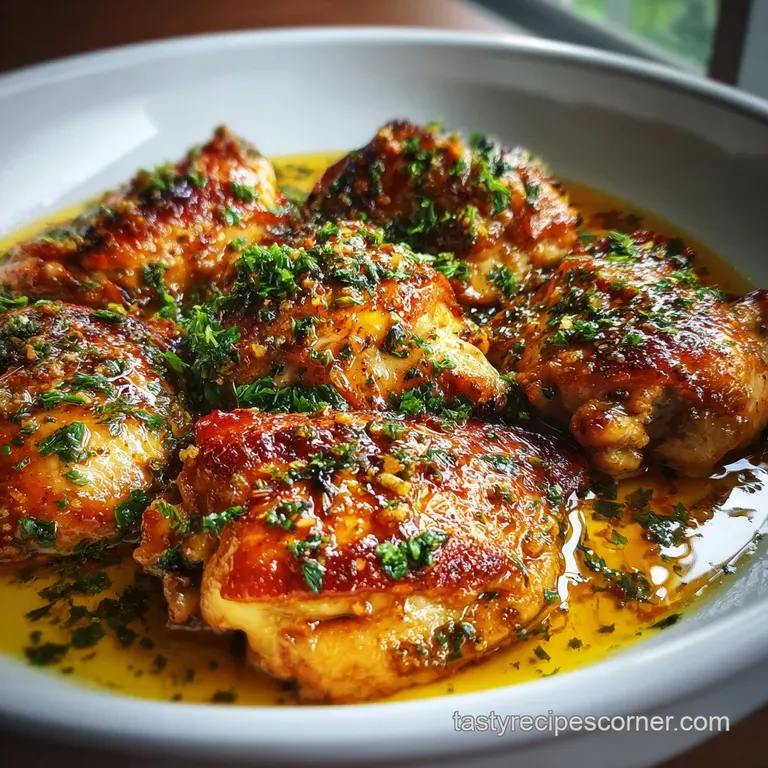
1. Preparation and Flour Dredging
Mix the 0.5 cup all purpose flour, 1 tsp smoked paprika, 1 tsp kosher salt, and 0.5 tsp cracked black pepper in a shallow bowl. Pat your 1.5 lbs chicken breast cutlets completely dry with paper towels.
Note: Moisture is the enemy of a good sear. Press each side of the chicken into the flour mixture until coated, then shake off the excess.
2. The over High heat Sear
Heat 2 tbsp extra virgin olive oil and 1 tbsp unsalted butter in your large skillet over medium high heat. Wait until the butter stops foaming and begins to turn a slight nut brown color. Place the chicken in the pan.
Cook for 5 minutes until the edges are golden and the bottom is shatter crisp.
3. Aromatics and Deglazing
Flip the chicken and cook for another 4 minutes. Remove the chicken from the pan and set it on a plate. Lower the heat to medium. Toss in your 7 cloves of thinly sliced garlic and 0.25 tsp red pepper flakes. Sauté for 1 minute until the garlic is fragrant and translucent.
4. Building the Velvety Sauce
Pour in the 0.5 cup low sodium chicken broth. Use a wooden spoon to scrape all those brown bits off the bottom of the pan. Note: This is the deglazing process that builds deep flavor. Stir in the 1 cup heavy cream and 1 tsp fresh thyme.
Simmer for 3 minutes until the sauce begins to thicken and bubble.
5. The Final Simmer
Whisk in the 0.5 cup freshly grated Parmesan cheese until it is fully melted and smooth. Add the 0.5 cup fresh baby spinach and stir until the leaves are just wilted and bright green. Slide the chicken back into the skillet.
Spoon the sauce over the meat and let it warm through for 2 minutes. Serve immediately while the sauce is at its peak silkiness.
| Fresh Garlic | Shortcut (Jarred) | Outcome |
|---|---|---|
| Hand sliced thin | Pre minced in water | Fresh garlic offers a sweet, nutty profile; jarred can taste acidic or metallic. |
| Whole cloves | Garlic paste | Whole cloves provide texture and a "slow burn" aroma; paste is one dimensional. |
Solving Common Texture Problems
Why the sauce broke
If your sauce looks oily or grainy, it usually means the heat was too high when you added the cream or the cheese. Dairy is sensitive to temperature shocks. If you boil heavy cream too vigorously, the fat can separate from the liquid.
Similarly, if you dump in the Parmesan all at once into a boiling pan, it will clump into a rubbery ball. Always lower your heat before adding the dairy and whisk constantly.
Toughened chicken breast
Overcooking is the most common crime against chicken breast. Since we are using cutlets, they cook much faster than a whole breast. If you leave them in the pan for 10 minutes per side, they will turn into shoe leather. Use an instant read thermometer to check for 165°F.
Remember that the chicken will continue to cook slightly once it's tucked back into the warm sauce, so pulling it at 160°F is usually a safe bet.
Bitter garlic flavor
Garlic turns bitter the second it burns. Because we are using a lot of it seven cloves you have to be vigilant. If your pan is screaming hot when you add the garlic, it will turn dark brown in seconds. This creates a sharp, unpleasant taste that will ruin the entire sauce.
Always drop the heat to medium or medium low before the garlic hits the pan to ensure it softens gently.
| Problem | Root Cause | Solution |
|---|---|---|
| Grainy Sauce | Added cheese too fast | Whisk in cheese slowly over low heat; use room temp cream. |
| Dry Chicken | Heat too high for too long | Slice cutlets evenly; remove from pan as soon as they reach 160°F. |
| Bland Flavor | Not enough salt/acid | Add a squeeze of fresh lemon juice or an extra pinch of kosher salt at the end. |
Exciting Customizations and Flavor Swaps
One of the things I love about this Creamy Garlic Chicken is how easy it is to tweak based on what’s in your fridge. If you want a bit more of a kick, you can double the red pepper flakes. If you're out of spinach, chopped kale or even peas work beautifully to add a pop of color. For a full meal that covers all your bases in one pan, this Chicken and Potatoes Recipe uses similar garlic techniques but adds a shatter crisp finish to the tubers.
If you are looking for a lower carb option, skip the flour dredge and just season the chicken with salt, pepper, and paprika before searing. You’ll lose a bit of that "shatter crisp" exterior, but the sauce will still be incredibly rich.
You can also swap the heavy cream for full fat coconut milk; it changes the flavor profile to something more tropical and nutty, but it still provides that essential velvety texture.
- Make it Pasta: Toss 8 oz of cooked linguine or penne directly into the sauce before adding the chicken back.
- Mushroom Twist: Sauté 1 cup of sliced cremini mushrooms before adding the garlic for an earthy depth.
- Sun dried Tomato: Add 1/4 cup of chopped sun dried tomatoes for a sweet and tangy contrast.
Storage and Zero Waste Methods
Leftover chicken will stay good in an airtight container in the fridge for up to 3 days. When you go to reheat it, don't just zap it in the microwave on high power; the cream sauce will separate and turn oily.
Instead, place it in a small skillet over low heat with a splash of chicken broth or milk to loosen the sauce back up. Stir gently until it's warmed through.
I am a big believer in using every part of the ingredient. Those garlic skins you peeled? Throw them into a freezer bag with your other veggie scraps like onion ends and carrot peels. When the bag is full, boil them all down to make a "scrap broth" that you can use for your next batch of chicken.
Also, if you have extra spinach that's starting to look a little sad, don't toss it blend it into a pesto or add it to a morning smoothie.
Finishing Touches for Better Tables
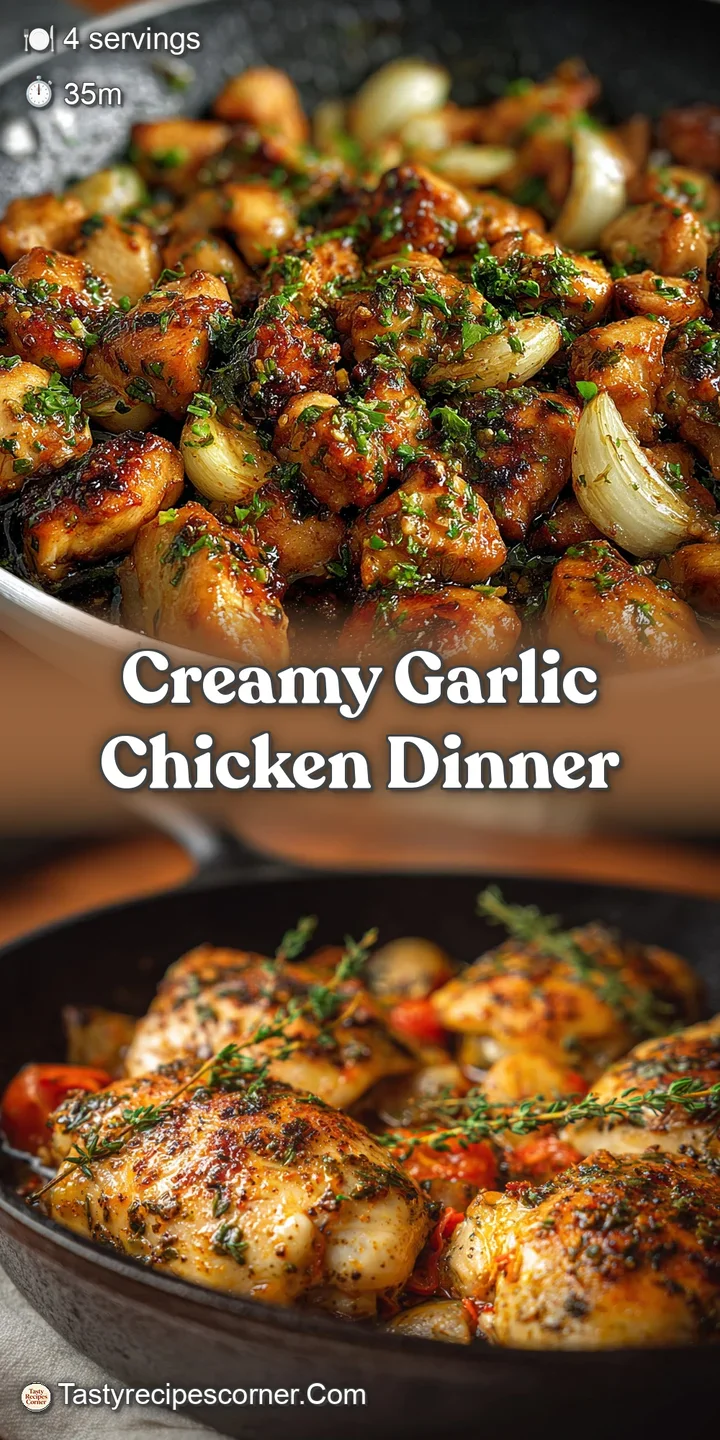
Presentation is about more than just looking pretty; it sets the mood for the meal. I like to serve this dish in the same skillet I cooked it in there’s something so rustic and inviting about a cast iron pan sitting in the middle of the table.
To give it that "restaurant" look, garnish with a few extra sprigs of fresh thyme and a final dusting of freshly cracked black pepper.
For sides, you want something that can soak up every drop of that garlic cream sauce. Mashed potatoes are a classic choice, but a crusty piece of sourdough bread is also a fantastic vehicle for sauce mopping.
If you want something a bit lighter, a simple arugula salad with a lemon vinaigrette provides a sharp, peppery contrast to the heavy cream.
- The "Spoon" Test: Before serving, dip a spoon into the sauce. If it coats the back of the spoon and you can draw a clear line through it with your finger, it’s the perfect consistency.
- Color Pop: Always add the spinach at the very last second. You want it wilted but still vibrant green, not dark and slimy.
- The Garnish: A sprinkle of extra Parmesan right before the pan hits the table adds a fresh salty note that wakes up the cooked cheese in the sauce.
Cooking Myths Debunked
Many people believe that searing meat "seals in the juices." This is actually a myth. Moisture loss happens regardless of searing. The real reason we sear is for the Maillard reaction, which creates those deep, savory flavors and that satisfying crunch.
Another myth is that you can't use heavy cream in a "healthy" meal. In reality, a little bit of high-quality fat helps you feel full longer and carries the flavors of the garlic and spices much more effectively than a low-fat substitute would.
Final Checkpoints
- Chicken Temp: 165°F internal temperature for safety and juiciness.
- Sauce Weight: It should be thick enough to cling to the chicken, not run off like water.
- Garlic Texture: The slices should be soft enough to smash with a fork, never crunchy or burnt.
This recipe is a staple in my home because it’s reliable, hearty, and feels much more "fancy" than the 35 minutes of work would suggest. Whether it's a rainy Tuesday or a busy Sunday, this chicken always delivers that soul warming comfort we all need.
Give it a try, and don't be afraid of those seven cloves of garlic your taste buds will thank you.
Recipe FAQs
Can I use pre-minced garlic instead of fresh cloves?
No, it's best to use fresh. Pre-minced garlic can have a metallic or acidic taste and doesn't soften as nicely in the sauce. Freshly sliced garlic provides a sweeter, mellower flavor when cooked slowly.
How do I prevent the cream sauce from breaking?
Lower the heat and whisk constantly. Dairy is sensitive to high temperatures. Ensure your cream is at room temperature and never boil the sauce vigorously, especially after adding cheese.
Why is my chicken breast dry and tough?
You likely overcooked it. Chicken breast cutlets cook very quickly. Aim to remove them from the heat when they reach an internal temperature of around 160°F and let them finish cooking in the warm sauce.
Is it necessary to dredge the chicken in flour?
Yes, it is crucial for both texture and sauce. The flour coating helps achieve a crispy exterior on the chicken and acts as a primary thickener for the sauce as it browns in the pan.
Can I substitute heavy cream with a lighter option?
Yes, but the texture will change. Full fat coconut milk can work as a substitute, offering a tropical flavor profile while still providing a creamy base, similar to how coconut milk is used in some shredded chicken recipes.
What can I serve with Creamy Garlic Chicken?
Hearty sides that soak up the sauce are best. Consider mashed potatoes, crusty bread, or even pasta. For a one-pan meal, this Chicken and Potatoes Recipe: Shatter Crisp & Velvety incorporates similar garlic techniques.
How do I reheat leftovers without ruining the sauce?
Reheat gently over low heat with a splash of liquid. Avoid microwaving on high power, as this can cause the cream sauce to break. Add a little broth or milk to the skillet while warming to help emulsify the sauce.
Creamy Garlic Chicken
Ingredients:
Instructions:
Nutrition Facts:
| Calories | 677 kcal |
|---|---|
| Protein | 59.4 g |
| Fat | 40.2 g |
| Carbs | 14.8 g |
| Fiber | 0.9 g |
| Sugar | 2.1 g |
| Sodium | 762 mg |
