Coconut Rice Recipe: Velvety & Aromatic
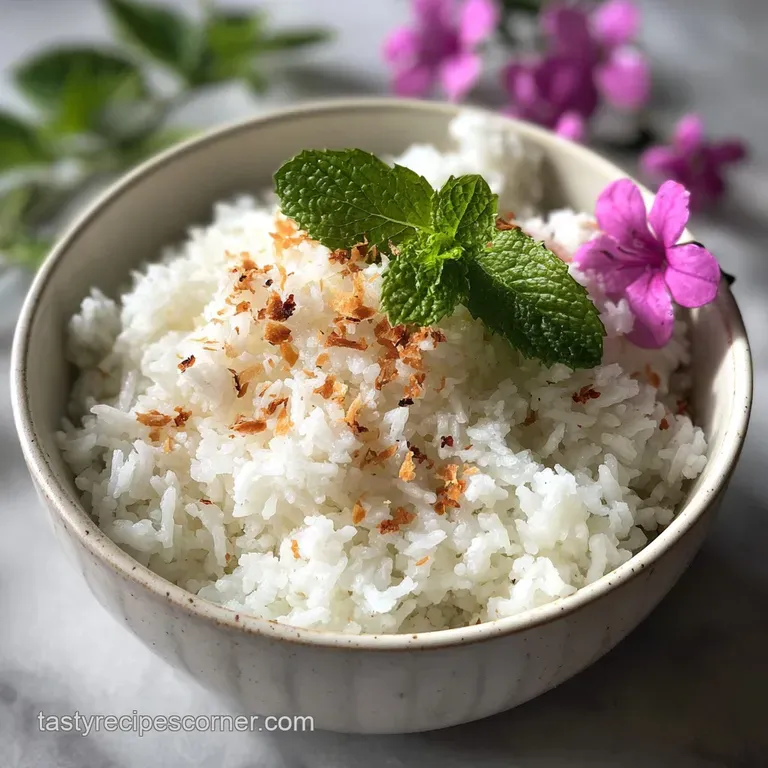
- Time: Active 5 minutes, Passive 15 minutes, Total 20 minutes
- Flavor/Texture Hook: Fluffy, velvety grains with a subtle nutty sweetness
- Perfect for: Soul warming family dinners or pairing with spicy curries
- Understanding the Balance of Richness and Simple Grains
- Breaking Down the Components of This Fragrant Side
- Gathering Your Soul Warming Pantry Essentials and Smart Swaps
- The Best Tools for a Fluffy Rice Finish
- Simple Steps for a Velvety and Fluffy Result
- Fixing Common Blunders for the Best Rice Possible
- Adjusting the Batch for Large Groups or Couples
- Debunking Common Myths About Cooking With Coconut Milk
- Safe Storage and Creative Ways to Use Leftovers
- Perfect Pairings to Bring Out the Tropical Aromas
- Coconut Rice Recipe FAQs
- 📝 Recipe Card
Understanding the Balance of Richness and Simple Grains
Getting this right isn't just about dumping ingredients into a pot; it's about the chemistry between the fat in the milk and the starch in the rice. If we don't manage those two, we end up with a sticky clump. But when done right, it's magic.
- The Lipid Shield: Fat molecules from the full fat coconut milk coat individual starch granules, which physically prevents them from sticking together into a gummy mass.
- Starch Gelatinization Control: By mixing coconut milk with a bit of water, we ensure there is enough thin liquid to penetrate the grain's core while the fats stay on the outside for that velvety mouthfeel.
- Osmotic Balance: The addition of sugar and sea salt doesn't just add flavor; it affects how the rice absorbs moisture, ensuring the center of the grain stays tender without becoming mushy.
| Cooking Method | Total Time | Texture Outcome | Best For |
|---|---|---|---|
| Classic Stovetop | 20 minutes | Fluffy & distinct grains | Precise control & aromatics |
| Rice Cooker | 25 minutes | Soft & very consistent | Set it and forget it ease |
| Instant Pot | 12 minutes | Denser & more "creamy" | Last minute dinner rushes |
Choosing your method depends on how much you want to hover over the stove. I personally love the stovetop because I like to hear the gentle simmer, but if I'm wrangling the kids, the rice cooker is a lifesaver. Speaking of busy nights, if you're looking for something even faster, you might enjoy my Rice A-Roni Chicken Casserole recipe which brings that same hearty comfort in a flash.
Breaking Down the Components of This Fragrant Side
To get that authentic, soul warming flavor, we have to look at what's actually going into the pot. You can't just use any old rice and expect that classic restaurant style finish.
| Ingredient | Science Role | Pro Secret |
|---|---|---|
| Jasmine Rice | Long grain structure | Rinse until the water is clear to remove excess surface starch. |
| Full Fat Coconut Milk | Emulsified fat source | Shake the can vigorously before opening to incorporate the "cream" cap. |
| Sea Salt | Flavor enhancer | Salt the water before boiling so the grain absorbs seasoning internally. |
| Pandan/Lemongrass | Aromatic infusion | Bruise the stalks with the back of a knife to release the essential oils. |
Using the right rice is non negotiable here. I always reach for a high-quality Jasmine rice because its natural floral scent plays so beautifully with the coconut. If you try to use a short grain rice, you'll end up with something closer to a pudding which is great for dessert, but not what we want next to our savory mains!
Gathering Your Soul Warming Pantry Essentials and Smart Swaps
Before you start, make sure your pantry is stocked with these specific items. I've found that substituting the fat content is where most people go wrong, so stick to the full fat stuff if you can!
- 1.5 cups (300g) Jasmine rice: The backbone of the dish.
- Substitute: Basmati rice. Why this? It's also a long grain rice that stays distinct and fluffy when cooked.
- 13.5 oz (400ml) full fat coconut milk: Provides the creamy, velvety texture.
- Substitute: 1 cup heavy cream + 0.5 cup water (but you'll lose the coconut flavor). Why this? Only use in a pinch if you just want the richness without the tropical notes.
- 0.5 cup (120ml) water: Thins the coconut milk just enough to hydrate the rice grains.
- Substitute: Chicken or vegetable broth. Why this? Adds a savory depth that makes it lean more toward a pilaf style.
- 1 tsp (6g) sea salt: Essential for bringing out the sweetness of the coconut.
- Substitute: Kosher salt (use 1.5 tsp). Why this? Different salts have different densities; always taste as you go.
- 1 tbsp (12g) granulated sugar: Just enough to highlight the coconut's natural sugars.
- Substitute: Honey or maple syrup. Why this? Adds a slightly different earthy sweetness but works well with the fats.
- 2 pandan leaves or 1 stalk lemongrass: The aromatic "extra mile."
- Substitute: A strip of lime zest. Why this? Provides that bright, citrusy high note that cuts through the heavy coconut fat.
Chef Tip: Freeze your lemongrass stalks! They are hard to find fresh sometimes, so when I see them, I buy a bunch, bruise them, and toss them in a freezer bag. They go straight from the freezer into the rice pot perfectly.
The Best Tools for a Fluffy Rice Finish
You don't need a professional kitchen, but a few specific tools will make your life a lot easier. A heavy bottomed pot is my number one recommendation because it distributes heat evenly, preventing those dreaded scorched spots at the bottom.
- Fine mesh strainer: Essential for rinsing the rice properly.
- 2 quart saucepan: Make sure it has a tight fitting lid to trap the steam.
- Silicone spatula or fork: For fluffing the rice without breaking the grains.
- Kitchen scale: For those of us who like the precision of grams (though cups work just fine here).
If you are serving this alongside something bold, like my Pad Thai in recipe, you'll find that the creamy coconut rice acts as the perfect flavor sponge for all those delicious sauces.
Simple Steps for a Velvety and Fluffy Result
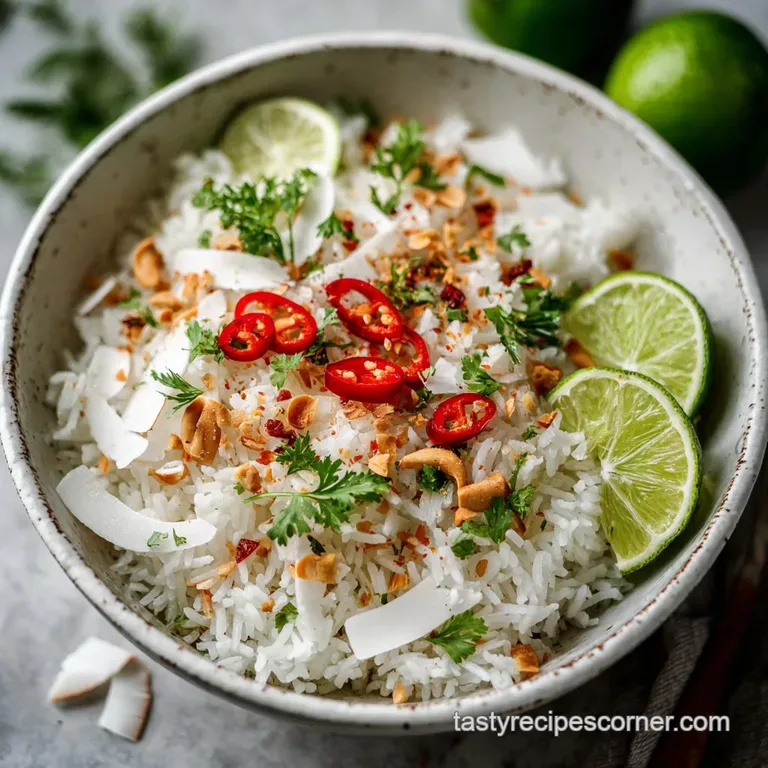
Let's get cooking. Remember, the key is in the "hands off" time. Once that lid goes on, resist the urge to peek!
- Rinse the rice. Place the 1.5 cups Jasmine rice in a strainer and run cold water over it until the water runs clear. Note: This removes surface starch that causes gumminess.
- Combine ingredients. Add the rinsed rice, 13.5 oz coconut milk, 0.5 cup water, 1 tsp sea salt, and 1 tbsp sugar to your pot.
- Add aromatics. Tuck in your bruised lemongrass or knotted pandan leaves.
- Initial boil. Set the heat to medium high and bring the mixture to a gentle boil, stirring once to ensure nothing sticks.
- Simmer low. Turn the heat down to the lowest possible setting and cover with a tight lid.
- Cook 15 minutes. Let it simmer undisturbed until the liquid is fully absorbed and small steam vents appear.
- Rest and steam. Remove the pot from the heat but keep the lid on for 5 more minutes. Note: This allows the moisture to redistribute for an even texture.
- Fluff and serve. Remove the aromatics and use a fork to gently fluff the grains until they look light and airy.
Fixing Common Blunders for the Best Rice Possible
Even the best of us have ended up with a pot of "coconut glue" at some point. It usually comes down to heat control or the ratio of liquid to grain.
Why Your Rice Is Scorched on the Bottom
This usually happens if your heat is too high or your pot is too thin. The sugar in the coconut milk can caramelize and burn quickly. If you smell even a hint of toastiness before the timer is up, pull it off the heat immediately.
| Problem | Root Cause | Solution |
|---|---|---|
| Gummy Texture | Too much surface starch | Rinse the rice longer next time; ensure you use a 1:1.25 liquid ratio. |
| Crunchy Center | Not enough steam trapped | Ensure the lid is tight. If it's still hard, add 2 tbsp hot water and steam for 5 more minutes. |
| Bland Flavor | Under salting | Always salt the liquid at the start. You can fold in a pinch of salt at the end if needed. |
Common Mistakes Checklist
- ✓ Never skip the rinse - that 30 seconds under the tap is the difference between fluffy and sticky.
- ✓ Shake the coconut milk can - the fat often separates, and you need that emulsion for even cooking.
- ✓ Use a heavy lid - if your lid is light, put a clean kitchen towel between the pot and the lid to seal the steam.
- ✓ Let it rest - that 5 minute "off heat" wait is where the magic happens for the texture.
- ✓ Don't stir during the simmer - stirring releases starch and makes the rice mushy.
Adjusting the Batch for Large Groups or Couples
This recipe scales beautifully, but you have to be careful with the liquid ratios as you go up.
- To Scale Down (1-2 people): Cut the ingredients in half. Use a smaller saucepan (1 quart) so the liquid doesn't evaporate too quickly. Reduce the cook time by about 2-3 minutes.
- To Scale Up (8-10 people): Double all ingredients, but only increase the salt and sugar to 1.5x the original amount. Use a large Dutch oven to ensure even heat distribution. You may need to add 2-3 extra minutes to the simmer time because of the sheer volume of rice.
- The "If You Want X, Do Y" Shortcut:
- If you want a Sweeter Rice: Increase sugar to 2 tbsp and add a drop of vanilla extract.
- If you want a Savory Pilaf: Swap the water for chicken broth and add a sautéed shallot before adding the rice.
- If you want Toasted Notes: Toast the dry rice in the pot for 2 minutes before adding the liquids.
Debunking Common Myths About Cooking With Coconut Milk
One big myth is that "low-fat coconut milk is just as good." It absolutely isn't for this recipe. low-fat versions are basically just watered down coconut milk with thickeners like guar gum. They won't give you that velvety mouthfeel or the distinct grain separation that the full fat stuff provides.
Another misconception is that you need to soak the rice beforehand. While some recipes call for it, Jasmine rice is delicate. Soaking it for too long can actually cause the grains to break during the simmer, leading to a mushy texture. A thorough rinse is all you need to get that restaurant quality finish.
Safe Storage and Creative Ways to Use Leftovers
I rarely have leftovers because my family practically licks the pot clean, but if you do, it stores quite well. Just remember that rice dries out quickly in the fridge, so you'll need to baby it a bit when reheating.
- Storage: Keep in an airtight container in the fridge for up to 3 days. I don't recommend freezing this specific rice recipe as the coconut fats can sometimes take on a grainy texture once thawed and reheated.
- Zero Waste: If you have leftover rice that’s gone a bit stiff, use it for "Tropical Fried Rice." Sauté it with some pineapple chunks, shrimp, and a splash of soy sauce. The coconut fats already in the rice make for an incredible base for frying! You can also use the leftover coconut milk (if you opened a second can) to make a quick Rice Porridge recipe the next morning.
Perfect Pairings to Bring Out the Tropical Aromas
This rice is a chameleon. While it's a staple in Thai and Caribbean cooking, it feels right at home on a Southern dinner table too. We love serving it with grilled salmon or even a hearty beef stew where the coconut can cut through the richness of the meat.
| Quick Finish | Time | Texture | Best For |
|---|---|---|---|
| Classic Fluff | 20 mins | Light & Airy | Standard side dish |
| Sticky Style | 25 mins | Clumpier & Sweet | Dessert leaning or mango pairing |
| Toasted Edge | 22 mins | Nutty & Firm | Pairing with heavy stews |
Whatever you pair it with, just make sure there's plenty to go around. There’s something so comforting about a big, steaming bowl of this rice it’s like a hug for your stomach.
Trust me, once you see how easy it is to make this coconut rice recipe from scratch, you'll never go back to the plain white stuff again!
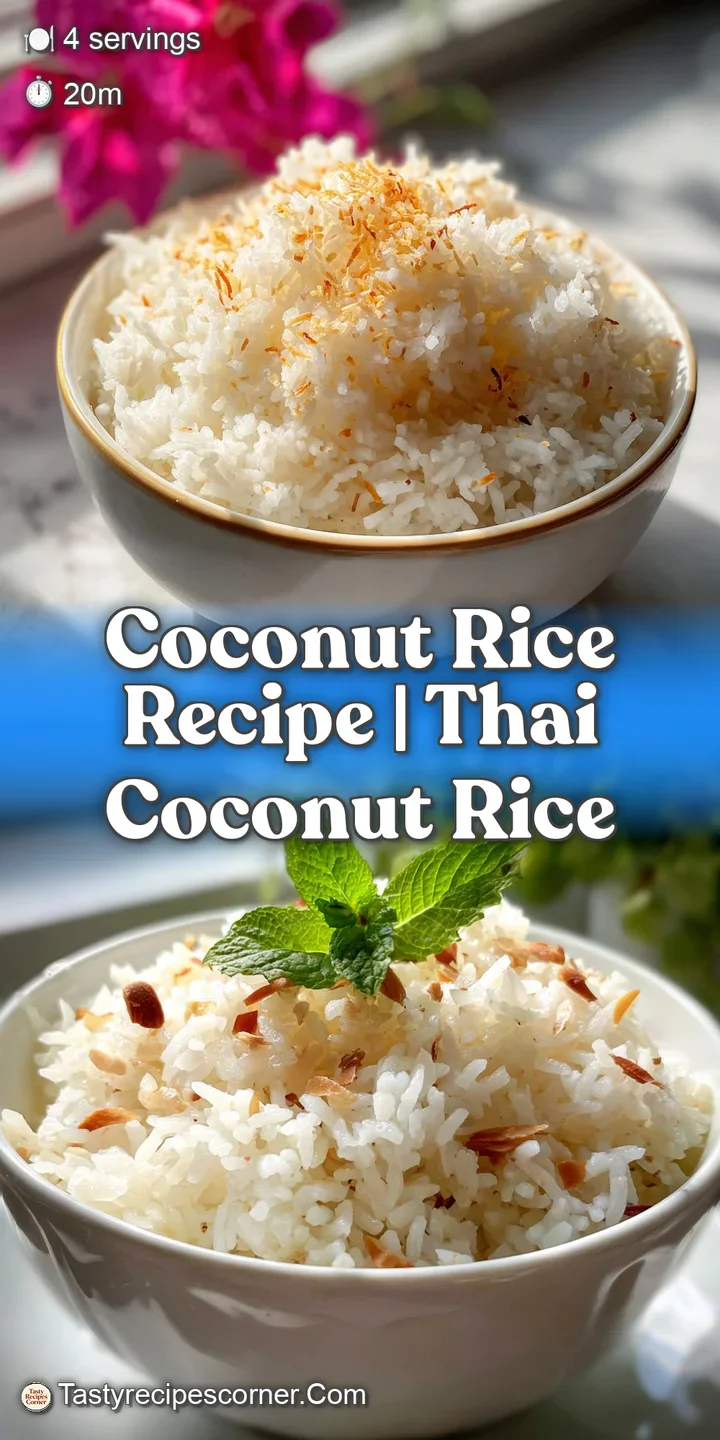
Coconut Rice Recipe FAQs
How do you make coconut rice?
Rinse the jasmine rice until the water runs clear, then combine it in a saucepan with full fat coconut milk, water, salt, and sugar. Bring to a boil, then reduce to a simmer, cover, and cook for 15 minutes until liquid is absorbed. Let it rest, covered, for 5 minutes before fluffing.
What are common mistakes when making coconut rice?
Not rinsing the rice thoroughly is a top mistake, leading to a gummy texture. Other common errors include using low-fat coconut milk, not shaking the can well, and stirring during the simmer, which releases excess starch.
What is the two ingredient coconut rice recipe?
There isn't a true two-ingredient coconut rice recipe that yields authentic results. While some might suggest rice and coconut milk, you'll need water, salt, and ideally aromatics for proper texture and flavor. The core method still involves cooking the rice in the coconut milk mixture.
Is coconut rice healthier than regular rice?
Not necessarily. Coconut rice is richer due to the fat content from the coconut milk, which adds calories and fat. However, it also contains nutrients from the coconut milk, such as healthy fats and some minerals, which plain white rice lacks.
Can I use basmati rice instead of jasmine rice for coconut rice?
Yes, basmati rice is a good substitute. Like jasmine rice, basmati is a long grain variety that stays distinct and fluffy when cooked, making it suitable for coconut rice. If you enjoyed mastering the texture control in this recipe, apply the same principles to our Rice Bowl: Ultimate Gochujang Glazed Chicken Recipe for perfectly cooked rice alongside a flavorful main.
What is the secret to fluffy coconut rice?
Thorough rinsing and proper resting are key. Rinsing removes excess starch, preventing gumminess, and letting the rice rest, covered, off the heat for 5-10 minutes allows the moisture to redistribute evenly for fluffy, distinct grains.
How do I prevent coconut rice from being mushy?
Ensure you rinse the rice thoroughly to remove surface starch, and use the correct liquid-to-rice ratio, typically around 1.25 cups of liquid for every 1 cup of rice. Also, avoid stirring the rice while it simmers, as this releases more starch and can lead to a mushy texture.
Coconut Rice Recipe
Ingredients:
Instructions:
Nutrition Facts:
| Calories | 479 kcal |
|---|---|
| Protein | 7.6 g |
| Fat | 21.4 g |
| Carbs | 66.0 g |
| Fiber | 1.2 g |
| Sugar | 4.1 g |
| Sodium | 585 mg |
