Traditional Christmas Cranberry Bread: Moist & Zesty
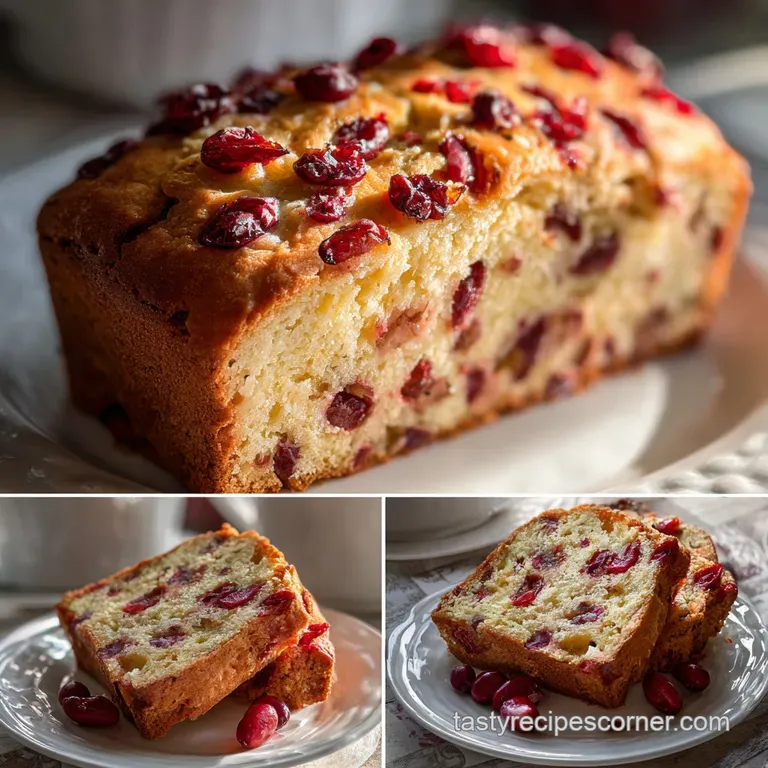
- Time: Active 20 minutes, Passive 60 minutes, Total 1 hour 20 mins
- Flavor/Texture Hook: Zesty, velvet soft crumb with a tart berry pop
- Perfect for: Holiday breakfast, gifting, or a cozy winter tea time
- Perfecting Your Traditional Christmas Cranberry Bread
- Why This Festive Loaf Wins
- Timing Your Holiday Baking Session
- Choosing Your Vibrant Holiday Ingredients
- Essential Tools for Baking Success
- Step by Step Loaf Instructions
- Fixing Common Fruit Bread Issues
- Ways to Personalize Your Loaf
- Storing Your Festive Holiday Bread
- Elegant Serving and Plating Ideas
- Recipe FAQs
- 📝 Recipe Card
Perfecting Your Traditional Christmas Cranberry Bread
The first time I pulled a loaf of this bread out of the oven, the kitchen didn't just smell like baking; it smelled like every good holiday memory I've ever had. There is something about the way fresh orange zest hits the heat that creates this bright, floral cloud that fills every corner of the house.
I remember standing there, still in my flour dusted apron, listening to the soft "thwack" of the knife as I cut into it while it was still a bit too warm. The steam carried the scent of ground ginger and vanilla right to me, and I knew I could never go back to store-bought versions.
Honestly, I used to struggle with quick breads being either too dry or so heavy they felt like bricks. I've spent plenty of Decembers scraping burnt walnuts off the top of sunken loaves. But through trial and error, I found the secret lies in the balance of acidity.
This Traditional Christmas Cranberry Bread relies on the interplay between the orange juice and the sour cream to keep things light. It is a recipe I now make every year, usually while sipping coffee and listening to jazz, just to feel that specific holiday peace.
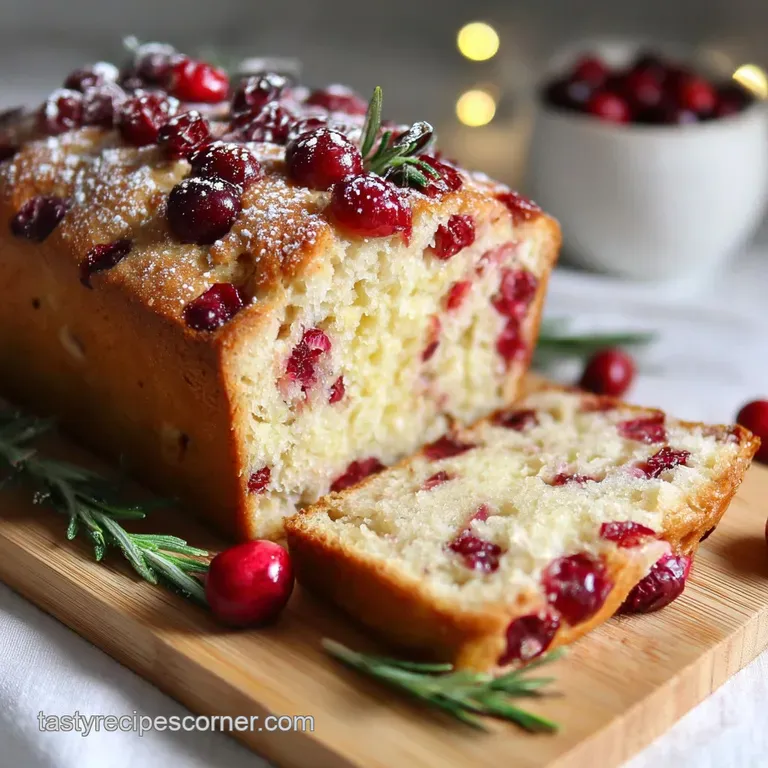
We are aiming for a specific kind of magic here: a loaf that is sturdy enough to slice but soft enough to melt on your tongue. We will use fresh cranberries for that authentic "snap" when you bite into them, and coconut sugar to give it a subtle, toasted caramel undertone.
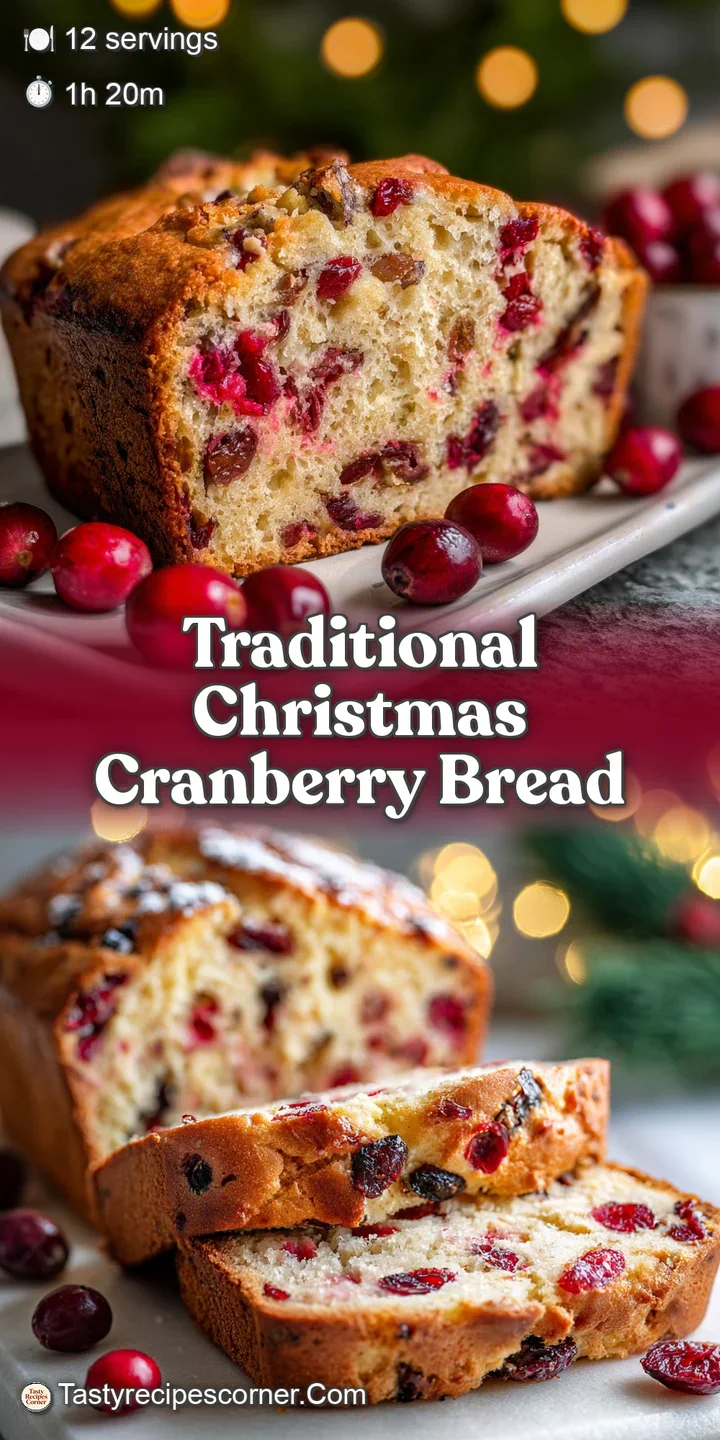
You are going to love how the ruby red berries look against the golden crumb - it is basically a Christmas decoration you can eat.
Why This Festive Loaf Wins
- Acidity Activation: The orange juice and sour cream react with the baking soda to create immediate carbon dioxide bubbles, ensuring a light lift.
- Fat Satiation: Coconut oil provides a higher fat percentage than butter, coating flour proteins to prevent excess gluten formation for a velvety texture.
- Moisture Retention: Sour cream acts as a humectant, trapping water molecules in the crumb so the bread stays moist for days instead of drying out.
- Flavor Layering: Ground ginger acts as a bridge between the tart berries and the sweet vanilla, adding a barely there warmth that feels festive.
| Plating Level | Texture Element | Presentation Hack |
|---|---|---|
| Simple | Rustic thick slice | Serve warm with a swipe of salted butter |
| Polished | Dusted sugar veil | Sift powdered sugar over the top and add fresh zest |
| Restaurant | Seared and creamy | Griddle a slice in butter, top with orange scented whipped cream |
The difference between a "good" loaf and a "wow" loaf usually comes down to the quality of your fruit and how you handle the batter. If you are looking for more holiday inspiration, you might enjoy my Honey Glazed Cranberry Brie Bites recipe as a starter for your festive dinner.
Timing Your Holiday Baking Session
| Method | Total Time | Resulting Texture | Best For |
|---|---|---|---|
| Classic Loaf | 1 hour 20 mins | Even, tender crumb | Traditional gifting and slicing |
| Mini Loaves | 55 minutes | Crispy edges | Individual holiday treats |
| Muffin Style | 45 minutes | Quick and airy | On the-go holiday breakfast |
The Magic of Acidic Tenderizing
The orange juice and sour cream in this recipe do more than just add flavor. They lower the pH of the batter, which weakens the gluten bonds in the 250g of all purpose flour, resulting in a crumb that is incredibly soft rather than chewy.
Choosing Your Vibrant Holiday Ingredients
| Ingredient | Science Role | Pro Secret |
|---|---|---|
| Fresh Cranberries | Acidic Pop | Halve them to prevent large pockets of steam in the loaf |
| low-fat Sour Cream | Protein Binder | Use room temperature cream to ensure a smooth, emulsified batter |
| Coconut Sugar | Hygroscopic Sweetener | It draws in moisture from the air, keeping the bread from staling |
- 250g All purpose flour: The structure of our loaf.
- Substitute: 1:1 gluten-free baking blend (adds a bit more density). Why this? Provides enough protein to support the heavy fruit.
- 100g Coconut sugar: For a deep, caramel like sweetness.
- Substitute: Light brown sugar. Why this? It keeps the bread moist compared to granulated white sugar.
- 1.5 tsp Baking powder & 0.5 tsp Baking soda: Our leavening duo.
- 0.5 tsp Sea salt: To balance the sweetness.
- 0.5 tsp Ground ginger: A touch of holiday warmth.
- 120ml low-fat sour cream: For a rich, tangy crumb.
- Substitute: Plain Greek yogurt. Why this? Adds essential fat and moisture.
- 60ml Melted coconut oil: For a silky mouthfeel.
- Substitute: Avocado oil or melted butter.
- 1 Large egg: To bind everything together.
- 120ml Fresh orange juice: Provides liquid and acidity.
- 1 tbsp Fresh orange zest: Where all the citrus aroma lives.
- 1 tsp Pure vanilla extract: To round out the flavors.
- 225g Fresh cranberries: The star of the show.
- Substitute: Frozen cranberries (do not thaw before using). Why this? Fresh berries provide the best tart contrast.
- 60g Chopped walnuts: For a necessary crunch.
- Substitute: Pecans or pumpkin seeds.
Essential Tools for Baking Success
You don't need a high tech kitchen for this, but a few specific items make the process much smoother. I highly recommend using a standard 9x5-inch loaf pan, preferably a light colored metal one. Dark pans tend to brown the edges too quickly before the middle is set, which can lead to a dry crust.
A microplane zester is also a game changer here. You want those tiny, delicate shreds of orange zest to distribute evenly through the batter. If you use a traditional grater, the pieces might be too large and bitter. Finally, a sturdy silicone spatula is essential for the "fold and stop" technique.
You need something that can scrape the bottom of the bowl effectively without overworking the delicate batter.
Chef's Tip: Freeze your cranberries for 20 minutes before halving them. It makes them much easier to slice without them rolling all over your cutting board!
step-by-step Loaf Instructions
- Preheat and Prep. Set your oven to 350°F and grease your loaf pan thoroughly with coconut oil. Note: This ensures the bread releases without sticking.
- Whisk the Dry. Combine the 250g flour, coconut sugar, baking powder, baking soda, salt, and ginger in a large bowl.
- Zest the Orange. Rub the 1 tbsp zest into the dry ingredients with your fingertips until the flour smells fragrant and citrusy.
- Mix the Wet. In a separate jug, whisk the egg, sour cream, melted coconut oil, orange juice, and vanilla.
- Combine Gently. Pour the wet mixture into the dry until just barely combined with a few streaks of flour remaining. Note: Overmixing creates a tough, rubbery bread.
- Prep the Jewels. Toss your 225g halved cranberries and 60g walnuts with a teaspoon of flour before folding them in.
- The Final Fold. Gently fold the fruit into the batter until evenly distributed but still thick.
- Transfer and Smooth. Pour the batter into the prepared pan, smoothing the top with your spatula.
- Bake to Perfection. Bake for 60 minutes until the top is golden and a skewer comes out clean.
- Cool and Rest. Let the loaf sit in the pan for 10 minutes before moving to a wire rack.
Fixing Common Fruit Bread Issues
Why Your Bread Sinks in the Middle
This usually happens if you open the oven door too early, causing a sudden temperature drop. The structure of a quick bread is fragile in the first 40 minutes. If the center hasn't set, the air bubbles will collapse. Another culprit is expired baking powder - always check that yours is fresh!
Why the Cranberries Sunk to the Bottom
If you find all your fruit huddling at the base of the loaf, your batter was likely too thin or the berries were too wet. Tossing the berries in a little bit of flour creates a rough surface that helps them "grip" the batter as it rises in the oven.
| Problem | Root Cause | Solution |
|---|---|---|
| Dry, crumbly texture | Too much flour or overbaking | Measure flour by weight and check doneness 5 mins early |
| Soggy bottom | Leaving bread in the pan too long | Remove to a wire rack after 10 minutes of cooling |
| Dense, heavy loaf | Overmixing the batter | Use a spatula to fold, never an electric mixer |
Common Mistakes Checklist:
- ✓ Room temperature egg and sour cream (prevents the coconut oil from seizing)
- ✓ Halving the cranberries (prevents large "wet" spots in the crumb)
- ✓ Measuring the flour by weight (250g) rather than volume
- ✓ Preheating the oven fully before the batter is mixed
- ✓ Using fresh orange juice rather than bottled for better acidity
Ways to Personalize Your Loaf
If you want a different vibe, you can easily swap the walnuts for pecans or even white chocolate chips if you have a sweet tooth. I've also tried adding a half teaspoon of cinnamon along with the ginger, which gives it a more "apple pie" warmth that is lovely for late December. For those who enjoy a deeper, heartier loaf, you might find inspiration in my Pumpernickel Bread recipe, which explores different flour textures.
The Texture Shortcut Table
| If you want... | Then do this... |
|---|---|
| A crunchier top | Sprinkle 1 tbsp of turbinado sugar over the batter before baking |
| A more citrusy punch | Add an extra half tablespoon of zest to the dry ingredients |
| A richer flavor | Brown the coconut oil in a pan before cooling and adding to the wet mix |
If you are looking for a completely different texture for your holiday table, perhaps a side of Sweet Cornbread recipe would provide that savory sweet balance you're looking for.
Storing Your Festive Holiday Bread
To keep your Traditional Christmas Cranberry Bread at its best, wrap it tightly in plastic wrap once it is completely cool. It will stay moist on the counter for about 3 to 4 days.
If you want it to last longer, you can keep it in the fridge for up to a week, though I recommend toasted a slice before eating to bring back that "just baked" softness.
For long term storage, this bread freezes beautifully. I often bake two loaves at once, wrap one in a double layer of foil, and pop it in the freezer for up to 3 months. When you are ready to use it, just let it thaw overnight on the counter. Don't throw away the ends or any crumbs!
You can toast the leftovers and crumble them over vanilla yogurt or even use them to make a festive bread pudding.
Elegant Serving and Plating Ideas
When I'm serving this to guests, I like to go beyond just a plain slice. For a "Polished" look, I create a simple glaze using leftover orange juice and powdered sugar, drizzling it over the loaf so it runs down the sides in thick, opaque ribbons. If you're hosting a full holiday brunch, this bread looks stunning on a wooden board next to a batch of Christmas Cookies recipe for a variety of textures.
One myth I hear a lot is that you should always use dried cranberries for baking to avoid sogginess. In reality, the fresh berries "shatter" in the oven, releasing their juice into the surrounding crumb and creating those beautiful tart pockets that define a true Christmas loaf.
Another myth is that you must use butter for flavor. While butter is great, coconut oil actually provides a much more tender, long lasting moisture that butter can't match in a quick bread format. Trust me, the texture difference is worth the swap.
Recipe FAQs
Can I use dried cranberries instead of fresh for this bread?
No, fresh are best for this recipe. While dried cranberries can be used, they won't provide the same juicy burst and tart contrast that fresh berries do when they shatter in the oven.
Why did my cranberry bread sink in the middle?
It likely sank due to an oven temperature fluctuation or underbaking. Opening the oven door too early before the structure sets or using expired leavening agents can cause the delicate crumb to collapse.
How do I prevent the cranberries and nuts from sinking to the bottom?
Toss the cranberries and nuts in a tablespoon of the dry flour mixture before folding them in. This coating helps them adhere to the batter and prevents them from becoming too heavy and sinking during baking.
What is the best way to store leftover cranberry bread?
Wrap it tightly in plastic wrap once completely cool and store at room temperature for up to 3-4 days. For longer storage, refrigerate for up to a week or freeze for up to 3 months.
Can I substitute the coconut oil for butter?
Yes, you can substitute melted butter for coconut oil. While coconut oil contributes a unique moistness, butter will still yield a delicious and tender loaf, offering a slightly different flavor profile.
What makes this cranberry bread so moist?
The combination of low-fat sour cream and coconut oil is key to its moisture. Sour cream acts as a humectant, trapping moisture, while coconut oil contributes to a velvety texture that stays fresh longer.
Is it true that I must use a double boiler for melting ingredients?
No, this is a common misconception. For quick breads, ensuring ingredients like eggs and sour cream are at room temperature is more critical than precise melting techniques. This allows for better emulsification and a smoother batter.
Christmas Cranberry Bread
Ingredients:
Instructions:
Nutrition Facts:
| Calories | 218 kcal |
|---|---|
| Protein | 3.8 g |
| Fat | 9.4 g |
| Carbs | 28.1 g |
| Fiber | 1.8 g |
| Sugar | 12.6 g |
| Sodium | 145 mg |
