Easy Recipes with Chicken and Potato: One-Pan Meal
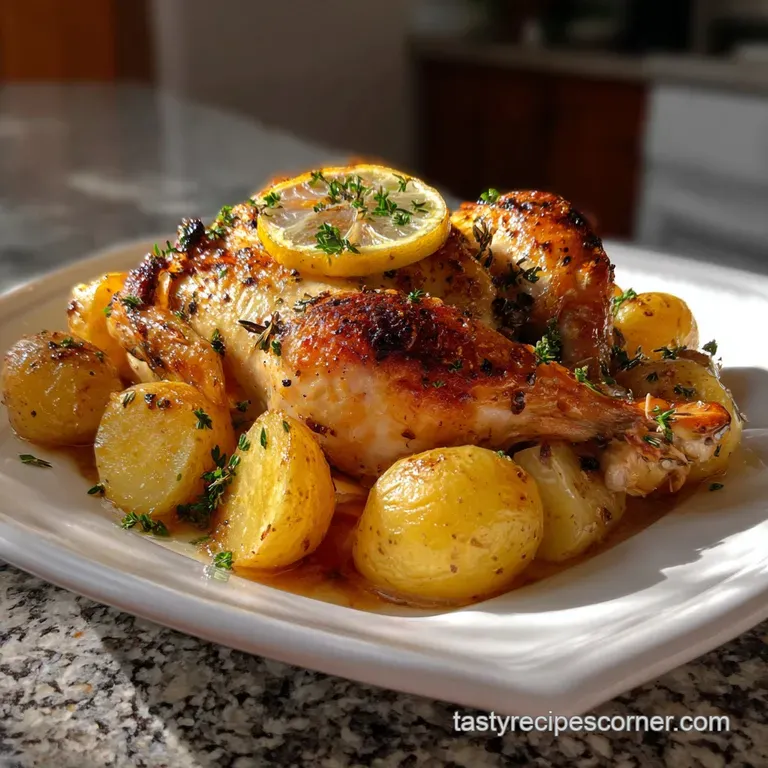
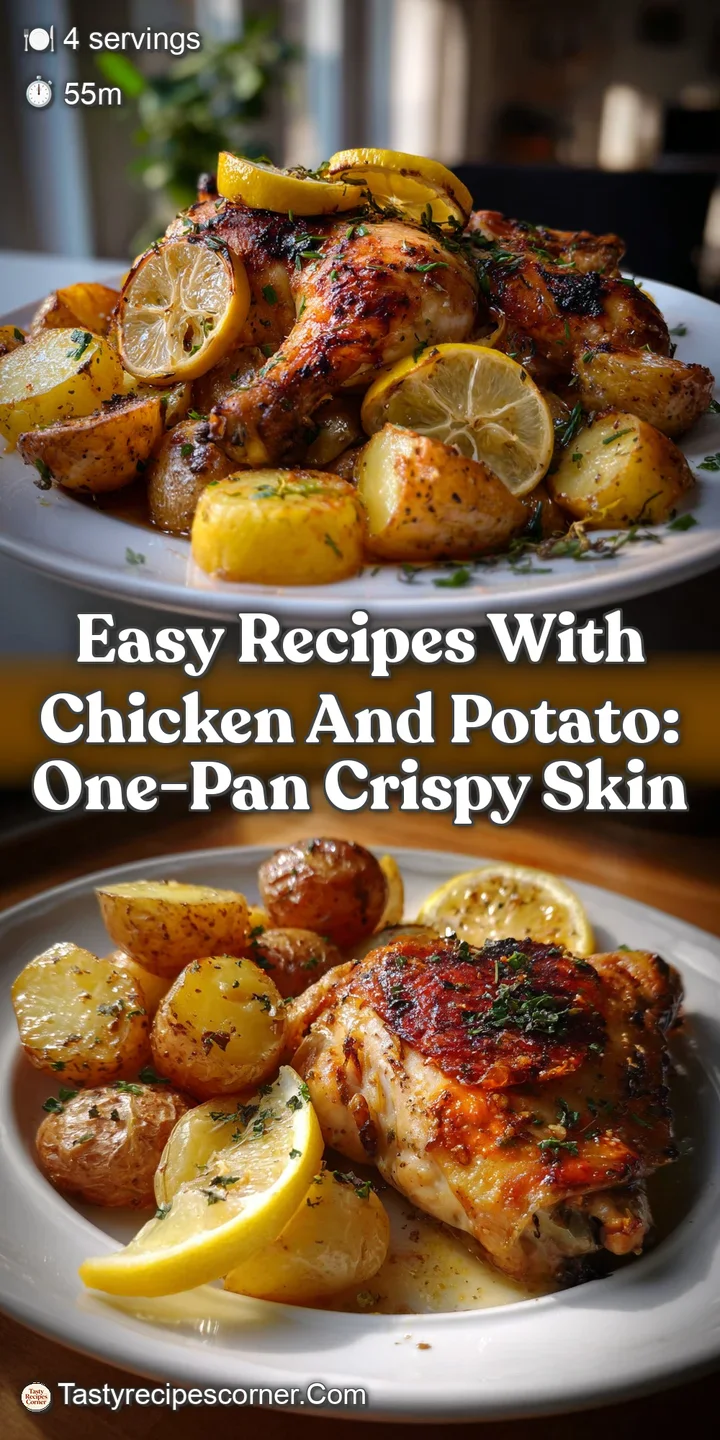
- Effort/Time: 15 minutes prep; 55 minutes total.
- Flavor Hook: Smoked paprika and lemon zest create a bright, wood-fired profile.
- Perfect for: Low-maintenance weeknight dinners or high-protein meal prep.
The Secret to Crispy One-Pan Chicken and Potatoes
The sound of rendering fat hitting a hot Lodge Cast Iron Skillet is the ultimate kitchen siren song. We've all been there: you throw together recipes with chicken and potato, hoping for a golden bake, but end up with grey, steamed poultry and potatoes that are mushy on the outside and raw in the middle.
I spent months pulling half cooked trays out of the oven before realizing the problem wasn't the heat; it was the moisture management.
By using bone-in, skin-on thighs, we turn the chicken into its own self basting mechanism. As the oven climbs to temperature, the subcutaneous fat melts, frying the Yukon Gold potatoes sitting directly beneath.
This isn't just roasting; it’s a technical interplay between fat-rendering and starch caramelization. These recipes with chicken and potato work because we treat the pan like a heat sink, ensuring every surface area is optimized for the Maillard reaction.
Trust me, once you hear that first sizzle and smell the rosemary infused steam, you’ll never go back to boiling your sides separately. We are aiming for a specific texture profile: chicken that yields with a fork and potatoes that have a "shatter" crust.
This masterclass approach to recipes with chicken and potato focuses on thermal consistency and fat distribution to ensure your Tuesday night dinner tastes like a Sunday roast.
Why This Works (Scientific Power Bullets)
- Lipid Enhanced Heat Transfer: Rendering chicken fat (schmaltz) has a higher thermal conductivity than air, essentially deep frying the potato bottoms while they roast.
- Starch Retrogradation Control: Using Yukon Gold potatoes ensures the interior remains velvety due to their medium starch content, preventing the "mealy" texture found in Russets.
- Acid Driven Tenderness: 3 tbsp fresh lemon juice acts as a surfactant, breaking down tough collagen fibers in the chicken while balancing the heavy lipids.
- Convection Synergy: Cutting potatoes into uniform 1 inch cubes increases surface area-to-volume ratio, maximizing the area available for browning.
The Science Behind 1.5 lbs Bone-in, Skin-on Chicken Thighs
- What They Do
- Provide the primary protein base and the essential cooking fat for the vegetables.
- The Chemistry
- Through protein denaturation, heat uncoils tight protein strands while the Maillard reaction creates hundreds of new flavor compounds on the skin.
- Why This Matters
- Bone-in cuts have higher thermal mass, preventing the meat from overcooking before the potatoes reach peak gelatinization.
The Science Behind 1.5 lbs Yukon Gold Potatoes
- What They Do
- Act as the primary starch component, absorbing seasoned fats and lemon juice.
- The Chemistry
- During roasting, pectin breakdown softens the cell walls while starch granules swell and burst (gelatinization).
- Why This Matters
- Yukon Golds possess an ideal amylose-to-amylopectin ratio, resulting in a creamy interior that doesn't fall apart.
The Science Behind 4 Cloves Garlic (minced)
- What They Do
- Provide the aromatic backbone and sulfurous depth to the recipes with chicken and potato.
- The Chemistry
- Mincing triggers the enzyme alliinase to convert alliin into allicin, the compound responsible for the pungent garlic "bite."
- Why This Matters
- over High heat roasting mellows this allicin into sweet, nutty diallyl trisulfide, which permeates the chicken skin.
Essential Ingredients & Smart Substitutions
When executing recipes with chicken and potato, the quality of your oil and salt determines the final crust. I always reach for Diamond Crystal Kosher Salt because its hollow flakes dissolve instantly into the meat.
For the oil, a high-quality Pompeian Extra Virgin Olive Oil provides the necessary fruity notes that cut through the richness of the chicken.
| Original Ingredient | Substitute | Why It Works |
|---|---|---|
| 1.5 lbs Bone-in Thighs | Drumsticks | Similar fat content and cook time; slightly more connective tissue. |
| Yukon Gold Potatoes | Red Bliss Potatoes | Both are "waxy" enough to hold shape, though Red Bliss has a thinner skin. |
| Smoked Paprika | Chipotle Powder | Adds similar smokiness but increases the capsaicin heat significantly. |
| Fresh Rosemary | Dried Thyme | Provides a woody, earthy aroma; use 1/3 the amount of fresh. |
If you’re looking for a side that offers a bitter contrast to this savory dish, my Broccoli Rabe: How to Blanch and Sauté Rapini to Perfection is the tactical choice. The sharp bite of the rapini cuts right through the schmaltz laden potatoes.
Masterclass Instructions for Recipes with Chicken and Potato
Preheat your oven to 425°F (220°C). Note: High initial heat is required to trigger immediate moisture evaporation from the chicken skin, preventing a rubbery texture.
Whisk the 1/4 cup extra virgin olive oil, 3 tbsp fresh lemon juice, 4 cloves minced garlic, and all dried spices in a small bowl.
Note: Creating an emulsion ensures the fat-soluble compounds in the 1 tsp dried oregano and 1/2 tsp smoked paprika are evenly distributed.
Toss the 1.5 lbs cubed potatoes and 1 cup baby carrots directly in a large roasting pan with half the marinade. Note: Coating the vegetables first prevents them from sticking to the pan via a protective lipid barrier.
Nestle the 1.5 lbs chicken thighs between the vegetables, skin side up. Note: Direct contact with the pan bottom is avoided to allow air circulation around the chicken, ensuring the skin crisps rather than steams.
Drizzle the remaining marinade over the chicken, focusing on the skin. Note: The salt in the marinade draws out surface moisture via osmosis, which is essential for a "shatter" crisp skin.
Roast for 40 minutes, or until the chicken reaches an internal temperature of 165°F. Note: Using a ThermoPro Digital Meat Thermometer ensures you hit the exact pull temperature before the breast meat (if using) dries out.
Rest the pan for 5 minutes before serving. Note: This allows for carryover cooking and lets the juices redistribute within the muscle fibers, preventing a dry mouthfeel.
Chef's Note: If the potatoes aren't as brown as you'd like when the chicken hits 165°F, remove the chicken to a plate and kick the oven to "Broil" for 3 minutes. The extra heat will flash caramelize the potato starches.
Troubleshooting Your Recipes with Chicken and Potato
| Problem | Root Cause | The Fix | Pro Protocol |
|---|---|---|---|
| Soggy Potatoes | Pan Overcrowding | Use a larger pan to allow steam to escape. | Leave 1/2 inch space between all ingredients for airflow. |
| Burnt Garlic | Minced too fine | Add garlic halfway through or use larger chunks. | Use a Microplane for the marinade to liquefy the garlic. |
| Tough Chicken | Under resting | Cutting too soon lets juice escape. | Tent with foil and wait 5 10 mins for fiber relaxation. |
Common Myths
Myth: You must peel potatoes for the best recipes with chicken and potato. Truth: Keeping the skins on Yukon Golds adds structural integrity and contains 50% of the potato's fiber and significant mineral content.
Myth: Searing the chicken first is mandatory. Truth: While searing adds flavor, a 425°F oven provides enough radiant heat to achieve a Maillard reaction on the skin during the 40 minute cook time without the extra dishes.
Storage, Freezing, and Reheating
Storage: These recipes with chicken and potato keep beautifully in the fridge for up to 4 days. Store in a glass airtight container to prevent the chicken from absorbing "fridge odors."
Freezing: You can freeze the cooked chicken for up to 3 months. However, potatoes undergo retrogradation (starch crystallization) when frozen, which can make them slightly grainy upon thawing. If you must freeze, ensure they are submerged in a bit of gravy or sauce.
Reheating: Avoid the microwave. It turns the chicken skin into rubber and makes the potatoes gummy. Instead, use a toaster oven or air fryer at 350°F for 8 minutes. This restores the "sizzle" and recrisps the exterior.
Variations on Recipes with Chicken and Potato
If you want a "set it and forget it" version, this chicken and potato crock pot recipe variation works well. Use the same ingredients but reduce the olive oil to 2 tablespoons and the lemon juice to 2 tablespoons. Cook on low for 6 hours.
Note that the skin will not be crispy in a slow cooker, so I recommend a quick 5 minute broil afterward.
For those who love a "one-pot" comfort vibe, this can easily transition into a chicken and potato casserole. Simply slice the potatoes thinner (1/8 inch) and layer them like a gratin beneath the chicken. This creates a denser, creamier texture that mimics the interior of a Shepherds Pie: The Proper British Classic with Rich Lamb and Cheesy Mash.
Another popular twist involves adding more aromatics. Many recipes with chicken and potato benefit from the addition of sliced red onions. These chicken potatoes and onions variations offer a jammy, caramelized sweetness that complements the smoked paprika.
If you’re looking for a higher fat, more decadent version, chicken potatoes and bacon is the way to go; the bacon fat adds an incredible smoky depth that standard olive oil can't match.
Whether you're making chicken potatoes and carrots as written or experimenting with a chicken and potato crock pot recipe, the key remains the same: high-quality ingredients and a respect for the chemistry of heat.
These recipes with chicken and potato are the backbone of a solid home cooking repertoire because they are reliable, nutrient dense, and incredibly satisfying. Next time you're at the store, grab those Yukon Golds and some bone-in thighs your future self will thank you for the best with chicken and potato meal you've had all year.
Recipe FAQs
Can I use bone-in, skin-on thighs instead of breasts?
Yes, bone-in thighs require longer cooking time. The higher intramuscular fat content renders slowly, ensuring the meat stays moist even when the potatoes reach crispness. This slower process is similar to preparing roasts, like in the Top Round Roast Recipe: Easy, Tender, and Flavorful.
Does the lemon zest need to be removed before roasting?
No, leave the zest on the chicken skin. The high heat of the oven rapidly volatilizes the essential oils in the zest, infusing the rendered chicken fat. Removing it reduces the aromatic depth of the final pan sauce.
How do I prevent the potatoes from steaming instead of roasting?
Crowding the pan starves the potatoes of radiant heat. Overcrowding traps moisture released during cooking, creating steam pockets that prevent the Maillard reaction necessary for browning.
- Ensure potatoes are single layer
- Use a pan sized for a 2 lb chicken
- Maintain oven temperature at 425°F minimum
Should I parboil the potatoes before adding them to the pan?
No, parboiling defeats the one-pan technique. Parboiling gelatinizes the exterior starch, leading to mushy texture when subsequently roasted in the rendered fat. Rely on the rendered chicken fat to conduct heat evenly, which is far superior for achieving a crisp exterior.
Is it better to sear the chicken first or add it raw?
Add it raw for maximum fat rendering onto potatoes. Pre-searing sets the exterior too early, limiting the fat release needed to cook the potatoes properly. Searing is unnecessary when the oven temperature is high enough for good skin crisping, unlike in quick skillet methods like Sirloin Steak: Pan-Seared with Garlic Herb Butter Baste.
Myth: A wet chicken skin guarantees a crispy result.
Myth: A wet chicken skin guarantees a crispy result. Reality: Moisture creates steam, inhibiting the crisping process before the fat melts. Patting the skin aggressively dry before seasoning is crucial for shattering texture.
Myth: Smoked paprika can be substituted 1:1 with sweet paprika.
Myth: Smoked paprika can be substituted 1:1 with sweet paprika. Reality: Smoked paprika contains flavor compounds derived from wood smoke exposure, providing a distinct bass note. Sweet paprika lacks this depth, resulting in a flatter flavor profile for the overall dish.
Chicken Potato One Pan Meal
Ingredients:
Instructions:
Nutrition Facts:
| Calories | 492 kcal |
|---|---|
| Protein | 27 g |
| Fat | 28 g |
| Carbs | 33 g |
| Fiber | 4.5 g |
| Sugar | 2.8 g |
| Sodium | 865 mg |
