Sausage Balls: the Perfect Cheesy Bite
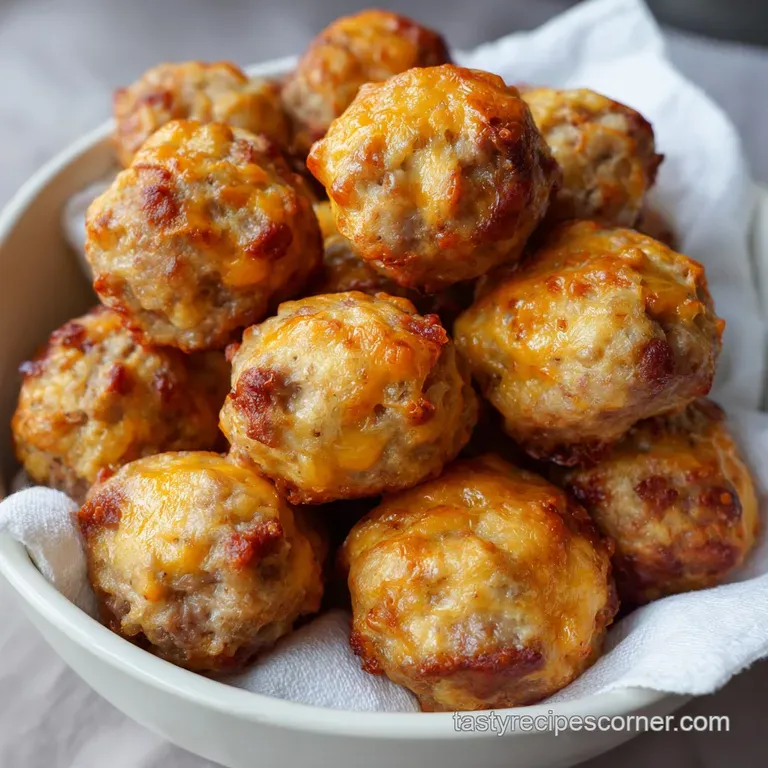
- The Perfect Picnic Parcel: Cheesy Sausage & Sharp Cheddar Balls
- The Ultimate Cheesy Snack: What Makes These Sausage Balls Different?
- Mastering the Texture: The Science Behind Tender, Flavorful Bites
- Essential Elements: Gathering Your Ingredients for the Best Sausage Balls
- Mixing, Rolling, and Baking: Your Complete Preparation Guide
- Pro Tips: Avoiding Dryness and Solving Common Sausage Ball Problems
- Make Ahead Magic: Storing and Freezing Your Picnic Parcels
- Perfect Pairings: Dipping Sauces and Buffet Companions
- Storage, Freezing, and Reheating
- Recipe FAQs
- 📝 Recipe Card
The Perfect Picnic Parcel: Cheesy Sausage & Sharp Cheddar Balls
The Ultimate Cheesy Snack: What Makes These Sausage Balls Different?
Can we talk about that smell? The moment those little savory spheres hit the oven, your entire house transforms into a cozy, golden, cheesy haven. That unique aroma, a perfect mix of savory pork fat, sharp cheddar, and that unmistakable buttermilk tang, is the signal that heaven is about to arrive.
These Sausage balls are fundamentally comforting.
We all need those recipes that are true kitchen lifesavers. This one is simple, incredibly inexpensive to scale up, and delivers maximum flavor with minimal effort it’s the definition of a winner.
Whether you need an easy Sunday brunch accompaniment or a hearty appetizer for a crowd watching the game, these fit the bill perfectly every single time. Seriously, these things disappear faster than I can bake them.
I have spent years perfecting the simple three ingredient Sausage balls recipe because, let's be honest, the classic version often ends up dry or greasy. I have learned a few sneaky tricks about temperature and mixing technique that guarantee a tender, juicy result, and I am finally ready to share the secrets to the ultimate Sausage balls with you.
Let’s get baking!
Mastering the Texture: The Science Behind Tender, Flavorful Bites
If you’ve ever had a dry, crumbly version of this appetizer, you know that not all Sausage balls are created equal. My goal here is a perfectly tender crumb that holds together but isn't dense or rubbery. It’s a delicate balance!
A History of the Humble Buffet Bite
The Sausage balls we know and love are fundamentally a product of post war ingenuity, built around convenience ingredients like the popular boxed baking mix. They became a staple of holiday breakfasts and church potlucks because they were so easy to make in large batches.
While the concept is old school, the techniques we use today ensure they stay moist and modern tasting.
Why Sharp Cheddar is Non-Negotiable
While mild cheddar is fine, sharp cheddar cheese (the older, the better) provides the essential tang and robust flavor needed to stand up to the heavily seasoned bulk sausage. The flavor profile of great Cheesy sausage balls depends on high-quality fat (from the pork) and punchy acidity (from the cheese).
Don't skimp here; it makes all the difference.
Meet Your New Favorite Game Day Appetizer
I promise you, once you bring a batch of these glorious little bites to a party, you will be asked for the recipe. They are portable, they taste amazing warm or at room temperature, and they are delightfully savory.
If you’re tired of the same old chips and dip, serving hot, fresh Sausage balls is the simplest way to upgrade your snack game instantly.
The Critical Role of Cold Ingredients
This is my biggest secret. Never use room temperature sausage or cheese when making Sausage balls . Using cold ingredients prevents the fat in the sausage and the cheese from melting and integrating prematurely before the structure of the baking mix is set.
Starting cold ensures that the fat renders slowly in the oven, keeping the interior moist and tender.
How the Baking Mix Creates the Perfect Crumb
The prepared baking mix (like Bisquick) already contains flour, leavening agents (baking powder), and usually some form of shortening or fat. This pre-mixed balance is critical. The leavening agents create pockets of air as the heat hits them, resulting in a lighter structure.
This structure is what keeps your Sausage balls from turning into heavy little bricks.
Achieving Golden Brown Perfection Without Drying Out
The key to perfectly browned Sausage balls is the combination of fat content and temperature control. We bake them at a medium high temperature (375°F or 190°C) which is hot enough to brown the exterior quickly, but not so hot that it instantly dries out the interior.
If you notice them browning too fast, cover the pan loosely with foil for the last five minutes.
Essential Elements: Gathering Your Ingredients for the Best Sausage Balls
The beauty of this recipe is its simplicity, but every ingredient plays a vital role in the final texture and flavor.
| Ingredient | Role in the Recipe | Smart Substitutions |
|---|---|---|
| Bulk Pork Sausage | Primary flavor and fat source. | Ground turkey or chicken sausage (add 1 tbsp butter for moisture). |
| Baking Mix | Structure and leavening. | DIY: Flour, baking powder, salt, and shortening (see Smart Swaps section). |
| Sharp Cheddar Cheese | Tang, creaminess, and binding agent. | Pepper Jack, Colby Jack, or Swiss cheese. |
| Whole Milk | Hydration and tenderness. | Buttermilk, or 1/2 cup skim milk + 1 tsp melted butter. |
| Worcestershire/Mustard | Umami depth and flavor pop. | Soy sauce (half quantity) or a pinch of garlic powder. |
Chef’s Note: The addition of Worcestershire and dry mustard might seem tiny, but they work magic by amplifying the inherent savory qualities of the cheese and sausage. It’s my little secret for the ultimate Sausage balls recipe flavor boost.
Mixing, Rolling, and Baking: Your Complete Preparation Guide
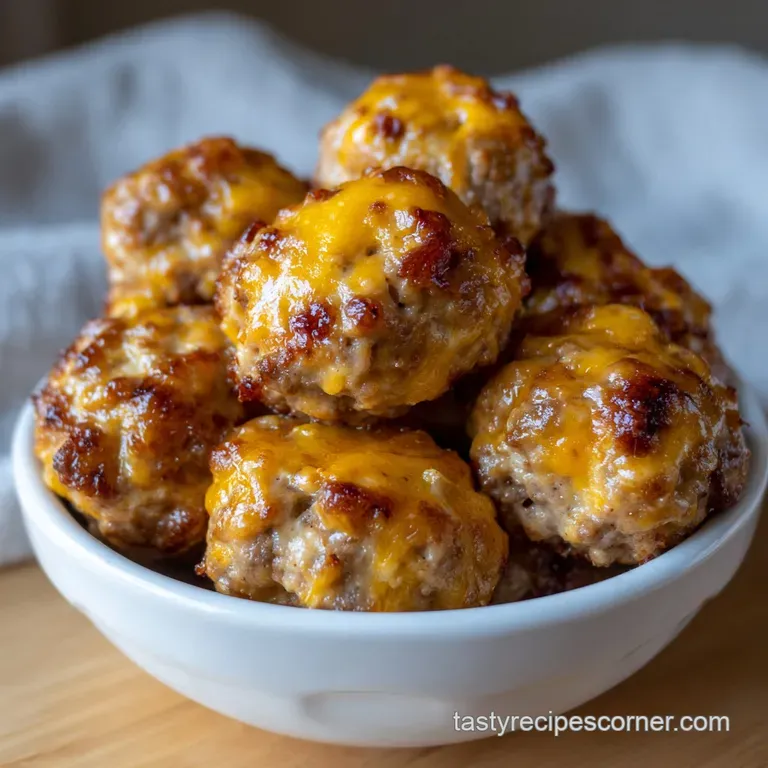
Let’s crack on. This is a one-bowl operation, so cleanup is almost non-existent.
Selecting the Right Type of Bulk Sausage (Mild vs. Hot)
I almost always prefer a mild or sage flavored breakfast sausage for classic Sausage balls . This gives you a nice, neutral base that allows the sharp cheddar to shine. However, if you love heat, use hot Italian sausage or a spicy breakfast blend.
Just remember that the sausage is doing most of the seasoning work here!
Cheese Choices: Which Cheddar Melts Best?
Always, always grate your own cheese. Pre-shredded cheese contains cellulose and potato starch to prevent clumping, which actively inhibits smooth melting and integration into the dough. For the best Sausage balls , grate cold, quality sharp cheddar.
Smart Swaps for the Baking Mix
If you are out of the boxed baking mix, don't panic! You can make your own. Just mix 3 cups of all-purpose flour with 4 teaspoons of baking powder, 1 teaspoon of salt, and cut in 1/4 cup of cold, diced shortening or butter.
This works perfectly to create resilient Bisquick sausage balls recipe texture.
Preparing the Dough: The Hand Mixing Advantage
Start by combining all the dry ingredients, including the grated cheese and seasonings, whisking them briefly. Then add the cold, crumbled sausage. Use your hands! You need to really work the sausage fat into the dry mix. It will look crumbly and rough initially.
This technique ensures the fat coats the flour, preventing toughness. Finally, add the milk. Mix just until it forms a cohesive dough no longer. That moment the dough comes together is when you stop.
Uniform Rolling for Even Cooking
If you have a cookie scoop, use it. Uniformity is key for predictable baking times. The recommended size is 1.5 inches, or about the size of a golf ball. Placing these small portions on the tray ensures that every one of your Sausage balls appetizer portions cooks perfectly at the same time.
Oven Temperature and Timing Checklist
Preheat your oven to 375°F (190°C). This ensures that the heat is aggressive enough to start the browning process quickly. Bake the Sausage balls for 22 to 25 minutes.
They should be deeply golden on the outside, and when you break one open, the interior should look fully cooked with no pink residue.
Pro Tips: Avoiding Dryness and Solving Common Sausage Ball Problems
Dry Sausage balls are the ultimate tragedy. They crumble, they lack flavor, and they are generally sad. Here are the common pitfalls and how to navigate them successfully.
The Secret to Keeping the Mixture Manageable
Because this dough is high in fat, it can get sticky very quickly, especially if you have warm hands. If your dough starts sticking to everything while rolling, pop the entire bowl into the fridge for 10 minutes. The slight chill makes the mixture firm up just enough to roll easily.
Using non-latex gloves can also help keep the rolling process smooth.
Troubleshooting Crumbly or Sticky Dough
If your dough is too crumbly and won't hold its shape, your sausage might be too lean (like ground turkey). Add a tiny splash more milk or a teaspoon of melted butter. If the dough is too sticky, you may have added too much milk or over mixed. Add one tablespoon of extra baking mix until it’s manageable.
Remember, the texture should be firm, not wet, making it perfect for picnic Sausage balls .
Checking for Doneness (No More Guesswork)
We are dealing with raw pork here, so internal temperature matters. While the visual check (deep golden brown) is usually sufficient, if you are nervous, use an instant read thermometer. The center of the largest Sausage balls should register 165°F (74°C).
This guarantees safety and ensures they are cooked all the way through without being overcooked.
make-ahead Magic: Storing and Freezing Your Picnic Parcels
One of the greatest things about the Sausage balls recipe is how brilliant they are for meal prep or future snacking.
Freezing Unbaked Bites for Later
If you want to save time, roll the mixture into balls and place them on a parchment lined tray, touching them as little as possible. Freeze the tray until the Sausage breakfast balls are solid, then transfer them to a freezer safe zip-top bag. They will keep for up to three months!
When ready to bake, place them directly onto a baking sheet and add 5 to 10 minutes to the total baking time.
Reheating Baked Snacks Without Losing Moisture
Baked Sausage balls reheat beautifully. The best method is always the oven or the air fryer. The goal is rapid reheating without drying out the interior.
Safe Fridge Storage Times for Leftovers
Once baked, these stay good in an airtight container in the fridge for up to four days. They are fantastic cold right out of the fridge for a quick snack!
Perfect Pairings: Dipping Sauces and Buffet Companions
Honestly, these are so flavorful they don't need a sauce, but who are we kidding? Dipping is half the fun!
Storage, Freezing, and Reheating
Let's break down the technical storage methods for these incredible savory snacks.
How to Store Leftovers
Allow the Ultimate sausage balls recipe leftovers to cool completely at room temperature (this is critical to avoid moisture build-up). Store them in an airtight container in the refrigerator for up to 4 days. They are great served cold, but reheating is quick and easy.
Freezing Instructions
Whether you opt for the unbaked or baked route, freezing is the way to go for long term storage. For baked balls, flash freeze them on a sheet pan first, then transfer them to a heavy duty freezer bag or container. This prevents them from sticking together in one giant clump. Label the container clearly.
Frozen baked Sausage balls are good for up to 3 months.
Best Reheating Methods
The best way to get that crispy exterior back is using dry heat.
- Oven: Preheat to 350°F (175°C). Place the balls on a parchment lined tray and bake for 10– 12 minutes (if refrigerated) or 15– 20 minutes (if frozen).
- Air Fryer: Preheat the Sausage balls air fryer to 325°F (160°C). Cook for 5– 7 minutes until piping hot and sizzling.
What to Serve With This Dish
These Sausage balls are rich and hearty, so think about accompanying dishes that offer some contrast.
- Dipping Sauces: A simple honey mustard sauce is classic. For a savory pairing, try a creamy ranch or even a warm, simple marinara (like a super tiny meatball!).
- Brunch Companions: If you are serving these for breakfast or brunch, they pair perfectly with fresh fruit salad, scrambled eggs, or a hearty bake. Speaking of which, if you need another sausage based breakfast hero, check out my recipe for Breakfast Casserole: The Overnight Sourdough Sausage Bake .
- Dinner Appetizer: When using a spicier Italian sausage, these are amazing served alongside other appetizers. For a great dinner pairing, consider making my Ground Sausage Recipes for Dinner: Hearty Cheddar Onion Pasties .
There you have it the definitive guide to making Sausage balls that are guaranteed to be tender, cheesy, and absolutely addictive. Stop letting those dry, crumbly versions haunt your memory. Go forth, mix cold, and conquer that buffet!

Recipe FAQs
Can I prepare the sausage balls ahead of time, and how should I store them?
Sausage balls are excellent for meal prep and can be frozen either cooked or raw. To freeze raw balls, shape them, place them on a sheet pan until solid, and then transfer them to an airtight container or freezer bag. They can be baked directly from frozen, adding about 10 to 15 minutes to the cooking time.
Why are my sausage balls dry, crumbly, or falling apart after baking?
Dryness is usually caused by using overly lean sausage or inadequate moisture during mixing. If your mixture feels too stiff, add one or two tablespoons of milk or water until the dough holds together easily when squeezed.
Ensure all ingredients, especially the baking mix, are thoroughly incorporated into the meat and cheese before shaping.
Can I substitute the pork sausage with a different type of meat?
Yes, ground turkey or chicken sausage can be used as a leaner alternative, but be mindful of the fat content. If using very lean poultry, you may need to add a teaspoon of olive oil or use full fat cheese to prevent the balls from becoming too dense or dry.
Ensure the poultry sausage is seasoned well, as it is often milder in flavor than pork.
I don't have a baking mix like Bisquick. Can I make my own substitute?
Absolutely. You can create a quick homemade substitute by combining 2 cups of all-purpose flour, 3 teaspoons of baking powder, and 1 teaspoon of salt. Cut in 1/2 cup of cold, cubed butter or shortening until the mixture resembles coarse crumbs, then use this mixture cup-for-cup in the recipe.
How can I tell if my sausage balls are fully cooked and safe to eat?
The exterior should be a deep golden brown and the balls should feel firm to the touch when gently pressed. For safety, pork sausage balls must reach an internal temperature of 160°F (71°C) as verified by a meat thermometer inserted into the center.
If they are soft and pale, continue baking them until the required internal temperature is met.
How can I make these sausage balls spicier or add different flavor notes?
To increase the heat, replace the mild sausage with a hot variety, or incorporate 1/2 teaspoon of cayenne pepper into the dough mixture. For an herby Mediterranean flavor, add 1 tablespoon of dried oregano and a teaspoon of garlic powder. Alternatively, folding in chopped chives or sun-dried tomatoes works wonderfully.
Can this recipe be adapted to be gluten-free?
Yes, sausage balls are easily made gluten-free by substituting a commercially available gluten-free baking mix in place of traditional Bisquick. Most cheeses and breakfast sausages are naturally gluten-free, but always check the packaging labels for cross contamination warnings or additives.
The baking time will remain largely the same.
Cheesy Sausage Cheddar Balls
Ingredients:
Instructions:
Nutrition Facts:
| Calories | 128 calories |
|---|---|
| Fat | 10 grams |
| Fiber | 1 grams |
