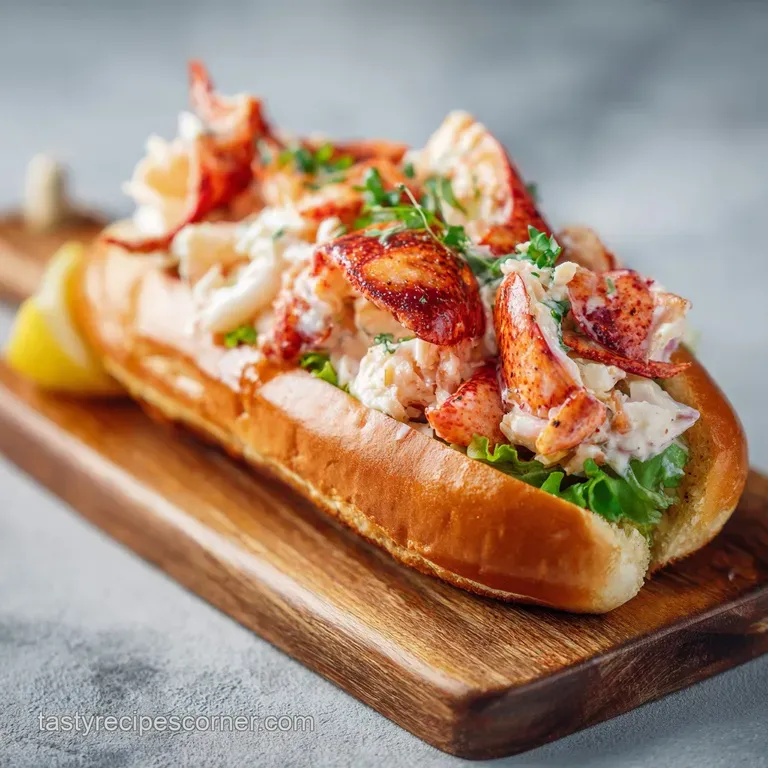
Buttery Maine Lobster Roll: Warm and Zesty Hybrid
- Time: Active 20 minutes, Passive 10 minutes, Total 30 minutes
- Flavor/Texture Hook: Silky lobster meat paired with a shatter crisp, buttery bun
- Perfect for: High end weekend lunches or impressive summer entertaining
- Winning the Weekend with This Iconic Maine Lobster Roll Recipe
- Essential Specifications for Success
- Quality Ingredients and Smart Budget Swaps
- Tools for a Flawless Prep
- Executing the Perfect Coastal Classic
- Navigating Common Lobster Roll Hurdles
- Creative Spins and Dietary Adjustments
- Handling Leftovers and Reducing Waste
- Sides That Complete the Meal
- Very High in Sodium
- Recipe FAQs
- 📝 Recipe Card
Winning the Weekend with This Iconic Maine Lobster Roll Recipe
Have you ever wondered why we're willing to drop thirty or forty dollars on a single sandwich at a seaside shack? It is a fascinating question because, when you strip it all back, we are talking about a hot dog bun and some crustacean meat.
But the magic isn't in the price tag, it is in that specific, fleeting moment when the cold, creamy dressing meets the warm, buttery lobster meat. I used to think the secret was some hidden spice blend, but after making more than my fair share of rubbery, disappointing rolls, I realized it is actually about temperature control and the specific "crunch factor" of the bread.
This is the kind of meal that makes everyone at the table go silent for a second. We're going for that quintessential Maine style here, which means we want chunks of meat so large they look like they are trying to escape the bun.
My goal is to show you how to get that restaurant quality result without needing a culinary degree or a massive budget. We're keeping things efficient because, let's be honest, if you're eating lobster, you want to be enjoying it, not spending three hours over a stove.
We're going to focus on a hybrid method that uses a quick butter warm for the meat before it hits a chilled dressing. It sounds counterintuitive, but it's the trick that keeps the meat from getting tough while ensuring every bite is seasoned to the core.
If you've ever had a roll where the lobster tasted "flat," it's because it wasn't warmed in fat first. We're going to fix that right now.
Essential Specifications for Success
To get this right, you need to understand how the heat interacts with the protein. Lobster meat is notoriously finicky. If you overcook it by even sixty seconds, it turns from velvety to bouncy. We use a two step temperature approach: a gentle butter bath followed by a quick toss in a cold bowl.
This stops the carryover cooking immediately while allowing the fat to coat the fibers of the meat, making it feel much richer on the tongue than it actually is.
Thermal Management: Warming the lobster in butter for 1-2 minutes creates a fat barrier that prevents the lemon juice from "cooking" the meat further (like ceviche) when they mix.
Emulsion Stability: By whisking the lemon and mayo separately before adding the meat, we create a stable base that won't break or become watery as the sandwich sits.
Maillard Timing: Toasting the buns at medium heat for exactly 2-3 minutes ensures the salted butter browns without burning, providing a nutty aromatic profile that complements the sweet meat.
| Meat Thickness | Internal Temp | Rest Time | Visual Cue |
|---|---|---|---|
| 1 inch Chunks | 140°F (60°C) | 2 minutes | Opaque and firm to touch |
| Whole Tail | 145°F (63°C) | 5 minutes | Shell turns bright red |
| Claw Meat | 140°F (60°C) | 1 minute | Naturally separates from cartilage |
Choosing the right method for your kitchen setup is vital. While most people think of lobster as a stovetop only affair, you can actually handle the bun prep in the oven if you're serving a larger crowd. However, the stovetop gives you much more control over that golden brown crust we're looking for. If you're interested in other quick, high protein meals, you might enjoy my creamy garlic chicken which uses a similar fat based sauce technique to keep things moist.
| Component | Science Role | Pro Secret |
|---|---|---|
| Lobster Meat | Primary Protein | Use knuckle and claw for the softest texture; tail for chew. |
| Mayonnaise | Fat Emulsifier | Use a high egg yolk brand to keep the dressing from sliding off. |
| Lemon Juice | Acid Balance | Always zest first; the oils in the skin provide more aroma than the juice. |
| Celery Salt | Flavor Enhancer | This provides the "old school" shack flavor that plain salt misses. |
Quality Ingredients and Smart Budget Swaps
Getting your hands on 2 lbs of fresh Maine lobster meat can be pricey, but there are ways to make this work without breaking the bank. If you can't find pre cooked meat, buying whole lobsters and steaming them yourself is usually the most cost effective route. The key is the split top bun.
Don't try to use a standard side loading hot dog bun; it won't stand up correctly, and the lobster will just fall out the side. You need that flat surface area on the sides of the bun to get the proper griddle fry.
- 2 lbs fresh Maine lobster meat: Chilled and chopped into 1 inch chunks. Why this? Using knuckle, claw, and tail provides a mix of textures.
- Substitute: Large cold water shrimp or langoustines (roughly 900g).
- 2 tbsp unsalted butter: For warming the meat. Why this? Unsalted allows you to control the seasoning precisely.
- Substitute: Clarified butter (ghee) for a higher smoke point.
- 1/4 cup high-quality mayonnaise: The binder. Why this? It adds the necessary fat for a silky mouthfeel.
- Substitute: Plain Greek yogurt for a tangier, lower calorie version.
- 1 tbsp fresh lemon juice: For brightness. Why this? Cuts through the richness of the mayo and butter.
- Substitute: White wine vinegar or lime juice.
- 1/2 tsp lemon zest: For aroma. Why this? The oils provide a floral note that juice lacks.
- Substitute: Dried lemon peel (use half the amount).
- 1/4 cup fresh chives: Finely minced. Why this? Provides a mild onion flavor without the harsh bite.
- Substitute: Mince the green tops of scallions.
- 1/2 tsp celery salt: The "shack" secret. Why this? Adds an earthy, savory depth.
- Substitute: Regular sea salt plus a pinch of ground celery seed.
- 1/4 tsp smoked paprika: For color and depth. Why this? Adds a tiny hint of "outdoor grill" flavor.
- Substitute: Sweet paprika or a tiny pinch of cayenne.
- 1 rib celery: Minced extremely fine. Why this? Adds essential crunch to contrast the soft meat.
- Substitute: Finely diced jicama or water chestnuts.
- 4 split top New England style hot dog buns: The vessel. Why this? Flat sides are mandatory for even toasting.
- Substitute: Brioche loaf sliced into thick "Texas toast" rectangles.
- 3 tbsp salted butter: Softened for toasting. Why this? Salted butter browns better and seasons the bread.
- Substitute: Mayo (spread on the outside of the bun before toasting).
Tools for a Flawless Prep
You don't need a pantry full of gadgets, but two things are non negotiable. First, kitchen shears. If you are starting with whole lobsters, trying to crack shells with a knife is dangerous and messy. Shears let you unzip the tail and claws with surgical precision. Second, a heavy bottomed skillet.
I prefer cast iron or a thick stainless steel pan. You want something that holds heat so that when you put those buttered buns down, the temperature doesn't drop, ensuring you get a golden crust rather than just greasy bread.
A large glass or stainless steel mixing bowl that has been chilled in the fridge for ten minutes is a pro move. When you mix the warm lobster with the mayo, the chilled bowl helps regulate the temperature so the mayo doesn't melt into an oily puddle. It keeps the dressing "velvety" rather than greasy. If you are looking for other ways to use that heavy skillet, check out my baked tortellini which is a great weeknight staple.
Executing the Perfect Coastal Classic
- Steam the lobster. If you are using whole lobsters, steam them for 8 minutes per pound. Note: Don't overfill the pot; the steam needs to circulate freely.
- Shock the meat. Immediately transfer the cooked lobsters to an ice bath for 5 minutes. Wait until they are cool to the touch to stop the cooking.
- Extract the chunks. Use shears to remove the meat, then cut it into large, 1 inch pieces. Look for the beautiful red exterior to remain intact.
- Warm in butter. Toss the chunks with 2 tablespoons of unsalted butter in a pan over low heat for 1-2 minutes. Wait until the meat is just barely warm, not hot.
- Prepare the dressing. In your chilled bowl, whisk the mayo, lemon juice, zest, chives, celery salt, paprika, and minced celery. Whisk until the mixture is completely smooth.
- Combine carefully. Gently fold the buttered lobster into the dressing. Watch for the dressing to coat without drowning the meat.
- Butter the buns. Spread the softened salted butter generously on the flat outer sides of the split top buns.
- Toast to golden. Place buns in a skillet over medium heat for 2-3 minutes. Cook until the surface is deep golden and crackling.
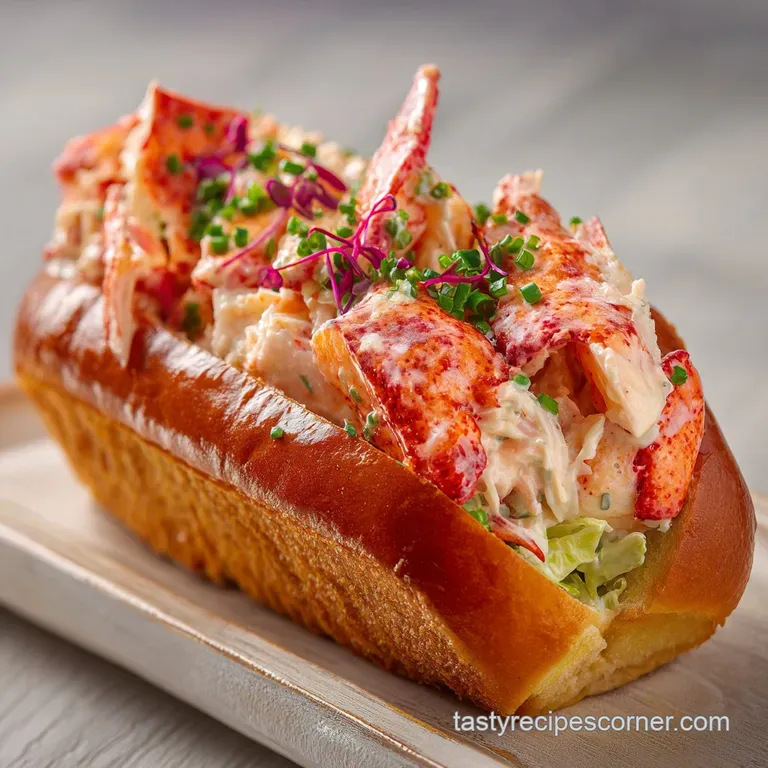
- Stuff the rolls. Divide the mixture evenly, piling it high. Serve immediately while the buns are still warm and the lobster is cool.
Navigating Common Lobster Roll Hurdles
The biggest tragedy in a lobster roll recipe is rubbery meat. This usually happens because the lobster was steamed too long or the warming step was too aggressive. Remember, the lobster is already cooked; you are just giving it a "hug" with butter to wake up the flavors.
If your meat feels bouncy like a rubber ball, it’s overdone.
Why Your Lobster Is Tough
This usually stems from two things: over steaming or a lack of an ice bath. When you take a lobster out of the pot, it stays hot inside the shell for a long time. That internal heat keeps cooking the protein.
If you don't shock it in ice water, you're essentially cooking it for an extra five minutes without realizing it.
| Problem | Root Cause | Solution |
|---|---|---|
| Soggy Bun | Too much dressing or watery lobster | Drain lobster on paper towels after warming; use less mayo. |
| Greasy Bread | Heat was too low | Ensure the pan is preheated so the butter crisps the bread instantly. |
| Broken Dressing | Warm lobster melted the mayo | Chill the bowl and the mayo before mixing; only warm the meat slightly. |
Common Mistakes Checklist
- ✓ Never use miracle whip; the sugar content ruins the delicate sweetness of the seafood.
- ✓ Don't skip the celery salt; it's the specific ingredient that provides that "authentic" flavor.
- ✓ Pat the lobster meat dry with paper towels before the butter toss to prevent steaming.
- ✓ Avoid the microwave at all costs for warming the meat; it toughens the protein instantly.
- ✓ Don't overcrowd the skillet when toasting buns; do two at a time if necessary.
Creative Spins and Dietary Adjustments
Scaling this recipe is fairly straightforward. If you're cooking for a crowd (up to 8 people), you can toast the buns in the oven at 200°C for about 5-7 minutes, though you'll need to watch them like a hawk to ensure they don't turn into croutons.
When scaling down for two, just use 1 lb of meat and half an egg's worth of mayo if you're making your own, or just keep the measurements proportional.
| Method | Time | Texture | Best For |
|---|---|---|---|
| Stovetop | 3-5 mins | Ultra crispy, buttery | Maximum flavor and 1-4 servings |
| Oven (Broil) | 1-2 mins | Lightly toasted, dry | Serving 6+ people at once |
| Air Fryer | 2 mins | Crunchy but can be dry | Quick individual servings |
For those looking for a budget alternative, I often do a "poor man's roll" using high-quality lump crab meat or even monkfish. Monkfish is often called "poor man's lobster" because it has a very similar density and sweetness when poached in butter.
It's a great way to practice the technique before spending the big bucks on Maine lobster.
Handling Leftovers and Reducing Waste
Lobster is best eaten the second it's made, but if you have leftovers, store the lobster salad separately from the buns. It will stay fresh in an airtight container in the fridge for up to 2 days. Do not freeze the finished salad; mayo doesn't handle the freezing process well and will separate into a grainy mess.
If you bought whole lobsters, please don't throw away the shells! Those shells are liquid gold. Put them in a pot with some water, a splash of wine, and some onion scraps. Simmer for 45 minutes and you have a base for a world class bisque.
It's the ultimate zero waste move that makes the high price of the lobster feel much more justifiable.
Sides That Complete the Meal
I am a firm believer that a lobster roll needs something salty and something acidic on the side. A pile of kettle cooked potato chips is the traditional choice because that "crunch" echoes the toasted bun. A side of vinegar based coleslaw also works wonders to reset your palate between those rich, buttery bites.
If you want to keep it light, a simple green salad with a sharp lemon vinaigrette is great. But honestly, if you've gone to the trouble of making a lobster roll recipe from scratch, you might as well go all in.
I've found that a few pickles specifically half sour dills provide the perfect punchy contrast to the smoked paprika in the dressing. It’s all about balancing that high fat content with sharp, bright notes.
Trust me, once you nail that bun to meat ratio, you'll never want to buy one at a stand again.

Very High in Sodium
845 mg 845 mg (37% 37%)
The American Heart Association recommends limiting sodium intake to no more than 2,300mg per day, with an ideal limit of about 1,500mg for most adults.
Tips to Reduce Sodium
-
Swap Celery Salt for Seasoning-25%
Celery salt is a significant source of sodium. Replace the 1/2 tsp of celery salt with 1/2 tsp of regular salt and 1/4 tsp of celery seed, or omit it entirely and rely on other seasonings for flavor.
-
Use Unsalted Butter for Buns-15%
The 3 tbsp of salted butter used for the buns contributes considerably to the sodium content. Switch to unsalted butter to control the salt level in this component.
-
Adjust Mayonnaise and Lemon-5%
While mayonnaise and lemon juice are generally low in sodium, using high-quality, low-sodium mayonnaise can make a difference. Taste and adjust lemon juice and zest to enhance flavor without relying on salt.
-
Amplify Fresh Herbs and Spices
Increase the amount of fresh chives and consider adding other fresh herbs like parsley or dill. Use smoked paprika and lemon zest generously to build flavor.
Recipe FAQs
What are the ingredients of a lobster roll?
This recipe requires 2 lbs of pre-cooked Maine lobster meat, 1/4 cup mayonnaise, 1/4 cup minced chives, 1 rib of minced celery, 1 tbsp fresh lemon juice, and 1/2 tsp lemon zest. You will also need 1/4 tsp smoked paprika, 1/2 tsp celery salt, 3 tbsp softened salted butter for the buns, and 2 tbsp
unsalted butter for warming the meat.
What is the secret to a great lobster roll?
Temperature contrast and texture define the perfect roll. By warming the meat in unsalted butter for 1-2 minutes before folding it into the chilled mayonnaise mixture, you achieve a succulent texture that avoids the rubbery outcome common with overcooked seafood. If you enjoyed mastering this precise temperature control, you can apply similar sensory doneness cues to ensure success with other delicate proteins.
Is lobster good for heart patients?
Consult your physician before adding lobster to your diet. While lobster is a lean source of protein, it is also relatively high in dietary cholesterol and sodium, which may conflict with specific heart health guidelines.
What are some common lobster roll mistakes?
Overcooking the meat and under toasting the bun are the most frequent errors. Ensure you only warm the meat briefly for 1-2 minutes and prioritize a deep, crisp golden brown finish on the bun using salted butter to provide the necessary structural crunch.
How to ensure the lobster meat stays tender?
Steam your lobster for exactly 8 minutes per pound and transfer immediately to an ice bath for 5 minutes. This rapid cooling stops the carryover cooking process, preserving the delicate, silky texture required for the final assembly.
How to achieve the perfect crispy bun?
Spread salted butter generously on the outer sides of your split top buns before placing them in a heavy bottomed skillet over medium heat. Griddle fry the buns until they reach a deep, shatter crisp exterior, which is essential for holding the heavy, succulent lobster mixture.
How to mix the lobster dressing for the best flavor?
Whisk your mayonnaise, lemon juice, lemon zest, chives, celery salt, and smoked paprika together in a chilled mixing bowl first. Once the dressing is emulsified, gently fold in the buttered, warm lobster meat until just lightly coated to maintain the integrity of the large, 1 inch chunks.
Buttery Maine Lobster Roll
Ingredients:
Instructions:
Nutrition Facts:
| Calories | 589 kcal |
|---|---|
| Protein | 47.8 g |
| Fat | 29.2 g |
| Carbs | 26.4 g |
| Fiber | 1.2 g |
| Sugar | 3.1 g |
| Sodium | 845 mg |
