Chocolate Chunk Cookies with Browned Butter
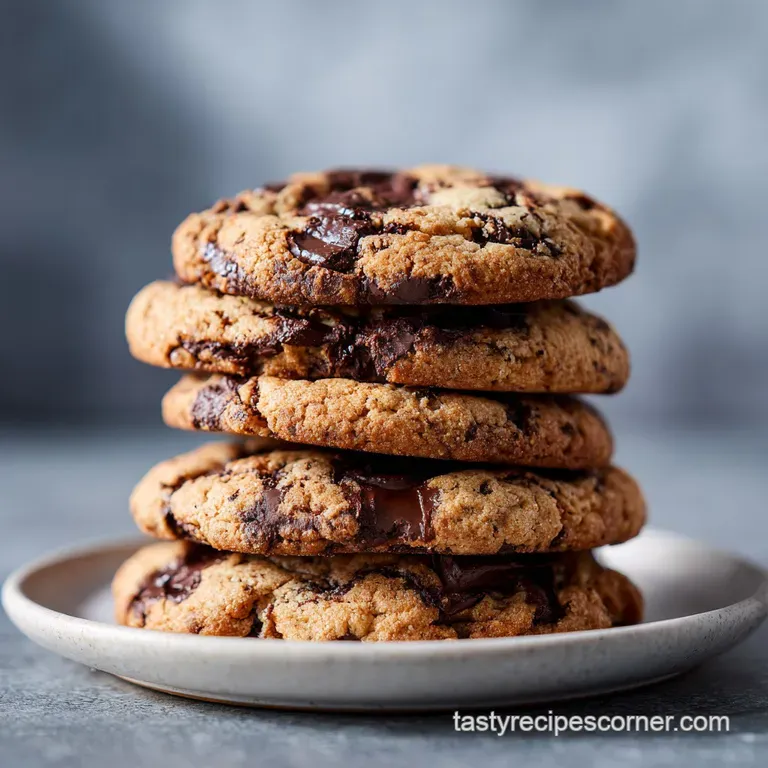
- Time: Active 20 minutes, Passive 12 minutes, Total 32 minutes
- Flavor/Texture Hook: Shatteringly crisp edges with a buttery, fudgy center
- Perfect for: Impressing guests at a dinner party or a cozy weekend treat
- The Secret to Bakery Style Chocolate Chunk Cookies
- Why These Science Backed Cookies Work
- Serving Size and Yield Guide
- The Chemistry of the Crumb
- Gathering Your Essential Ingredients
- Essential Tools for Better Baking
- Step by Step Baking Method
- Troubleshooting Common Cookie Mistakes
- Creative Ways to Customize
- Storage and Zero Waste Tips
- Elegant Pairings for Dessert
- Recipe FAQs
- 📝 Recipe Card
The Secret to Bakery Style Chocolate Chunk Cookies
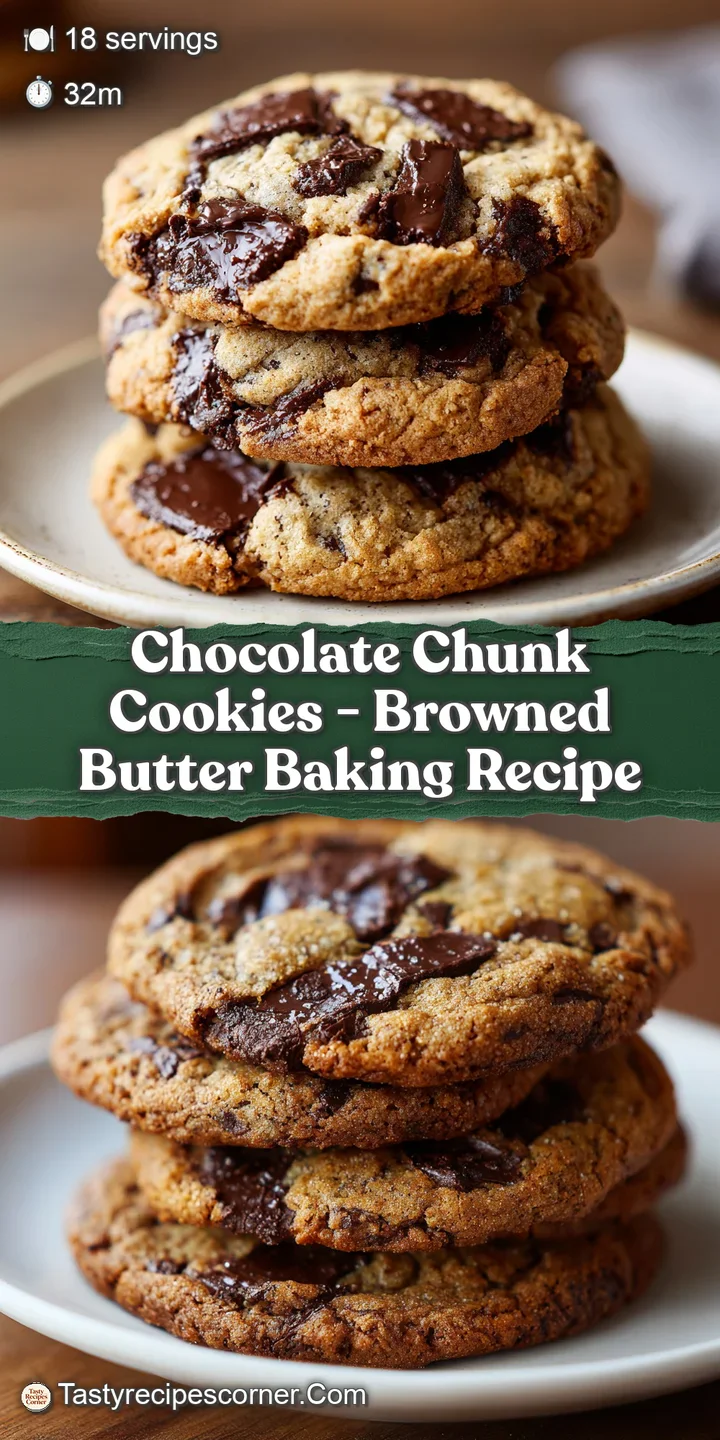
The sound of a heavy chef's knife thwacking through a thick slab of 70% dark chocolate is a ritual in my kitchen. It isn't just about getting the chocolate into the dough, it's about the uneven shards, the dust that turns the batter a marbled tan, and those massive chunks that refuse to lose their shape.
I remember the exact moment I realized that bagged chocolate chips were holding me back. They're designed to keep their shape with stabilizers, but when you want those velvety, messy pools of chocolate that stretch when you pull a cookie apart, you have to go for the bar.
Chasing that perfect contrast of color and texture led me to this specific method. We aren't just making a snack, we're building a sensory experience. The aroma of the butter browning on the stove - moving from yellow to a frothy, nutty amber - is your first clue that these aren't your average treats.
It smells like toasted hazelnuts and caramel before you even add the sugar. That deep golden hue of the dough provides the perfect canvas for the dark mahogany of the chocolate.
You'll find that the "secret" isn't one weird trick, but a series of small, intentional choices. From the extra egg yolk that adds a custard like richness to the cornstarch that keeps the center tender, every element has a job.
We're aiming for a cookie that looks as sophisticated as it tastes, finished with a deliberate scatter of flaky salt that catches the light like tiny diamonds. Let's get into how we make this happen without the stress.
Why These Science Backed Cookies Work
- Maillard Reaction: Browning the butter and using dark brown sugar creates complex, toffee like flavors through amino acid breakdown.
- Enzyme Inhibition: The addition of cornstarch softens the proteins in the all purpose flour, resulting in a more tender, less bread like crumb.
- Hygroscopic Balance: Dark brown sugar attracts more moisture than white sugar, ensuring the centers stay fudgy for days instead of drying out.
- Fat Emulsification: Adding an extra egg yolk introduces lecithin, which binds the fats and liquids more tightly for a silky, uniform dough.
If you are looking for a different texture profile, you might enjoy comparing this to my Chocolate Chip Cookies recipe which uses a more traditional creaming method for a classic lift.
Serving Size and Yield Guide
| Servings | Ingredient Adjustments | Pan Size | Cook Time |
|---|---|---|---|
| 9 Cookies | Half all quantities (use 1 yolk only) | 1 large baking sheet | 11 minutes |
| 18 Cookies | Use quantities listed in schema | 2 large baking sheets | 12 minutes |
| 36 Cookies | Double everything (use 3 eggs total) | 4 baking sheets | 14 mins (rotate pans) |
When you're baking for a crowd, remember that overcrowding the pan is the quickest way to end up with one giant "mega cookie." I always suggest leaving at least 5cm between each ball of dough to allow the heat to circulate properly, ensuring those edges get that signature snap.
The Chemistry of the Crumb
| Ingredient | Science Role | Pro Secret |
|---|---|---|
| Unsalted Butter (170g) | Provides fat for tenderness and flavor | Brown it until it smells like toasted nuts for depth. |
| Cornstarch (10g) | Interferes with gluten formation | Provides a "melt in-mouth" texture often found in shortbread. |
| Dark Brown Sugar (150g) | Adds moisture and acidity | The molasses reacts with baking soda for a better rise. |
| Dark Chocolate (225g) | Creates varied melting points | Chop into irregular sizes to get both flakes and pools. |
The interaction between the fats and the sugars is what dictates whether your cookie is a "cake" or a "fudge." By using browned butter, we're actually removing the water content from the fat, which concentrates the flavor and changes how the flour hydrates.
It's a small step that yields a massive payoff in the final bite.
Gathering Your Essential Ingredients
- 280g all purpose flour: The structural backbone.
- 10g cornstarch: The secret to that velvety, soft to the touch center.
- 5g baking soda: For lift and that golden brown browning.
- 3g fine sea salt: To balance the intense sweetness.
- 170g unsalted grass fed butter: Why this? Grass fed butter has a higher fat content and better color for browning.
- 150g dark brown sugar: For a deep molasses undertone.
- 50g granulated cane sugar: Provides the crispness on the outer ring.
- 1 large egg + 1 egg yolk: The yolk adds incredible richness.
- 10ml pure vanilla bean paste: Why this? The flecks of vanilla bean add a visual touch of elegance.
- 225g dark chocolate (70% cacao): Use a bar, not chips, for better melt.
- Flaky sea salt (Maldon): The essential garnish for color and contrast.
Substituting with Success
| Original Ingredient | Substitute | Why It Works |
|---|---|---|
| Dark Brown Sugar | Light Brown Sugar | Same moisture, but will have a milder, less toasty flavor profile. |
| Vanilla Bean Paste | Pure Vanilla Extract | Provides the same floral aroma without the visible black flecks. |
| 70% Dark Chocolate | Semi sweet Chocolate | Slightly sweeter. Note: Lower cacao percentages melt faster and spread more. |
Choosing the right chocolate is where you can really show off. If you want a more playful flavor, you can check out my Peanut Butter Balls recipe for ideas on how to pair different chocolate percentages with salty elements.
Essential Tools for Better Baking
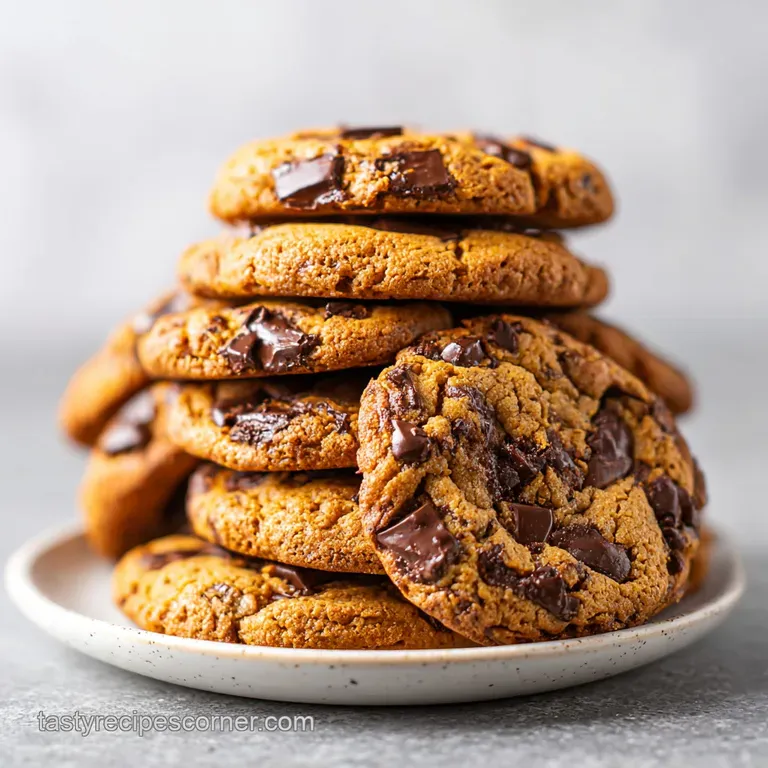
You don't need a kitchen full of gadgets, but a few specific tools make a world of difference. A heavy bottomed stainless steel saucepan is non negotiable for browning the butter, as it allows you to see the color change clearly.
If you use a dark coated pan, you'll likely burn the milk solids because you can't see them turning brown.
I also swear by a digital kitchen scale. Baking is a game of ratios. A "cup" of flour can vary by 20g depending on how tightly you pack it, and in a recipe this precise, that's the difference between a tender cookie and a dry brick. Finally,, get yourself some parchment paper or a silicone mat.
It ensures the bottoms don't scorch and makes cleanup a dream.
step-by-step Baking Method
- Brown the butter. Melt 170g unsalted butter in a saucepan over medium heat, swirling constantly until it foams and smells like hazelnuts. Note: Watch for the brown bits at the bottom; that's the flavor!
- Cool the fat. Pour the browned butter into a large heat proof bowl and let it sit for 10 minutes. It shouldn't be piping hot when you add the sugars.
- Whisk the sugars. Add 150g dark brown sugar and 50g cane sugar to the butter. Whisk vigorously until the mixture looks like wet sand.
- Emulsify the liquids. Add the egg, egg yolk, and 10ml vanilla bean paste. Whisk for 2 full minutes until the batter lightens in color and becomes glossy.
- Sift the dry ingredients. In a separate bowl, whisk 280g flour, 10g cornstarch, 5g baking soda, and 3g sea salt.
- Combine the mixtures. Fold the dry ingredients into the wet until only a few streaks of flour remain. Note: Overmixing at this stage will make the cookies tough.
- Chop the chocolate. Roughly chop 225g dark chocolate into uneven chunks. Fold them into the dough, along with any chocolate "dust" from the cutting board.
- Chill the dough. Cover and refrigerate for at least 30 minutes. This prevents the cookies from spreading into flat puddles.
- Scoop and bake. Preheat your oven to 180°C. Scoop 60g portions of dough onto a lined tray. Bake for 12 minutes until the edges are set but the center looks slightly soft.
- Garnish and cool. Immediately sprinkle with flaky sea salt. Let them rest on the pan for 5 minutes until they firm up enough to move.
Garnish Strategy for Color Balance
To achieve that "achievable elegance," we use a three point color accent strategy. First, the Golden Amber of the dough provides the base. Second, we ensure Deep Mahogany chocolate chunks are visible on top; if they're hidden, press a few extra pieces into the dough halfway through baking.
Finally, the Sparkling White of the Maldon salt adds a reflective finish. Add the salt the very second they come out of the oven so the heat "tackles" the salt into the melting chocolate.
Troubleshooting Common Cookie Mistakes
Why Your Cookies Spread Too Much
If your cookies come out looking like thin pancakes, the butter was likely too hot when you mixed it with the sugar, or the dough wasn't chilled long enough. When the fat is already liquid and warm, it melts in the oven before the flour has a chance to set the structure.
Fixing Dry, Crumbly Centers
This is almost always a result of too much flour. If you aren't using a scale, you're likely packing the flour into your measuring cup. Another culprit is overbaking. These cookies should look "underdone" in the middle when you pull them out; they finish cooking on the hot tray.
| Problem | Root Cause | Solution |
|---|---|---|
| Greasy Texture | Butter wasn't emulsified | Whisk sugar and butter longer until fully combined. |
| No "Pools" | Using stabilized chips | Switch to a high-quality chocolate bar and hand chop. |
| Tough Crumb | Overworked gluten | Mix dry ingredients only until "just" combined. |
Common Mistakes Checklist
- ✓ Ensure your egg is at room temperature so it doesn't seize the browned butter.
- ✓ Don't skip the cornstarch; it's the difference between "okay" and "bakery style."
- ✓ Use a dark brown sugar for that specific fudgy, acidic reaction.
- ✓ Give the pans a firm bang on the counter halfway through to deflate any air pockets.
- ✓ Let the baking sheet cool completely before starting the second batch.
Creative Ways to Customize
While the classic version is hard to beat, you can easily pivot this recipe to suit your mood. If you want an even deeper profile, add 5g of finely ground espresso powder to the dry ingredients. It doesn't make the cookies taste like coffee; it simply makes the chocolate taste "more" like chocolate.
It's a trick professional bakers use to add mystery to their browning.
Another elegant variation is the "Double Chocolate" approach. Replace 30g of the all purpose flour with high-quality Dutch processed cocoa powder. This results in a dough that is strikingly dark, making the white flaky salt pop even more visually.
If you're feeling adventurous, you could even swap the vanilla for a touch of almond extract, though use it sparingly as it's quite potent.
Comparison of Methods
| Feature | Fast (Room Temp Butter) | Classic (Browned & Chilled) |
|---|---|---|
| Flavor | Sweet and buttery | Toffee, nutty, and complex |
| Texture | Soft and cakey | Chewy with crisp, lacy edges |
| Appearance | Pale golden | Deep amber with dark marbling |
Storage and Zero Waste Tips
Storage: These cookies are best eaten within 3 days. Store them in an airtight container with a piece of white bread. The bread will give up its moisture to the cookies, keeping them soft while the bread turns hard.
You can also freeze the baked cookies for up to 2 months; just wrap them tightly in foil and then a freezer bag.
Zero Waste: Don't throw away those tiny chocolate "shavings" left on your cutting board! Stir them into the dough; they melt into the batter and create a beautiful "stracciatella" effect.
If you find yourself with a few stale cookies, crush them up and use them as a base for a cheesecake crust or as a topping for vanilla bean ice cream. Even the "mistakes" have a second life in a sundae.
Elegant Pairings for Dessert
To truly wow your guests, serve these warm with a small glass of cold, high fat milk or a dry Sherry. The acidity of a Sherry cuts through the richness of the 70% cacao beautifully. If you're hosting a dinner party, a scoop of salted caramel gelato on the side creates a temperature contrast that is hard to resist.
For a mid afternoon treat, pair a single cookie with a bitter espresso. The sugar in the cookie balances the coffee's intensity, and the fats in the butter coat the palate, making every sip smoother. It's about finding that balance between the salt, the fat, and the dark, bitter notes of the chocolate.
Whether you're sharing them or keeping the batch for yourself, these cookies represent the best of home baking simple, thoughtful, and undeniably sophisticated.
Recipe FAQs
What makes chocolate chunk cookies different from standard chocolate chip cookies?
Hand chopped chocolate is the key differentiator. Standard chips contain stabilizers to hold their shape during baking, resulting in distinct pieces, whereas hand chopped bars melt into irregular, molten pools.
What is the secret to achieving those famously chunky, melty pockets of chocolate?
Use high-quality chocolate bars chopped unevenly. The irregular sizes melt at different rates, creating a desirable mix of texture from small flakes to massive, gooey puddles.
What did the chocolate chunk cookie replace at Costco?
No official announcement was made, but it often replaced the standard chocolate chip cookie SKU. Consumers generally prefer the bakery style, thicker chunk cookie, pushing retailers to match demand for superior texture.
What is in Chick fil-A's chocolate chunk cookie?
The current recipe features chocolate chunks, vanilla, and semi sweet chocolate chips. It is known for being thick and slightly underbaked in the center for maximum chewiness, similar to our texture goals.
How do I prevent my cookie dough from spreading too much in the oven?
Chill the scooped dough for at least 30 minutes before baking. Cold fat melts slower, allowing the flour and eggs time to set the structure before the cookie flattens completely.
Should I use melted butter or room temperature butter for the best flavor?
Brown the butter for superior flavor complexity. Browning the butter adds nutty, toffee notes; if you enjoyed controlling the fat breakdown here, see how the same principle works in our 3-Ingredient Chocolate Covered recipe.
How can I ensure a fudgy center instead of a cakey texture?
Add a small amount of cornstarch and an extra egg yolk. The cornstarch physically interrupts gluten development, while the extra yolk adds richness and moisture, leading to a silkier crumb.
Browned Butter Chocolate Chunk Cookies
Ingredients:
Instructions:
Nutrition Facts:
| Calories | 253 kcal |
|---|---|
| Protein | 3.2g |
| Fat | 13.6g |
| Carbs | 29.4g |
| Fiber | 1.4g |
| Sugar | 18.3g |
| Sodium | 141mg |
