Meltinyourmouth Baked Lobster Tails a Recipe: Butter-Poached Perfection
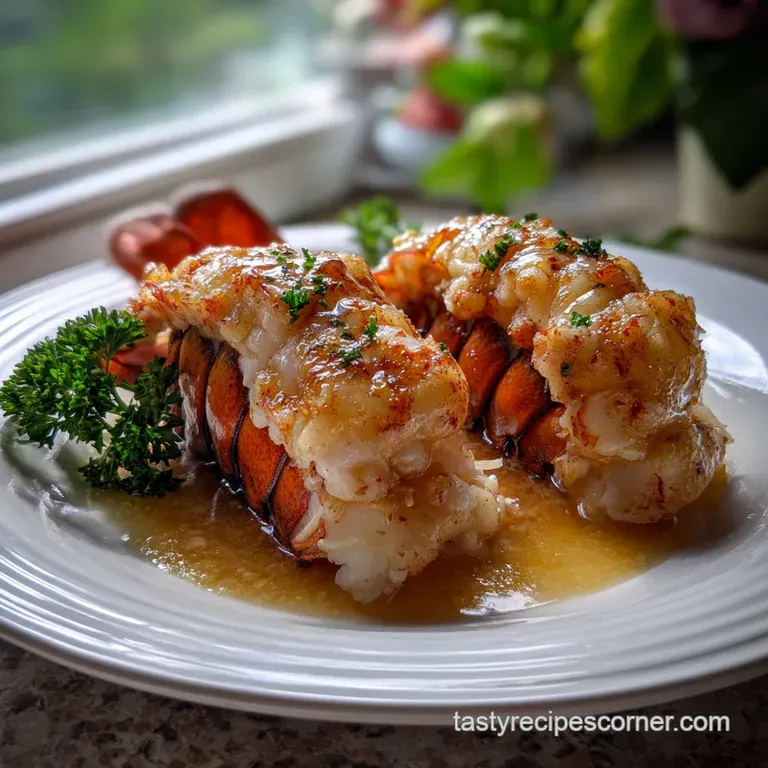
- Effort/Time: Minimal prep / 27 minutes total
- Flavor Hook: Smoked-paprika-infused garlic butter with a bright citrus finish
- Perfect for: Anniversary dinners, high-stakes-date-nights, or holiday splurges
- The Thermodynamics of Succulence: Why This Technique Wins
- Precision Performance Specs for Your Kitchen
- The Chemistry of Crustaceans: Selecting Your Elements
- Professional Grade Equipment for Seafood Mastery
- Architectural Execution: Mastering the Butterfly Technique
- Navigating the Pitfalls: Why Your Lobster Might Struggle
- ⚗️ The Scaling Lab: The Physics of Quantity
- Debunking Crustacean Myths
- Variation Architecture: Creative Flavor Profiles
- Preservation and the Zero-Waste Philosophy
- Curated Serving Suggestions
- Recipe FAQs
- 📝 Recipe Card
There is nothing worse than dropping sixty dollars on a pair of premium cold water tails only to pull a rubbery, shriveled mess out of the oven that tastes more like a pencil eraser than a luxury meal.
I have been there, staring at a plate of expensive "seafood jerky," feeling the sting of wasted money and the crushing disappointment of a ruined evening. Lobster is a high stakes protein where the line between a translucent, buttery masterpiece and a tough, overcooked failure is measured in mere seconds of thermal exposure.
I’ll be the first to admit that early in my cooking journey, I treated lobster like a chicken breast, blasting it with high heat until it "looked done." I destroyed three beautiful batches of Maine lobster before I realized that the physics of crustacean protein is entirely different from land based muscle.
The meat doesn't just "cook"; it undergoes a violent contraction if the heat isn't moderated, squeezing out every drop of moisture until the fibers become dense and stringy.
The scientific revelation for this MeltinYourMouth Baked Lobster Tails A Recipe came when I stopped viewing the oven as a roasting chamber and started seeing it as a precision thermal bath.
By using the shell as a structural insulator and an emulsion of Unsalted Butter as a moisture barrier, we achieve a result that mimics sous vide tenderness without the plastic bags.
The outcome is a meat that is shimmering, pearly white, and so tender it practically dissolves against the roof of your mouth the ultimate sensory payoff for any seafood lover.
The Thermodynamics of Succulence: Why This Technique Wins
- Thermal Insulation Strategy: The chitinous shell acts as a heat shield, slowing the rate of protein denaturation in the delicate tail meat.
- Emulsion Barrier Protection: A thick coating of melted butter creates a hydrophobic seal, preventing the evaporation of internal moisture during the bake.
- Myosin Denaturation Control: Keeping the internal temperature below 140°F (60°C) ensures the protein fibers remain relaxed and velvety rather than tightly coiled and tough.
- Aromatic Vapor Infusion: As the garlic and parsley heat within the butter, they release volatile oils that are trapped against the meat by the "butter poaching" environment.
Precision Performance Specs for Your Kitchen
When executing this MeltinYourMouth Baked Lobster Tails A Recipe, accuracy is your only insurance policy against a rubbery dinner. This recipe yields 2 servings, perfectly portioned for an intimate meal where quality outweighs quantity.
You are looking at a prep time of 15 minutes mostly dedicated to the precision butterfly technique and a cook time of approximately 12 minutes.
Your total investment of 27 minutes results in a nutrient dense, high protein powerhouse. Each serving of this MeltinYourMouth Baked Lobster Tails A Recipe delivers exactly 548 kcal, with a robust 29.4g of protein and 47.2g of healthy fats derived primarily from the butter emulsion.
With only 1.8g of carbohydrates, it is an ideal candidate for those seeking a luxurious, low-glycemic experience.
The Chemistry of Crustaceans: Selecting Your Elements
| Ingredient | Chemical/Physical Role (Science) | The Pro Secret (Why This Matters) |
|---|---|---|
| Cold water Lobster Tails | Myosin rich muscle with high water content | Cold water varieties grow slower, creating a finer, more tender cell structure. |
| Unsalted Butter | Lipid based moisture barrier and flavor carrier | Using unsalted allows precision control over the osmotic pressure of the seasoning. |
| Fresh Lemon Juice | Citric acid denaturant and pH balancer | Acid cuts through heavy lipids and brightens the oceanic "umami" notes. |
| Smoked Paprika | Oil-soluble aromatic compound | The smoke phenols provide a "grilled" depth without the risk of over high heat charring. |
Essential Elements for This Recipe
- 4 cold water lobster tails (5 6 oz / 140 170g each): Why this? Cold water tails have firmer, sweeter meat due to slower growth cycles.
- 1 tsp (6g) Diamond Crystal Sea salt: Why this? Large flakes provide a clean salt burst without over extracting moisture.
- 1/2 tsp (1g) Freshly cracked black pepper: Use a coarse grind for textural contrast.
- 1/2 cup (113g) Kerrygold Unsalted butter, melted: Why this? High butterfat content ensures a richer emulsion for poaching.
- 3 cloves Garlic, finely minced: Use a microplane for maximum surface area and flavor release.
- 1 tbsp (4g) Fresh parsley, finely chopped: Provides a necessary chlorophyll driven aromatic lift.
- 1/2 tsp (1g) Smoked paprika: Adds a mahogany hue and earthy undertones.
- 1 tbsp (15ml) Fresh lemon juice: Essential for balancing the 47.2g of fat per serving.
Professional Grade Equipment for Seafood Mastery
To achieve the results promised in this MeltinYourMouth Baked Lobster Tails A Recipe, your tools must be as sharp as your technique. I highly recommend using a pair of Wüsthof Come Apart Kitchen Shears for the butterfly process.
Standard scissors often crush the delicate shell, whereas high carbon steel shears slice through the chitin cleanly, preventing shell fragments from embedding in the meat.
For the baking vessel, a Lodge Cast Iron Skillet or a heavy duty Le Creuset Stoneware Dish is superior to thin aluminum sheets. The thermal mass of these materials ensures a steady, radiant heat that won't fluctuate when you open the oven door. Finally, a Thermoworks Thermapen is non-negotiable; guessing the doneness of lobster is the fastest way to ruin your investment. This dish pairs beautifully with a side of Shrimp Cream Pasta Recipe if you are looking to create a full seafood feast.
Architectural Execution: Mastering the Butterfly Technique
Phase 1: The Structural Butterfly
- Dry the lobster shells thoroughly with a paper towel to ensure a firm grip.
- Cut down the center of the top shell using kitchen shears, stopping just before the tail fin.
- Pry the shell open gently with your thumbs, being careful not to crack the bottom shell.
- Lift the meat upward, separating it from the bottom shell while keeping it attached at the base.
- Close the shell halves together so the meat rests elegantly on top of the "ribs."
Phase 2: The Flavor Infusion & Bake
- Whisk the melted Kerrygold butter, minced garlic, lemon juice, parsley, and smoked paprika in a small bowl until fully emulsified.
- Place the prepared tails into your Lodge skillet, ensuring they aren't crowded.
- Brush the garlic butter mixture generously over every crevice of the exposed meat.
- Season with Diamond Crystal Sea salt and cracked pepper until the crystals shimmer against the butter.
- Bake at 425°F (218°C) for 12 minutes until the meat turns an opaque pearly white and the internal temperature hits 140°F.
- Rest the tails for 2 minutes until the juices settle and the "sizzle" from the butter subsides.
Navigating the Pitfalls: Why Your Lobster Might Struggle
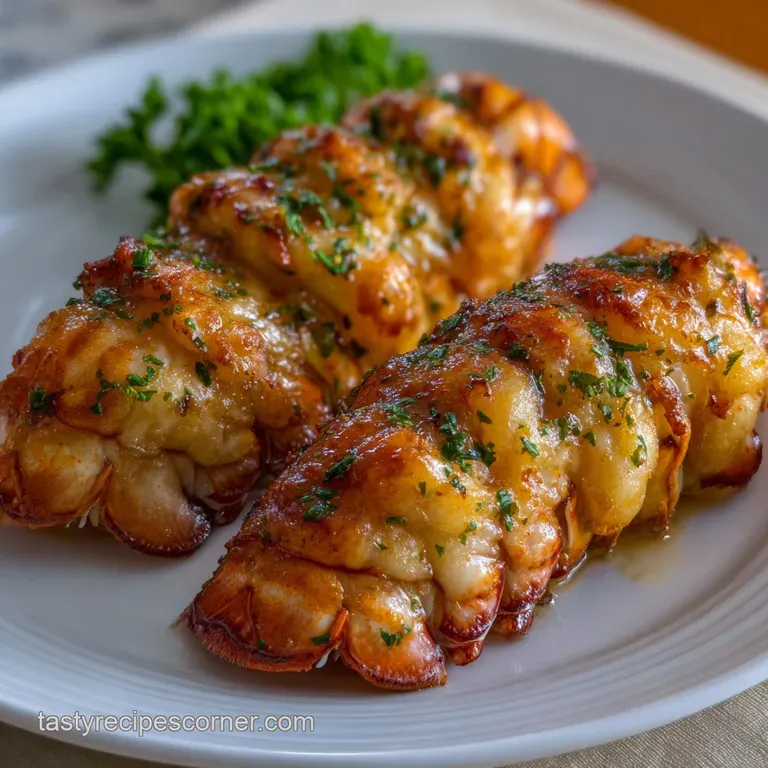
Understanding the "why" behind failures is the hallmark of a master cook. Most issues with this MeltinYourMouth Baked Lobster Tails A Recipe stem from thermal mismanagement or improper prep.
Why Your Lobster is Rubbery
When lobster meat is exposed to high heat for too long, the protein fibers undergo "over coagulation." This is the same process that turns a soft boiled egg into a rubber ball. The fibers contract so tightly that they expel all the intercellular water, leaving you with a tough, dry texture.
| Problem | Root Cause | The Fix | Pro Protocol |
|---|---|---|---|
| Tough/Chewy Meat | Internal temp exceeded 145°F | Pull at 138 140°F | Use an instant read thermometer every time. |
| Meat Sticks to Shell | Membrane not fully detached | Slide finger between meat/shell before lifting | Use a spoon to gently "scoop" the meat free. |
| Bland Flavor | Butter didn't emulsify | Whisk butter/lemon vigorously | Add a pinch of mustard powder to stabilize the emulsion. |
⚗️ The Scaling Lab: The Physics of Quantity
When you decide to double this MeltinYourMouth Baked Lobster Tails A Recipe for a dinner party, you cannot simply double everything and hope for the best. Physics dictates that as you increase the mass of cold lobster in your pan, you change the thermal recovery time of your oven.
- The Pan Crowding Rule: If you move from 4 tails to 8, do not cram them into one skillet. This drops the ambient temperature around the meat, causing them to steam in their own juices rather than "poach" in the butter. Use two separate pans or bake in batches.
- Flavor Saturation (1.5x Rule): For the garlic, salt, and paprika, scale to 1.5x rather than 2x. Intense aromatics accumulate non-linearly; four cloves of garlic in a doubled batch often provide more "punch" than eight cloves due to the way they distribute in the larger volume of butter.
- Thermal Mass Recovery: A tray of 8 cold lobster tails will suck the heat out of your oven faster than 4. Pre-heat your oven for an extra 15 minutes to ensure the stone or steel walls have enough stored energy to bounce back quickly.
- Carry Over Cooking: Larger tails (8oz+) have more thermal mass and will continue to cook for longer once removed. Pull larger tails 5 degrees earlier (135°F) than the 5 6oz tails specified in this recipe.
Debunking Crustacean Myths
Myth: "Boiling is the only way to keep lobster moist." Truth: Boiling actually leaches flavor into the water. Baking with a butter shield (as in this MeltinYourMouth Baked Lobster Tails A Recipe) concentrates the natural sugars and salts within the meat.
Myth: "Fresh lobster is always better than frozen." Truth: Unless you live on the coast, "fresh" lobster in a tank is often stressed and starving, which degrades meat quality. high-quality tails flash frozen at the source are often superior in texture. If you're looking for other high-quality protein ideas, consider my Beef Breakfast Sausage recipe for a savory morning start.
Variation Architecture: Creative Flavor Profiles
While the base MeltinYourMouth Baked Lobster Tails A Recipe is a classic, you can adjust the flavor profile using these scientific swaps.
| Original Ingredient | Substitute | Why It Works |
|---|---|---|
| Unsalted Butter | Ghee (Clarified Butter) | Higher smoke point; adds a deeper, nutty "Maillard" toasted flavor. |
| Smoked Paprika | Old Bay Seasoning | Adds celery salt and mustard notes classic East Coast profile. |
| Lemon Juice | Lime & Cilantro | Shifts the profile toward a tropical, "Al Pastor" vibe. |
Diet Swap - Truffle Luxury
Replace 1 tablespoon of the melted butter with high-quality truffle oil. Note: Add this after baking, as the volatile aromatic compounds in truffle oil are heat sensitive and will dissipate in the oven.
Preservation and the Zero Waste Philosophy
Storage Protocol
Store any leftovers in an airtight glass container for up to 2 days. Lobster meat degrades rapidly once cooked; the fats in the butter will oxidize, and the protein will continue to firm up even in the fridge.
Reheating Without the Rubber
Never microwave lobster. To reheat, place the tails in a small dish with 2 tablespoons of water or extra butter, cover tightly with foil, and warm at 300°F (150°C) for 10 minutes.
This creates a mini steam chamber that gently relaxes the proteins without re-cooking them.
💡 ZERO WASTE: The Shell Goldmine
Don't discard the shells! Transform: Simmer the empty shells in 2 cups of water with a splash of white wine for 30 minutes. Science: The shells are packed with chitin and residual proteins that create a rich, umami heavy "Lobster Base" perfect for risottos or a Shrimp Cream Pasta Recipe.
Curated Serving Suggestions
This MeltinYourMouth Baked Lobster Tails A Recipe is a showstopper, but it needs the right supporting cast to shine. I suggest serving it alongside a bright, acidic salad or roasted asparagus to cut through the 47.2g of fat. If you are feeling particularly adventurous, a "Surf and Turf" breakfast is possible by pairing a single tail with my Beef Sausage Recipe.
For the ultimate steakhouse experience at home, serve the tails with a side of garlic mashed potatoes and a chilled glass of buttery Chardonnay. The malolactic fermentation in the wine mirrors the diacetyl (buttery) notes in the lobster, creating a perfect molecular bridge between your glass and your plate.
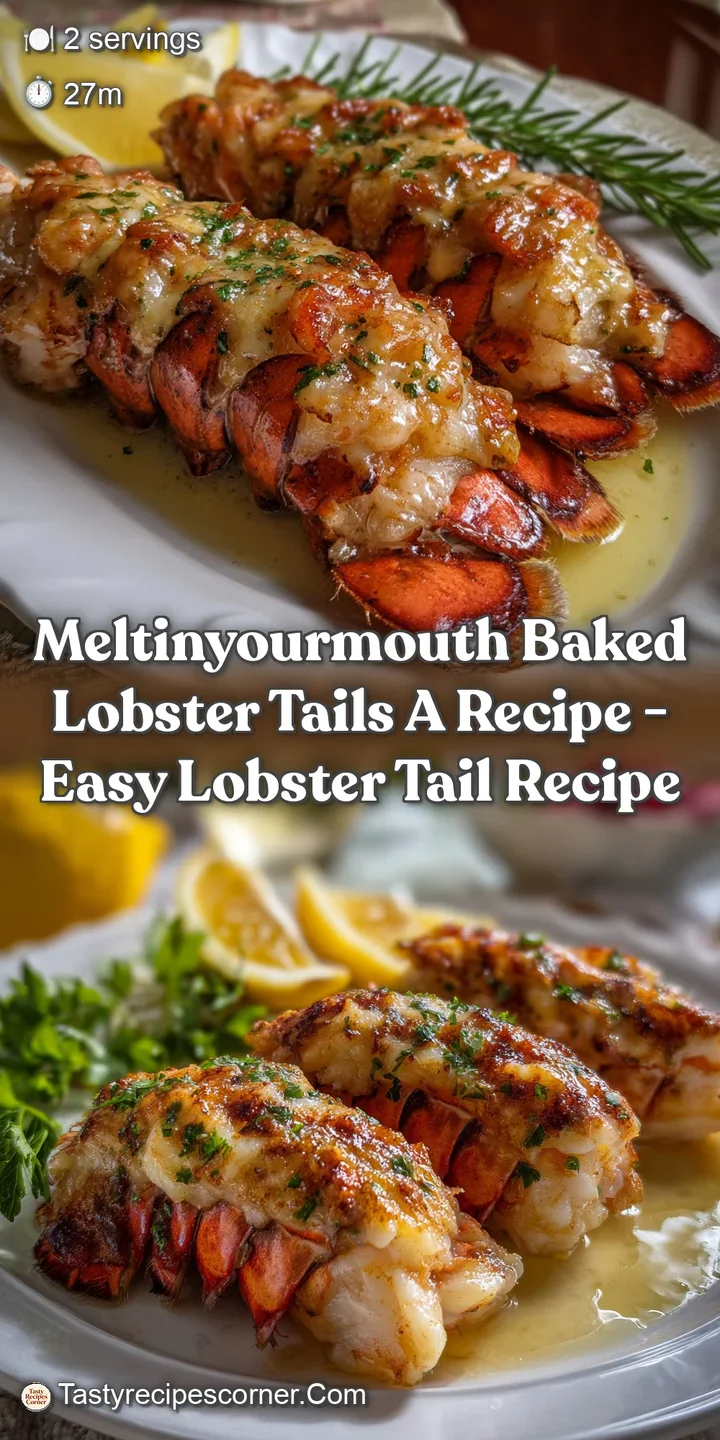
Trust me, once you see that first flake of pearly meat pull away from the shell, shimmering in that garlic herb emulsion, you'll never go back to boiling your seafood again. Let's crack on!
Recipe FAQs
What is the ideal internal temperature for baked lobster tails?
Pull the tails at 140°F (60°C) immediately. Protein coagulation hardens drastically above 145°F, squeezing out moisture and causing toughness. Overcooking leads to myosin fiber tightening, resulting in a dry, rubbery texture.
Can I substitute salted butter for unsalted butter?
Why is my lobster meat sticking stubbornly to the shell?
- Use a thin spoon to gently lift meat
- Ensure the shell is dry for better control
- Score the membrane lightly before buttering
Is it better to use an aluminum baking sheet or stoneware?
Myth: Freezing ruins the delicate texture of lobster meat.
What is the purpose of opening the shell (the butterfly)?
How should I reheat leftover baked lobster tails?
Baked Lobster Tails Recipe
Ingredients:
Instructions:
Nutrition Facts:
| Calories | 548 kcal |
|---|---|
| Protein | 29.4 g |
| Fat | 47.2 g |
| Carbs | 1.8 g |
| Fiber | 0.2 g |
| Sugar | 0.4 g |
| Sodium | 1315 mg |
