Simple Baked Honey Garlic Salmon
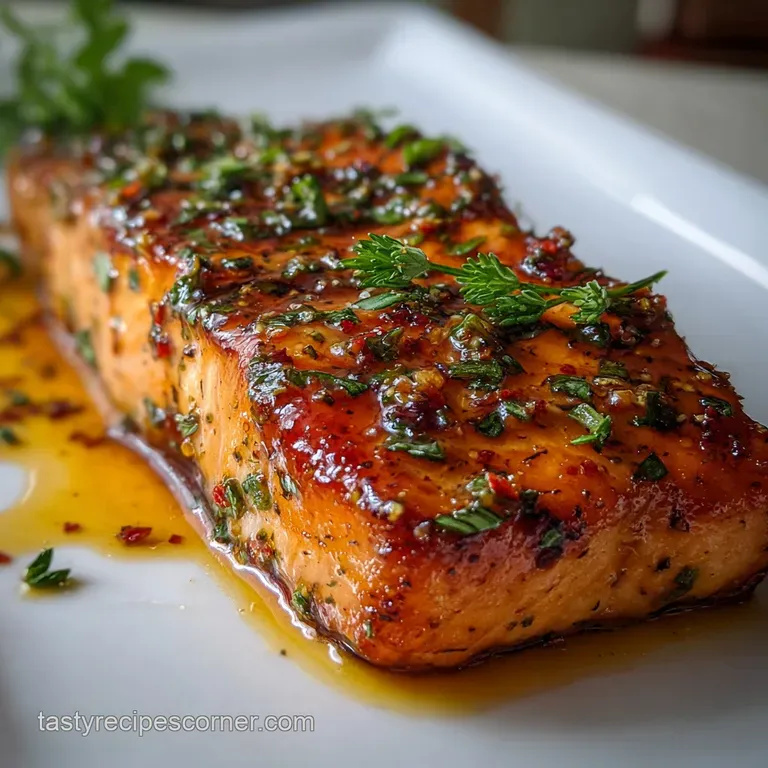
- Time: Active 10 mins, Passive 10 mins, Total 20 mins
- Flavor/Texture Hook: A shatter crisp exterior with a velvety, melt in-your mouth center
- Perfect for: Stress free weeknight dinners or a cozy family Sunday meal
- The Secret to Success for Simple Baked Honey Garlic Salmon
- Key Time and Temperature Specs for Success
- Pantry Essentials for a Soul Warming Glaze
- The Few Tools Needed for This Dish
- How to Achieve the Most Tender Fillets
- Fixing Common Salmon Cooking Glitches Fast
- Easy Ingredient Substitutions for Custom Flavors
- Smart Storage and Zero Waste Tips
- The Truth About Rinsing Fish and Other Myths
- Perfect Pairings for a Complete Family Meal
- Recipe FAQs
- 📝 Recipe Card
The Secret to Success for Simple Baked Honey Garlic Salmon
I remember one Tuesday evening in my Tennessee kitchen when the rain was just hammering against the window. I was exhausted, the kids were hungry, and I almost reached for the takeout menu. Instead, I grabbed a few fillets and whisked together this glaze.
The second that honey hit the hot pan—sizzle—the aroma of toasted garlic and sweet nectar filled the room, and I knew everything was going to be alright.
There is something truly soul warming about the way the soy sauce cuts through the honey's richness. It’s a dish of beautiful contrasts: the bright zing of lemon against the deep, earthy garlic.
You don't need fancy culinary school skills to pull this off; you just need to trust the process and let the oven do the heavy lifting. We've made this dozens of times, and it never fails to satisfy that craving for something both light and incredibly hearty.
You might be worried about the fish coming out dry or the garlic burning before the salmon is done. Trust me, I’ve been there and made those mistakes so you don't have to. We are going to walk through exactly how to get that glossy, mahogany finish every single time.
It’s all about the timing and the temperature, and once you nail it, this will become your go to "I'm too tired to cook but I want to eat well" recipe.
The Science of the Maillard Glaze
Caramelization Control: The honey provides simple sugars that undergo the Maillard reaction at high heat, creating a deeply flavored, dark crust. The soy sauce adds salt, which helps break down the protein fibers in the salmon for a more velvety texture.
| Method | Time | Texture Outcome | Best For |
|---|---|---|---|
| Stovetop | 8 mins | Maximum crisp skin, prone to burning glaze | Those who love a heavy char |
| Oven Bake | 10-12 mins | Evenly tender, gentle glaze reduction | Consistency and ease of cleanup |
| Hybrid (Sear + Bake) | 10 mins | Shatter crisp top with a moist, silky center | The ultimate restaurant quality result |
Finding the right balance between the stovetop and the oven is key. While the oven provides gentle, ambient heat that cooks the middle of the fillet without drying it out, a quick initial sear or a final broil is what creates that signature sticky coating we all love.
Key Time and Temperature Specs for Success
When we talk about salmon, precision is your best friend. In my kitchen, I always keep a digital thermometer handy because even sixty seconds can be the difference between buttery flakes and a piece of wood. For this recipe, we are looking for three specific checkpoints to ensure your dinner is a triumph.
First, you want your oven preheated to exactly 400°F. This high heat is necessary to thicken the honey into a glaze quickly. Second, the internal temperature of the salmon should reach 145°F at its thickest part, though I often pull it at 140°F and let the carryover heat finish the job while it rests.
Finally,, aim for 6 ounce fillets; this size is the "sweet spot" for cooking through at the same rate the sauce reduces.
Component Deep Dive Analysis
| Ingredient | Science Role | Pro Secret |
|---|---|---|
| Honey | Humectant | Acts as a moisture trap, keeping the fish from drying out in high heat |
| Garlic | Aromatic Sulfur | Use freshly minced, not the jarred stuff, for a more pungent, soul warming bite |
| Lemon Juice | Acid Denaturant | The acid "tightens" the protein on the surface, helping the glaze stick better |
Freshness matters more than you think here. Since we only have a handful of ingredients, each one has to pull its weight. If you're looking for other ways to use these pantry staples, you might find our Greek Yogurt Recipes helpful for future meal planning.
Pantry Essentials for a Soul Warming Glaze
Gathering your ingredients beforehand makes the process feel like a breeze rather than a chore. Here is exactly what you’ll need from your cupboards and fridge to get this Simple Baked Honey Garlic Salmon on the table.
- 4 (6 oz) salmon fillets: Center cut, skin on. Why this? Skin on protects the delicate flesh from the pan's direct heat.
- Substitute: Steelhead trout or Arctic char (very similar fat content).
- 1/2 tsp kosher salt: For seasoning. Why this? Larger grains make it harder to over salt your dinner.
- Substitute: Sea salt (use a pinch less).
- 1/4 tsp cracked black pepper: For a bit of warmth. Why this? Freshly cracked provides more aromatic oils than pre ground.
- Substitute: White pepper for a milder, floral heat.
- 1 tbsp avocado oil: For searing. Why this? It has a high smoke point, so it won't burn at 400°F.
- Substitute: Grapeseed oil or canola oil.
- 1/3 cup honey: The base of our sticky glaze. Why this? Clover or wildflower honey works best for a neutral sweetness.
- Substitute: Maple syrup (adds a woodsy, autumnal note).
- 3 tbsp low sodium soy sauce: For that umami depth. Why this? Regular soy sauce can make the reduced glaze too salty.
- Substitute: Coconut aminos (for a soy free version).
- 1 tbsp fresh lemon juice: To cut the sugar. Why this? Brightens the heavy fats of the fish.
- Substitute: Rice vinegar or lime juice.
- 4 cloves garlic: Finely minced. Why this? Mincing releases the oils that flavor the entire sauce.
- Substitute: 1 tsp garlic powder (not as vibrant, but works in a pinch).
- 1/2 tsp red pepper flakes: For a tiny kick. Why this? Balances the sweetness of the honey.
- Substitute: A dash of Sriracha or omit for kids.
The Few Tools Needed for This Dish
You won’t need a kitchen full of gadgets for this. I’m a big fan of "less is more" when it comes to washing up. A heavy bottomed oven safe skillet, like a Lodge cast iron, is my favorite because it holds heat beautifully and goes straight from the stove to the oven.
If you don’t have an oven safe skillet, a regular frying pan and a rimmed baking sheet lined with foil will work just fine. You'll also need a small whisk and a bowl to combine your glaze ingredients.
Using a brush to coat the fish is helpful, but honestly, a spoon works just as well for drizzling that liquid gold over the fillets.
How to Achieve the Most Tender Fillets
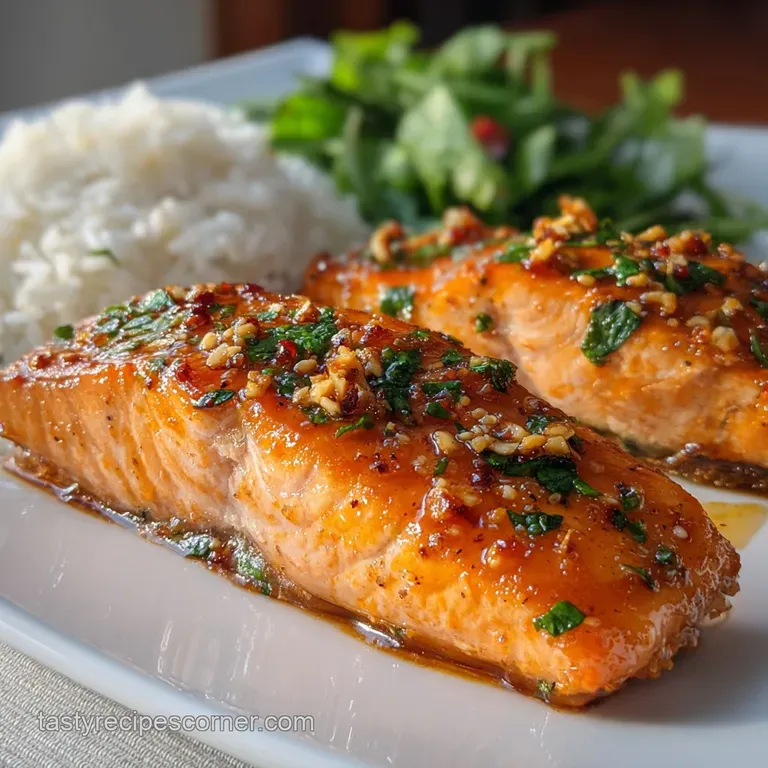
This process is fast, so have your sides ready before you start searing. The goal is to move with intention to keep the fish from overcooking.
- Prep the fish. Pat the 4 salmon fillets bone dry with paper towels. Note: Moisture is the enemy of a good sear.
- Season well. Sprinkle the kosher salt and black pepper evenly over both sides of the fillets.
- Whisk the glaze. In a small bowl, combine the honey, soy sauce, lemon juice, minced garlic, and red pepper flakes.
- Heat the pan. Add avocado oil to an oven safe skillet over medium high heat until the oil shimmers and barely wisps smoke.
- Sear the salmon. Place fillets skin side up in the pan and cook for 2-3 minutes until a golden brown crust forms.
- Flip carefully. Turn the fillets over so the skin is now touching the pan.
- Add the sauce. Pour the honey garlic mixture over the salmon and into the pan.
- Bake the fillets. Transfer the skillet to the preheated 400°F oven for 5-7 minutes until the fish flakes easily with a fork.
- Baste and rest. Spoon the thickened pan sauce over the salmon and let it rest for 3 minutes before serving.
The resting period is non negotiable! It allows the juices to redistribute so the fish stays silky rather than dry. If you're looking for a side that's just as easy, our Bake Potatoes and Chicken recipe uses similar sheet pan techniques that save time.
Fixing Common Salmon Cooking Glitches Fast
We’ve all had those moments where things don’t go quite as planned. Maybe you got distracted by a phone call and the sauce looks a little too dark, or the skin stuck to the pan. Don't panic! Most salmon mishaps are easily fixed with a little kitchen know how.
Why Your Salmon Is Leaking White Stuff
That white gunk is called albumin. It’s a protein that gets pushed out of the muscle fibers when the fish is cooked too fast or at too high a temperature. While it’s perfectly safe to eat, it can look a little unappealing.
To prevent it, try a lower oven temperature or pull the fish out just before it hits the 145°F mark.
Managing a Burnt Glaze
Honey has a high sugar content, which means it can go from caramelized to burnt in the blink of an eye. If you notice the sauce getting too dark in the oven, simply add a splash of water or broth to the pan to thin it out and stop the burning process.
| Problem | Root Cause | Solution |
|---|---|---|
| Soggy Skin | Trapped steam | Ensure the pan is screaming hot before adding the fish and don't cover it. |
| Bland Flavor | Under seasoning | Salt the fish before glazing; the glaze sits on top, but salt penetrates the meat. |
| Tough Texture | Overcooking | Use a meat thermometer and pull at 140°F for a buttery finish. |
Common Mistakes Checklist
- ✓ Pat the salmon completely dry; any water on the surface will steam the fish instead of searing it.
- ✓ Don't overcrowd the skillet; leave space between fillets so the heat can circulate.
- ✓ Avoid moving the fish too soon; let it develop a crust before trying to flip it.
- ✓ Use low sodium soy sauce; as the sauce reduces in the oven, the salt concentration triples.
- ✓ Let the garlic sit in the honey for 5 minutes before cooking; this "mellows" the raw bite.
Easy Ingredient Substitutions for Custom Flavors
One of the reasons I love this Simple Baked Honey Garlic Salmon is how adaptable it is. Depending on what I have in my Tennessee pantry, I might swap things around to keep it fresh for the family.
If you want a more citrus forward dish, try replacing the lemon juice with orange juice and adding a bit of zest. For a gluten-free version, tamari or coconut aminos are excellent replacements for soy sauce. Just be aware that coconut aminos are a bit sweeter, so you might want to reduce the honey by a tablespoon.
| Original Ingredient | Substitute | Why It Works |
|---|---|---|
| Honey (1/3 cup) | Maple Syrup (1/3 cup) | Similar viscosity but adds a smoky, complex sweetness. |
| Avocado Oil (1 tbsp) | Ghee (1 tbsp) | High smoke point with a rich, buttery flavor that complements fish. |
| Soy Sauce (3 tbsp) | Tamari (3 tbsp) | Provides the same salty umami while being naturally gluten-free. |
If you're in the mood for a different protein entirely but love the garlic vibes, check out this Creamy Garlic Chicken recipe for another soul warming winner.
- If you want a crispier top
- Switch the oven to "Broil" for the last 60 seconds of cooking.
- If you want it spicy
- Double the red pepper flakes or add a teaspoon of chili garlic paste to the glaze.
- If you want a thicker sauce
- Whisk 1/2 tsp of cornstarch into the cold soy sauce before mixing the glaze.
Smart Storage and Zero Waste Tips
Salmon is best eaten fresh, but if you have leftovers, they make a fantastic lunch the next day. Keep your cooked salmon in an airtight container in the fridge for up to 3 days. When reheating, go low and slow — 300°F in the oven for about 8 minutes to keep it from turning into rubber.
To avoid waste, don't throw away those salmon skins! If they aren't crispy enough for your liking after the initial cook, you can peel them off and fry them in a little oil until they shatter like chips.
Also, if you have leftover glaze in the pan, toss some steamed broccoli or green beans in it for an instant flavor boost. You can even freeze the raw salmon fillets for up to 3 months; just thaw them overnight in the fridge before you're ready to start this recipe.
The Truth About Rinsing Fish and Other Myths
There’s a long standing myth that you should rinse your fish under cold water before cooking. Please, for the love of your kitchen, don't do this! Rinsing salmon actually spreads bacteria around your sink and counters, and it adds unnecessary moisture to the surface of the fish, which prevents that beautiful sear we're looking for.
A simple pat down with a paper towel is all you need.
Another misconception is that salmon is "done" when it’s opaque all the way through. By the time it’s fully opaque, it’s usually overcooked and dry. You want the very center to still be slightly translucent when you take it out of the heat.
The carryover cooking will do the rest of the work as it rests on the counter.
Perfect Pairings for a Complete Family Meal
This salmon is the star of the show, but it loves a good supporting cast. I usually serve it over a bed of fluffy jasmine rice or quinoa to soak up every last drop of that honey garlic glaze.
If you're looking for something lighter, a crisp cucumber salad or some roasted asparagus with a squeeze of lemon works perfectly.
For a truly hearty meal, this pairs beautifully with our Orange Roughy Baked Recipe if you're hosting a larger group and want to offer a variety of seafood. The sweetness of the salmon contrasts nicely with the milder, flaky white fish. Whatever you choose, just make sure there’s plenty of sauce to go around it’s usually the first thing to disappear!

Recipe FAQs
When should I add the garlic to the honey glaze?
Mix the garlic in with the other glaze ingredients before heating. Letting the minced garlic sit in the honey mixture for about 5 minutes before cooking helps mellow the raw bite, ensuring the flavor infuses evenly during baking.
What internal temperature is ideal for perfectly flaky salmon?
Pull the salmon at 140°F. While the FDA recommends 145°F, allowing it to rest for 3 minutes after removing it from the oven will let carryover heat finish the cooking process to 145°F for a more tender result.
How do I keep the sticky honey glaze from burning in the oven?
Bake at 400°F and use a liquid buffer. The high sugar content of honey caramelizes quickly; if the sauce seems too dark during the last few minutes, add a tablespoon of water or broth to the pan to thin it slightly and stop the scorching.
Is it true that I must rinse salmon before seasoning it?
No, never rinse raw fish. Rinsing salmon spreads bacteria around your sink and adds surface moisture, which prevents the initial sear from developing a crust.
How can I substitute soy sauce if I need a gluten-free option?
Substitute with Tamari or Coconut Aminos. Tamari works perfectly as a 1:1 replacement for savory flavor, which is the same technique used to balance richness in our Garlic Parmesan Sauce Recipe: Silky and Savory in 10 Minutes.
What if my salmon skin sticks to the skillet?
Ensure the pan is extremely hot before adding the fish. The key to preventing sticking is a screaming hot, preheated skillet with oil that is shimmering before the skin makes contact.
What is the best way to reheat leftover honey garlic salmon?
Reheat slowly at 300°F in the oven. Place leftovers in an airtight dish and cover loosely, reheating for about 8 minutes to warm the fish through without allowing the residual sugars in the glaze to burn.
Baked Honey Garlic Salmon
Ingredients:
Instructions:
Nutrition Facts:
| Calories | 482 kcal |
|---|---|
| Protein | 35.1 g |
| Fat | 25.6 g |
| Carbs | 24.9 g |
| Fiber | 0.3 g |
| Sugar | 23.2 g |
| Sodium | 615 mg |
