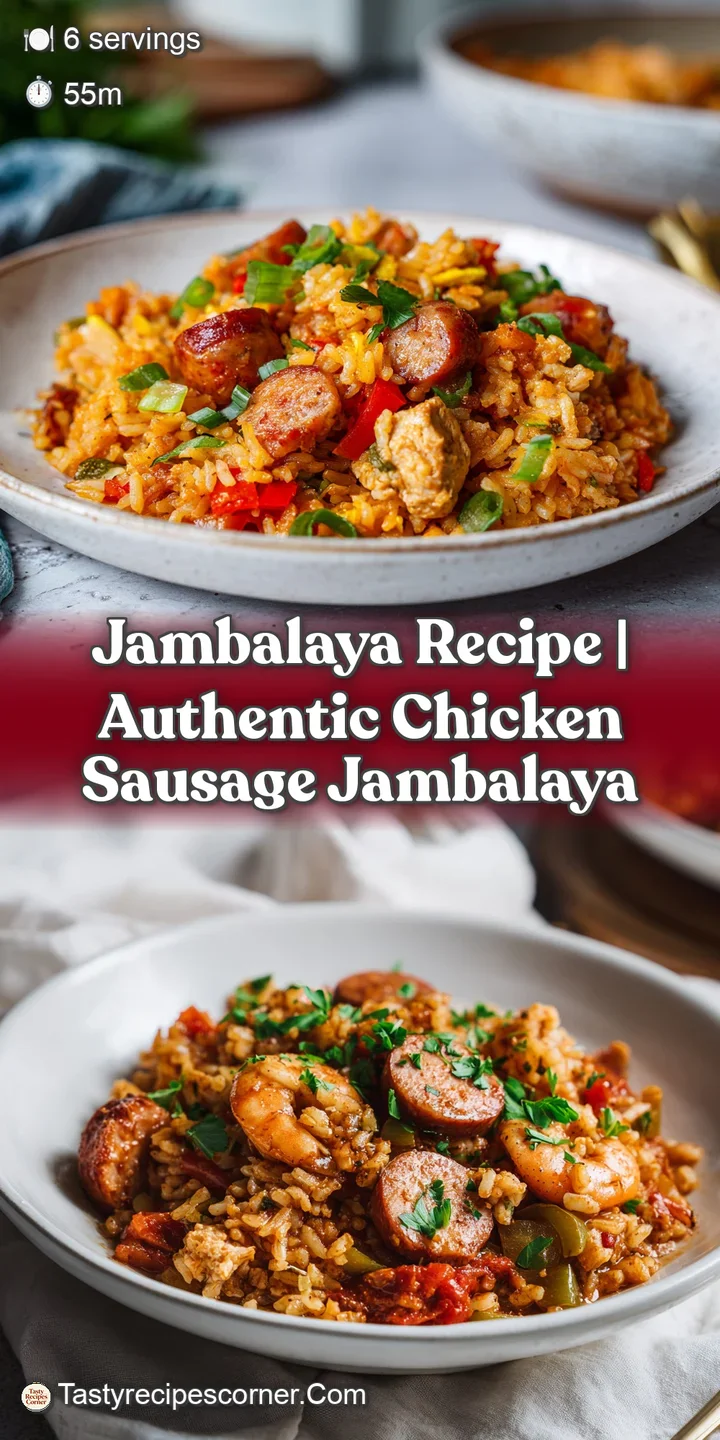
Jambalaya Recipe: Authentic Chicken and Sausage
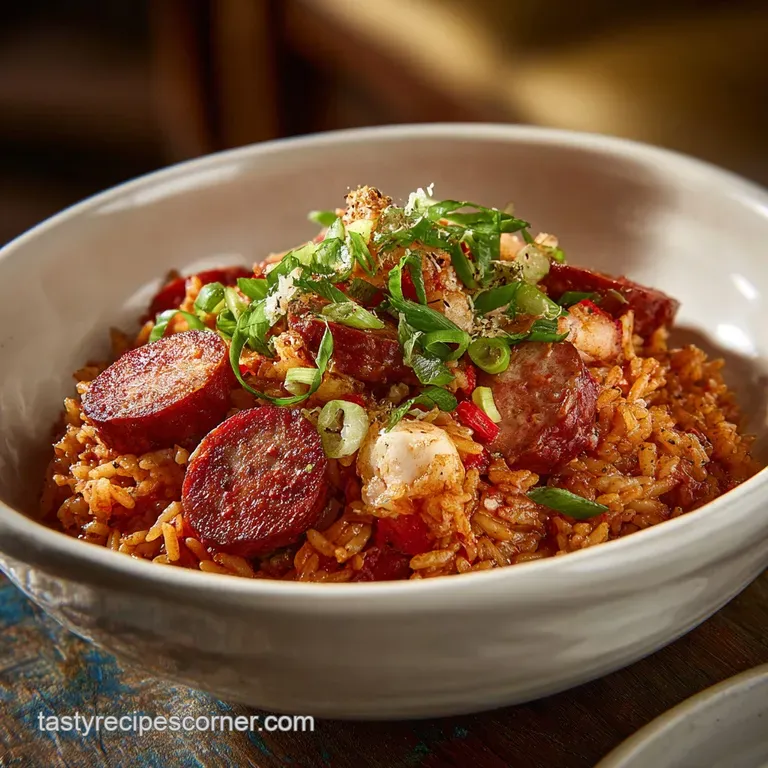
- Time: Active 20 minutes, Passive 35 minutes, Total 55 minutes
- Flavor/Texture Hook: Hearty, smoky, and slightly spicy with snappy shrimp
- Perfect for: Family Sunday dinners or meal prepping a big batch of comfort
- Creating the Ultimate Authentic Jumbalia Recipe
- Essential Recipe Specifications
- Why This Works
- Ingredients for a Hearty Feast
- Necessary Tools and Kitchen Gear
- Mastering the Stovetop Cooking Steps
- Fixing Texture and Flavor Issues
- Smart Substitutions and Flavor Variations
- Scaling for Large Groups
- Flavor Map for Your Pot
- Kitchen Myths and Realities
- Storage Methods and Reheating Tips
- Serving Ideas and Side Dishes
- CRITICAL Sodium Level
- Recipe FAQs
- 📝 Recipe Card
Creating the Ultimate Authentic Jumbalia Recipe
The second that sliced andouille hits the hot cast iron, my entire Tennessee kitchen fills with a scent that takes me straight to the heart of the bayou. It starts with that sharp, smoky sizzle, the fat rendering out into a shimmering orange pool that’s just begging to coat every single grain of rice.
You can hear the snap and pop of the sausage casings as they brown, promising a deep, savory foundation that no store-bought seasoning packet could ever replicate. It’s the kind of aroma that brings everyone into the kitchen before the plates are even out.
This isn’t just about throwing things into a pot; it’s about the layers. We are talking about the contrast between the crisp, seared edges of the chicken thighs and the velvety, tender "holy trinity" of onions, celery, and peppers.
When you finally lift the lid after the simmer, a cloud of steam carries the scent of thyme, garlic, and sea salty shrimp. It feels like a hug in a bowl, a stick to your ribs meal that’s both vibrant and incredibly grounding.
Getting this pot right means respecting the rice. We’ve all had that version that’s either a crunchy disappointment or a gummy mess, but we aren't doing that today. By following these steps, you’ll end up with a jumbalia recipe that features distinct, fluffy grains that have soaked up every drop of chicken stock and tomato juice.
It’s a labor of love that actually only takes about an hour, and trust me, the leftovers might even be better the next day when those spices have really had a chance to get to know each other.
Essential Recipe Specifications
When you are planning a big family meal, timing and portions are everything. This pot is designed to feed a hungry crowd of six, or provide plenty of leftovers for a busy work week. Below are the hard numbers you need to know before you start chopping your vegetables and searing your meats.
| Servings | Meat Adjustments | Pot Size | Total Cook Time |
|---|---|---|---|
| 2 People | 1/3 lb chicken, 4 oz sausage | 3 quart pot | 50 minutes |
| 4 People | 2/3 lb chicken, 8 oz sausage | 4 quart pot | 55 minutes |
| 6 People | 1 lb chicken, 12 oz sausage | 6 quart Dutch oven | 55 minutes |
| 12 People | 2 lbs chicken, 24 oz sausage | 10 quart stockpot | 1 hour 10 mins |
This specific jumbalia recipe thrives on the steady, even heat of a heavy bottomed vessel. If you are doubling the recipe for a party, remember that the rice will take a few extra minutes to absorb the larger volume of liquid, so keep your lid tight and resist the urge to peek.
For the best results, stick to the 6 serving ratio if it’s your first time. It provides the perfect balance of surface area for searing and depth for simmering. If you find yourself needing a side dish that matches this Southern vibe, a Slow Cooker Southern Classic of black eyed peas makes a fantastic companion on the table.
Why This Works
- Fat Emulsification: Searing the andouille first releases rendered pork fat, which acts as the primary flavor carrier for the vegetables and rice, ensuring every bite tastes like smoke and spice.
- Starch Toasting: Stirring the dry rice into the fat before adding liquid creates a protective coating around each grain, preventing them from bursting and turning the dish into a mushy porridge.
- Residual Steaming: Adding the shrimp at the very end and letting them sit off the heat uses gentle carryover cooking to keep them snappy and plump rather than rubbery and tough.
- Fond Utilization: Deglazing the pot with the "holy trinity" of vegetables picks up the caramelized bits of meat from the bottom, which is where the deep mahogany color and complex umami come from.
| Component | Science Role | Pro Secret |
|---|---|---|
| Long Grain Rice | Starch Structure | Rinse twice to remove excess surface starch for fluffier grains. |
| Crushed Tomatoes | Acidic Balance | The acid cuts through the heavy fats of the sausage and chicken. |
| Chicken Stock | Flavor Hydration | Use low sodium stock so you can control the salt level from the Cajun spice. |
| Andouille Sausage | Smoke Infusion | Look for double smoked varieties to get that authentic New Orleans depth. |
Every ingredient in this jumbalia recipe serves a purpose. The rice isn't just a filler; it’s the vessel for the stock. The tomatoes aren't just for color; they provide the bright finish that keeps the dish from feeling too heavy.
It's a careful dance of hydration and heat that results in a plate that feels much more complex than the sum of its parts.
Ingredients for a Hearty Feast
- 1 lb boneless skinless chicken thighs: Why this? Thighs stay juicy during the long simmer compared to breasts. (Substitute: Chicken breast, but reduce browning time to avoid dryness)
- 12 oz andouille sausage: Why this? Provides the essential smoky, spicy backbone of the entire dish. (Substitute: Kielbasa with an extra pinch of cayenne)
- 1 lb large shrimp: Why this? Adds a sweet, snappy contrast to the savory meats. (Substitute: Extra chicken or diced ham)
- 1 large yellow onion: Why this? Creates the base sweetness for the "holy trinity." (Substitute: White onion or shallots)
- 1 large green bell pepper: Why this? Adds a grassy, bright note traditional to Cajun cooking. (Substitute: Red bell pepper for a sweeter profile)
- 3 ribs celery: Why this? Provides texture and a subtle earthy aroma. (Substitute: Diced fennel for a unique twist)
- 4 cloves garlic: Why this? Essential for building aromatic depth. (Substitute: 1 tsp garlic powder in a pinch)
- 1 jalapeño: Why this? Adds a fresh, sharp heat that builds on the spices. (Substitute: 1/2 tsp red pepper flakes)
- 2 cups long grain white rice: Why this? Stays separate and fluffy during the simmering process. (Substitute: Jasmine rice, reduce stock by 1/4 cup)
- 3 cups low sodium chicken stock: Why this? Provides the liquid for the rice to absorb all that flavor. (Substitute: Vegetable broth or water with bouillon)
- 14.5 oz crushed tomatoes: Why this? Gives the "Creole" version its signature red color and tang. (Substitute: Diced tomatoes for more texture)
- 1 tbsp Worcestershire sauce: Why this? Adds a fermented, salty hit of umami. (Substitute: Soy sauce)
- 2 tbsp Cajun seasoning: Why this? The primary source of heat, salt, and herb flavor. (Substitute: Equal parts paprika, onion powder, and thyme)
- 1 tsp dried thyme: Why this? Complements the woodsy notes of the sausage. (Substitute: 1 tbsp fresh thyme)
- 2 whole bay leaves: Why this? Infuses a subtle floral note that bridges the spices. (Substitute: Omit if necessary)
Necessary Tools and Kitchen Gear
You don't need a professional kitchen to make a great jumbalia recipe, but a few specific tools make the process much smoother. The most important is your pot. I highly recommend a 5-6 quart Dutch oven, preferably cast iron with an enamel coating.
The thick walls hold heat steadily, which is vital when you’re trying to simmer rice without burning the bottom.
You’ll also want a sturdy wooden spoon. This is your best friend for scraping up the "fond" those little brown bits of flavor stuck to the bottom after searing the meat. A sharp chef's knife is a must too, because there is quite a bit of dicing involved for the onion, celery, and pepper.
If you have your prep work done before the heat goes on, the whole process feels much more relaxing.
Chef's Tip: If you don't have a Dutch oven, use the heaviest, deepest skillet you own with a very tight fitting lid. If the lid is loose, cover the top of the pot with a layer of foil before putting the lid on to trap all that precious steam.
Mastering the Stovetop Cooking Steps
- Heat a large 5-6 quart Dutch oven over medium high heat. Add the 12 oz sliced andouille sausage and 1 lb chicken thigh pieces, searing until the sausage renders its fat and the chicken is browned on all sides. Note: Don't worry about cooking the chicken through yet; we just want that golden crust.
- Remove the meat from the pot with a slotted spoon and set aside, leaving the rendered fat in the pan. Add the onion, 3 ribs of celery, and green bell pepper along with the 4 cloves of garlic and minced jalapeño. Sauté until the vegetables are softened and the onion is translucent, scraping the brown bits from the bottom.
- Add the 2 cups of long grain white rice to the pot and stir for 2-3 minutes to toast the grains, ensuring they are well coated in the flavored fats. Note: This prevents the rice from becoming gummy.
- Stir in the 14.5 oz crushed tomatoes, 3 cups chicken stock, 1 tbsp Worcestershire sauce, 2 tbsp Cajun seasoning, 1 tsp thyme, and 2 bay leaves. Return the chicken and sausage to the pot and stir to combine.
- Bring the mixture to a boil, then immediately reduce heat to low. Cover tightly and simmer for 20 minutes, or until the rice is tender and the liquid is absorbed.
- Gently fold in the raw shrimp, cover the pot again, and remove from heat entirely.
- Let the jambalaya sit for 5 minutes; the residual steam will perfectly cook the shrimp without making them rubbery.
- Remove the bay leaves and fluff the rice gently with a fork before serving.
Achieving Grains That Don't Clump
The secret is the "toast." When you stir that dry rice into the fat and vegetable mixture, you are essentially frying the outside of each grain. This creates a starch barrier. If you skip this, the rice starts releasing starch the moment it hits the stock, which leads to a sticky, thick texture.
We want a jumbalia recipe where the grains are distinct and "pop" in your mouth.
Keeping the Proteins Juicy
The two step process for the meat is non negotiable. Searing the chicken at high heat gives it flavor, but finishing it in the simmer keeps it tender. As for the shrimp, if you boil them for 20 minutes with the rice, they will shrink into tiny, tough rubber balls.
By letting them steam off the heat, they stay large, tender, and juicy.
Fixing Texture and Flavor Issues
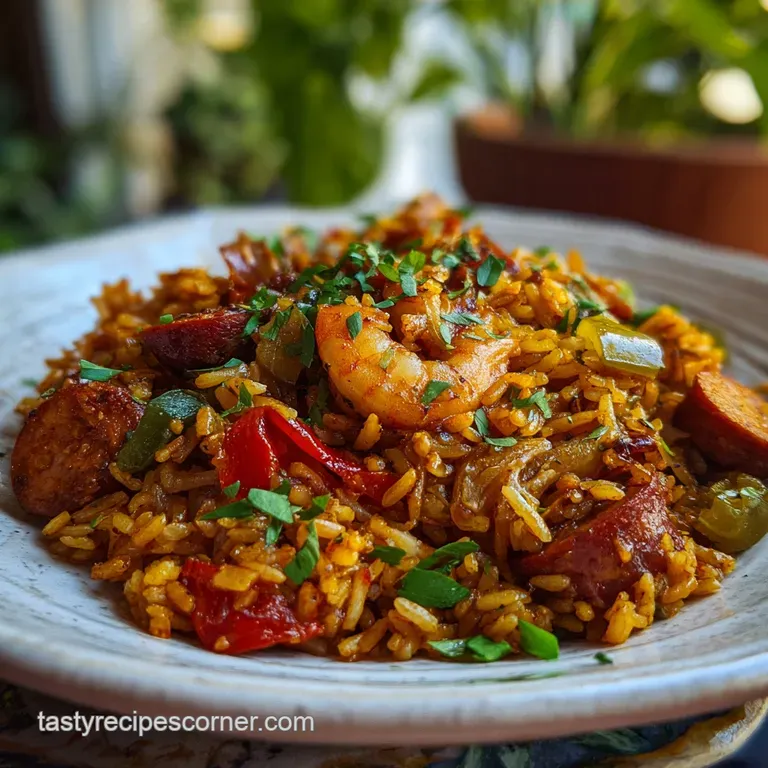
Sometimes things go sideways in the kitchen, especially with rice based dishes. If your rice is still crunchy after 20 minutes, don't panic. It usually means your lid wasn't tight enough and too much steam escaped.
Add a splash of stock (about 1/4 cup), put the lid back on, and give it another 5 minutes on the lowest possible heat.
Saving Gummy or Wet Rice
If you find that the rice is cooked but there is still a pool of liquid at the bottom, remove the lid and turn the heat up to medium for 2-3 minutes. This will evaporate the excess moisture quickly. Just be sure to stay there and watch it so you don't burn the bottom of the pot.
| Problem | Root Cause | Solution |
|---|---|---|
| Burnt Bottom | Heat was too high during the simmer phase. | Don't scrape the bottom; scoop the good rice from the top into a new bowl. |
| Bland Flavor | Not enough salt or Cajun seasoning to penetrate the rice. | Stir in an extra teaspoon of Cajun seasoning or a squeeze of lemon juice. |
| Mushy Rice | Too much liquid or the rice was over stirred during cooking. | Spread it on a baking sheet and pop it in a 350°F oven for 10 minutes to dry. |
Common Mistakes Checklist
- ✓ Pat chicken dry before searing to ensure a brown crust instead of gray, steamed meat.
- ✓ Preheat the pot for at least 3 minutes so the sausage fat renders immediately.
- ✓ Don't lift the lid during the 20 minute simmer; you need every bit of that steam to cook the rice.
- ✓ Check the expiration of your Cajun seasoning; old spices lose their punch and leave the dish tasting flat.
- ✓ Use long grain rice only; short grain or sushi rice has too much starch for this specific method.
Smart Substitutions and Flavor Variations
While this is a classic Creole jumbalia recipe (thanks to the tomatoes), you can easily pivot based on what you have in the pantry. If you want a "Cajun" or Brown Jambalaya, simply omit the crushed tomatoes and use an extra cup of chicken stock.
You'll need to brown your meats even more aggressively to get that deep brown color in the final rice.
If you are looking for something a bit different to serve alongside this, you could even pair it with a Flaky empanada dough stuffed with spicy beef for a fusion feast. The richness of the pastry actually plays quite well against the spiced rice.
| Original Ingredient | Substitute | Why It Works |
|---|---|---|
| Chicken Thighs | Smoked Ham (1 lb) | Adds a different type of saltiness and cuts down on prep time. |
| Andouille Sausage | Spicy Italian Sausage | Provides heat and fat, though the flavor profile shifts toward fennel and herbs. |
| Chicken Stock | Seafood Stock | Note: Enhances the shrimp flavor significantly but can be quite salty. |
Making a Lighter Version
If you want to cut down on the heaviness, you can use turkey sausage and increase the bell peppers and celery. You can also use cauliflower rice, but you must significantly reduce the liquid.
For cauliflower rice, use only 1/2 cup of stock and simmer for only 5-7 minutes, as it doesn't absorb liquid the same way traditional grains do.
Scaling for Large Groups
When you need to double this jumbalia recipe, the math isn't always one to one. For a double batch (12 servings), use a very large stockpot. You will want to brown the meat in two separate batches; if you crowd the pan, the meat will release juices and boil rather than sear, which kills the flavor of the fond.
For the liquid, I actually recommend reducing the stock by about 10% when doubling. Large pots trap steam more efficiently, and you don't want the bottom layer to turn to mush before the top layer is cooked.
If you are scaling down to 2-3 servings, use a smaller 3 quart pot and check the rice at 18 minutes, as smaller volumes can cook slightly faster.
Flavor Map for Your Pot
- Smoky: From the seared andouille and the Cajun spices.
- Savory: Built through the chicken thighs and the Worcestershire umami.
- Bright: Provided by the crushed tomatoes and fresh green peppers.
- Sharp: The garlic and jalapeño punch through the heavier starches.
Kitchen Myths and Realities
One common myth is that you must use a roux to make a good jumbalia recipe. While a roux is the soul of a gumbo, it has no place here. Jambalaya relies on the rice absorbing the flavored liquid to create its texture. Adding a roux would make the dish heavy and paste like rather than light and fluffy.
Another misconception is that the "holy trinity" must be cooked until it's browned. In reality, you want to sauté the onions, celery, and peppers just until they are soft and translucent. They will continue to cook and melt into the rice during the 20 minute simmer.
Over browning them at the start can actually lead to a bitter aftertaste in the finished dish.
Storage Methods and Reheating Tips
- Fridge: Store in an airtight container for up to 4 days. The flavors actually deepen overnight, making it a stellar lunch for the next day.
- Freezer: You can freeze this for up to 3 months. However, be aware that the shrimp may become a bit tougher upon reheating. For the best results, freeze the rice and meat base and add fresh shrimp when you reheat it.
- Zero Waste: Don't throw away those shrimp shells or celery tops! Toss them into a pot with some water and peppercorns to make a quick homemade stock for your next soup.
To reheat, avoid the microwave if possible, as it can make the rice rubbery. Instead, put a portion in a small skillet with a tablespoon of water or stock. Cover it and heat over medium low until it's steaming through. This restores the moisture to the grains and keeps the shrimp from overcooking.
Serving Ideas and Side Dishes
When I serve this jumbalia recipe in my Tennessee kitchen, I usually keep the sides simple because the pot is so heavy and satisfying on its own. A big hunk of honey slathered cornbread is a must for soaking up any leftover juices at the bottom of the bowl.
A simple green salad with a tart lemon vinaigrette is also a great way to cut through the richness of the sausage and chicken.
If you want to go full Southern celebration, serve it alongside some collard greens or even a cold glass of sweet tea. The contrast of the spicy, hot rice against a crisp, cold drink is exactly what a Saturday night needs.
Just don't forget the bottle of hot sauce on the table everyone has their own level of "kick" they like to add at the end!
CRITICAL Sodium Level
1180 mg 1180 mg of sodium per serving (51% 51% of daily value)
The American Heart Association recommends limiting sodium intake to no more than 2,300mg per day, aiming for an ideal limit of 1,500mg per day for most adults.
Tips to Reduce Sodium
-
Switch to Low-Sodium Broth-30%
Replace the 3 cups of regular chicken stock with low-sodium chicken stock. This is a major contributor to sodium.
-
Choose Low-Sodium Sausage-25%
Opt for low-sodium andouille sausage. Processed meats like sausage are often high in sodium.
-
Use Low-Sodium Canned Tomatoes-20%
Select low-sodium crushed tomatoes instead of regular canned tomatoes. Canned goods can be a hidden source of salt.
-
Reduce Worcestershire Sauce-20%
Use only 1/2 tablespoon of Worcestershire sauce or look for a low-sodium version. Traditional Worcestershire sauce contains a significant amount of sodium.
-
Boost Herbs and Spices
Focus on fresh and dried herbs like thyme and increase the use of other no-sodium spices to enhance flavor without adding salt. Consider adding paprika, cumin, or cayenne pepper.
-
Omit Added Salt-10%
The recipe doesn't explicitly call for added salt, but avoid adding any extra salt during cooking. Rely on the flavors from other ingredients and spices.
Recipe FAQs
What is typically in a jambalaya?
A hearty combination of proteins and the "Holy Trinity." This recipe features chicken thighs, andouille sausage, and shrimp, cooked with a base of onion, celery, green bell pepper, garlic, and jalapeño.
What are common mistakes when making jambalaya?
Lifting the lid during the simmer is the biggest error. You must keep the pot tightly covered for the full 20 minutes so the steam can properly cook the rice, as escaping steam leads to unevenly cooked grains.
What's the difference between gumbo and jambalaya recipe?
Jambalaya cooks the rice directly in the pot, while gumbo is served over rice. Jambalaya is a one-pot meal that absorbs all the liquid, whereas gumbo is a soup like stew that relies on a roux base.
Do you cook rice before putting it in jambalaya?
No, you toast the raw rice in the rendered fats. Adding raw long grain white rice directly to the pot allows it to soak up all the chicken stock, tomatoes, and seasoning flavors as it simmers.
Is it true you can use any rice for this recipe?
No, this is a common misconception. You must use long grain white rice because short grain or sushi rice contains too much starch, which will turn your dish mushy instead of fluffy.
How to ensure the chicken develops a deep, savory crust?
Pat the chicken dry with paper towels before searing. Removing surface moisture prevents the meat from steaming and allows it to brown effectively in the rendered sausage fat.
How to achieve the perfect shrimp texture without overcooking?
Fold the raw shrimp in after removing the pot from the heat. Using the residual steam to cook the seafood ensures it stays tender; if you enjoyed mastering this gentle heat technique, you can apply similar logic to our juicy beef sausage for consistent results.
Authentic Chicken Sausage Jambalaya
Ingredients:
Instructions:
Nutrition Facts:
| Calories | 602 kcal |
|---|---|
| Protein | 43 g |
| Fat | 21 g |
| Carbs | 58 g |
| Fiber | 4 g |
| Sugar | 5 g |
| Sodium | 1180 mg |
